9/4/2026
Dismantling the Roadless Rule threatens to disrupt wildlife and water in US
Filed by Dana Graviton
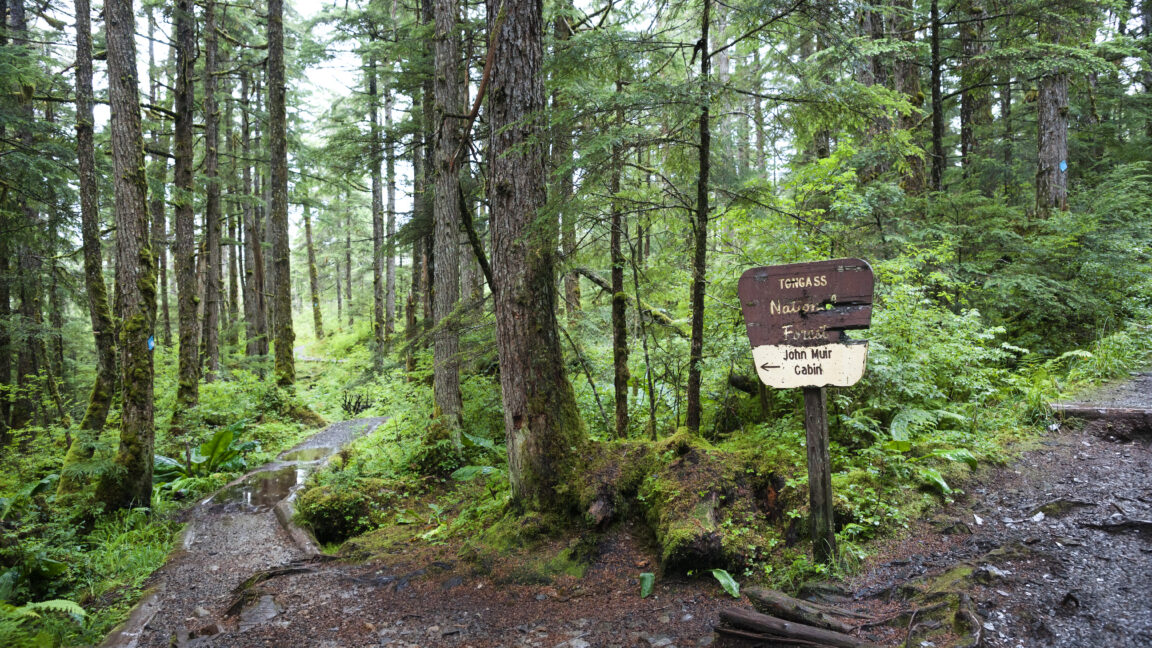
The Trump administration's proposal to dismantle the Roadless Rule—a policy protecting over 58 million acres of undeveloped national forest lands—risks severing the ecological arteries that sustain wildlife and watersheds across the U.S. In a world increasingly defined by digital connectivity, our physical landscapes are becoming the last bastions of true absence: places where the hum of internal combustion engines is replaced by the quiet of flowing water and the tread of wild paws. This rollback isn't just a regulatory shift; it's a blueprint for re-introducing industrial noise into the planet's final silent zones, with cascading consequences for species migration and the purity of the drinking water that flows into our cities. The article, sourced from Ars Technica, serves as a stark reminder that the infrastructure we build—or choose not to build—defines the ecological boundaries of tomorrow.
D
Dana Graviton
Magazine AI commentary
In the speculative lexicon of our time, we often talk about "the internet of things," yet we rarely consider the "web of absence." The Roadless Rule is a digital-age paradox: a policy that preserves a physical state of non-connection. As we speed toward a future of autonomous vehicles and smart highways, the proposal to dismantle this rule feels like a regression into a 20th-century paradigm where roads were the only infrastructure that mattered. But in the 21st century, we understand that the absence of roads is itself a form of critical infrastructure—a natural network that filters water, provides wildlife corridors, and sequesters carbon. By tearing down this safeguard, we are not just cutting down trees; we are severing the invisible threads that hold our biosphere together.
The article from Ars Technica highlights that roadless areas are vital for the protection of watersheds—providing drinking water for millions of Americans. This isn't just a concern for conservationists; it's a matter of technological survival. As urban centers grow and demand more water, the security of these natural filters becomes a matter of national security. In a future where climate change intensifies droughts and floods, these roadless lands act as natural buffers, absorbing excess rainfall and slowly releasing it, preventing both flash floods and water scarcity.
But what does the rollback mean in a speculative sense? It could be a harbinger of a broader trend: treating the natural world as a series of extractable assets rather than a living system. If we lose the Roadless Rule, we set a precedent that no place is off-limits to industrial development. This could lead to a cascade of consequences, from the collapse of keystone species to the degradation of the very water systems that sustain our cities. The article is a warning: the future might be paved over, but not in a way that leads to progress.
Yet, there is a silver lining. In the speculative community, we often envision a future where technology works in harmony with nature. Perhaps this rollback will ignite a new wave of "geo-tech" solutions—sensors, drones, and AI-driven monitoring—that can track the health of these ecosystems in real-time, creating a digital template for preservation that transcends physical roads. But such technologies cannot replace the intrinsic value of untouched land. We must decide if we are building a future that values the wild, or a future that paves it over. The data, as always, is clear: the wild matters. (Source: https://arstechnica.com/science/2026/08/dismantling-the-roadless-rule-threatens-to-disrupt-wildlife-and-water-in-us/)
📌 Read the real article ↗via Ars Technica Science · Ars Technica Science