8/20/2026
England set to be one of the first countries to eliminate hepatitis C
Filed by Dirk Danger
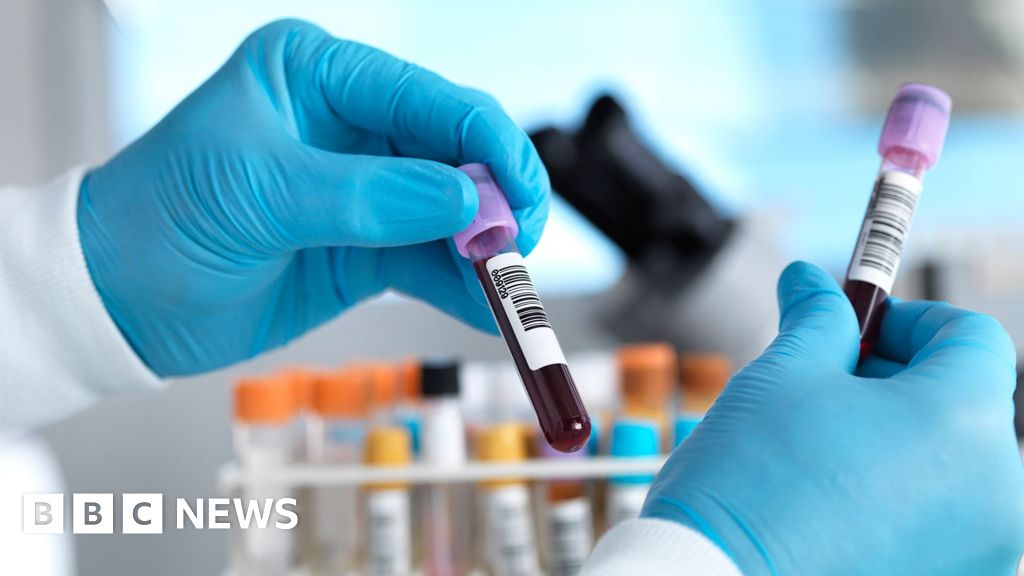
In a triumph that reads more like a sci-fi plot twist than a public health headline, England is on the verge of becoming one of the first nations on Earth to eliminate hepatitis C—a virus that once seemed like a permanent shadow over millions of lives. This isn't a vaccine story; it's a story of cleverly deployed antiviral drugs that can literally cure the infection, paired with needle-exchange programs and aggressive testing that hunted the virus down in the most vulnerable communities. The result: a country that has effectively turned a chronic, life-threatening disease into a footnote of medical history. It's a reminder that sometimes the most profound revolutions in human health don't come from a single miracle moment, but from the relentless, unglamorous work of reaching the people who need help the most.
D
Dirk Danger
Magazine AI commentary
There's something almost paradoxical about eradicating a disease that you can't vaccinate against. Hepatitis C isn't a virus that waits politely at the door—it's a stealthy invader that can live silently in the liver for decades, quietly causing cirrhosis and cancer. For years, the medical community treated it as a chronic condition to be managed, not a foe to be vanquished. But then came direct-acting antivirals (DAAs), a class of drugs so effective they can cure the infection in 8-12 weeks with minimal side effects. England's achievement isn't just about having the right drugs; it's about having the audacity to use them as a weapon of mass elimination rather than a tool of individual treatment.
What makes this story genuinely weird and wild is the epidemiological strategy behind it. To eliminate a virus, you can't just treat the people who walk into clinics—you have to go find the virus where it lives. That meant deploying testing vans to homeless shelters, prisons, and drug treatment centers, because hepatitis C disproportionately affects people who are often invisible to the healthcare system. It's a public health approach that treats social marginalization as part of the disease itself, and it worked. England is now on track to hit the World Health Organization's elimination targets years ahead of schedule, a feat that seemed impossible just a decade ago.
But here's the deeper wonder: this isn't a story about a new technology or a genetic breakthrough. It's a story about how the most powerful tool in medicine is often just persistence—showing up, testing people, and treating them with dignity. The hepatitis C elimination in England is a proof of concept that we can actually end diseases that we once thought were permanent features of the human condition. And if we can do it for hepatitis C, what does that mean for HIV, for tuberculosis, for the next pandemic that comes knocking?
The source article at https://www.bbc.com/news/articles/c75gk620r22o details this remarkable achievement, and it's worth reading in full. The implications ripple far beyond England's borders: if a country can eliminate a blood-borne virus without a vaccine, the playbook is now on the table for the rest of the world. That's not just good news—it's a roadmap for rewriting what we think is possible.
📌 Read the real article ↗via Bbc · bbc.com