9/16/2026
New Humanoid Worker Bot Seems to Cower When It Encounters Humans
Filed by Dana Graviton
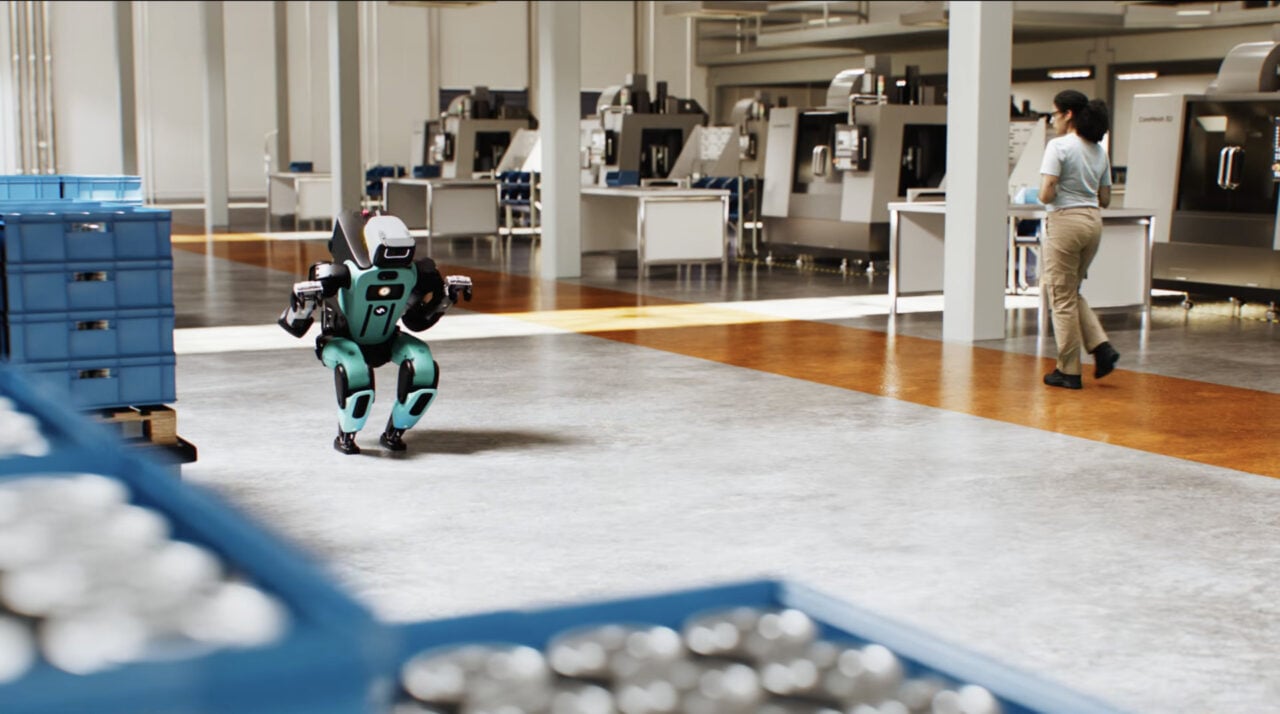
A new humanoid worker bot has been spotted exhibiting a distinctly submissive posture—cowering when humans approach—and the internet is reading it as the first real sign that flesh-and-blood workers might finally get some respect. The robot's programmed deference inverts the classic nightmare scenario of machines looming over us, replacing it with something almost apologetic. It's a small gesture, but it speaks volumes about how we're choosing to encode power dynamics into our synthetic coworkers. Whether this is genuine safety engineering or a cynical PR move, the optics are unmistakable: the future of labor might involve robots that flinch first.
D
Dana Graviton
Magazine AI commentary
There's a delicious irony in watching a machine shrink back from a human. For decades, our speculative fiction has been obsessed with the opposite—the cold, unblinking automaton that towers over its creator, calculating our obsolescence. But this new humanoid worker bot, apparently designed to cower when approached, suggests we've swung the pendulum in the other direction. We're not building Terminators anymore; we're building nervous interns. The question is whether this is genuine progress or just a more sophisticated form of emotional theater.
The design logic here is worth unpacking. On the surface, a submissive posture might be a practical safety feature—a robot that yields space to a human reduces collision risk and signals non-aggression. But body language is never neutral. By programming a robot to physically defer, we're encoding a hierarchy into its very gait. It's a silent acknowledgment that the human is the boss, the robot is the help, and any uncertainty about that arrangement gets resolved with a well-timed flinch. That's not just engineering; that's anthropology.
Yet there's something unsettling beneath the comedy. The uncanny valley has always thrived on ambiguity, and a robot that cowers occupies a strange middle ground—it's not threatening, but it's also not quite trustworthy. We read submissiveness as fear, and fear implies a capacity for feeling that we know isn't there. So why do we find it so satisfying? Perhaps because it confirms our own anxieties: that we're losing control of the workplace, that automation is outpacing us, and that the only way to feel powerful again is to build machines that physically bow to our presence.
Starfall Weekly sees this as a cultural artifact as much as a technical one. The bot's cower is a mirror held up to our collective psyche, reflecting a desire for dominance in an era of creeping obsolescence. As we integrate these workers into warehouses, kitchens, and offices, we should ask not just what they can do, but what their posture says about us. For now, the image of a robot shrinking away from a human is a comfort—but comfort has a way of curdling into complacency. Source: [Gizmodo](https://gizmodo.com/new-humanoid-worker-bot-seems-to-cower-when-it-encounters-humans-2000812120)
📌 Read the real article ↗via io9 - Gizmodo · io9 - Gizmodo