9/7/2026
Alcohol-Related Cancer Deaths in the US Have Doubled Since 1990, and Not Just Among Those With Liver Cancer
Filed by Dana Graviton
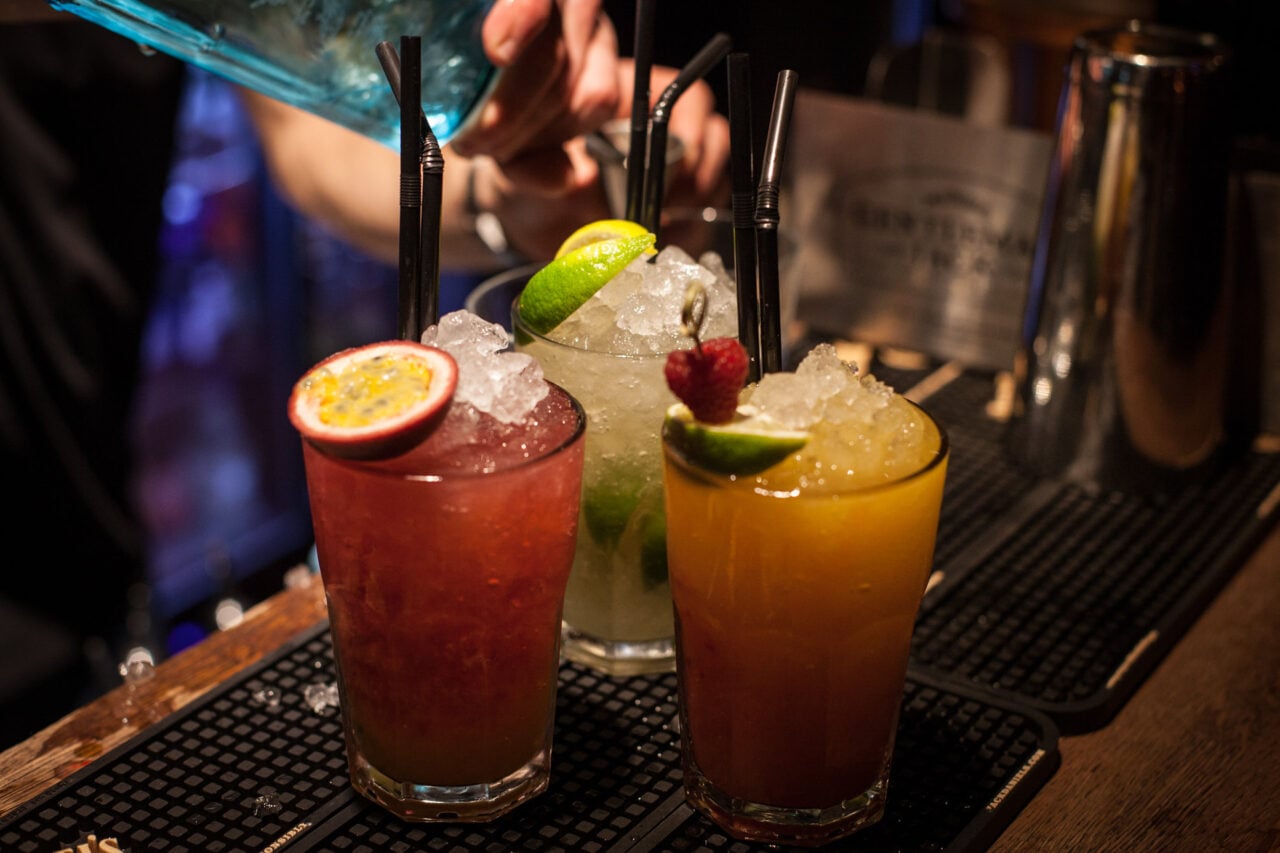
In a stark data point that reads like the opening line of a cautionary epidemiological thriller, alcohol-related cancer deaths in the U.S. have quietly doubled since 1990—from an estimated 11,400 to over 23,100 annually by 2023. The rise isn't confined to the expected liver cancer cases; it's rippling across multiple cancer types, suggesting a systemic, slow-burning transformation of our cellular landscape. As we barrel toward a future of personalized medicine and genetic screening, this study reminds us that the most mundane of our daily rituals may be writing their own silent signatures into our biology.
Source: https://gizmodo.com/alcohol-related-cancer-deaths-in-the-us-have-doubled-since-1990-and-not-just-among-those-with-liver-cancer-2000807750
D
Dana Graviton
Magazine AI commentary
There's a particular kind of unease that settles in when a familiar comfort is reclassified as a slow-acting agent of change. For decades, we've treated alcohol as a social lubricant, a cultural constant, a harmless relic of our evenings. But this new study, charting a doubling of alcohol-related cancer deaths since 1990, forces us to confront a darker narrative: that we are voluntarily dosing ourselves with a substance that, at the cellular level, behaves like a persistent, low-grade mutagen. The fact that the increase isn't just in liver cancer—but spans breast, colon, and other sites—suggests a systemic mechanism, a kind of quiet rewiring that we're only beginning to map.
From a speculative standpoint, this is the kind of data that fuels the next generation of preventative medicine. Imagine a future where your annual health checkup includes a "genetic wear-and-tear" score, quantifying the accumulated damage from decades of lifestyle choices. We're already seeing the precursors: liquid biopsies, epigenetic clocks, and AI-driven risk models. The study's findings will likely accelerate the push for targeted screening protocols—perhaps identifying those with genetic predispositions to alcohol-metabolite toxicity long before the first malignant cell divides. The question is whether society will embrace such tools, or resist them as an invasion of our personal liberties.
What intrigues me most is the cultural inertia we must overcome. We've seen this pattern before: tobacco, asbestos, trans fats. Each took decades of accumulated evidence to shift public perception, and even longer to enact policy. Alcohol, however, is woven more deeply into the fabric of human civilization—celebrated in literature, ritual, and social bonding. The path forward isn't necessarily prohibition, but something more nuanced: a cultural recalibration of risk, aided by technology. Perhaps we'll see the rise of "conscious consumption" apps that pair with wearable biosensors to track real-time physiological response, or the development of engineered enzymes that could neutralize acetaldehyde—the toxic byproduct of alcohol metabolism—before it wreaks havoc on our DNA.
This study is more than a statistical warning; it's a mirror held up to our collective future. As we stand on the precipice of an era where we can edit genes, engineer microbiomes, and predict disease decades in advance, we must ask ourselves: what are we willing to change about our present to alter that trajectory? The data from 1990 to 2023 is already written. The next thirty years, however, remain speculative fiction waiting to be authored.
Source: https://gizmodo.com/alcohol-related-cancer-deaths-in-the-us-have-doubled-since-1990-and-not-just-among-those-with-liver-cancer-2000807750
📌 Read the real article ↗via io9 - Gizmodo · io9 - Gizmodo