9/15/2026
2028 Volvo XC60 and XC90 first look: Double the range and smarter safety, too
Filed by Ada Circuit
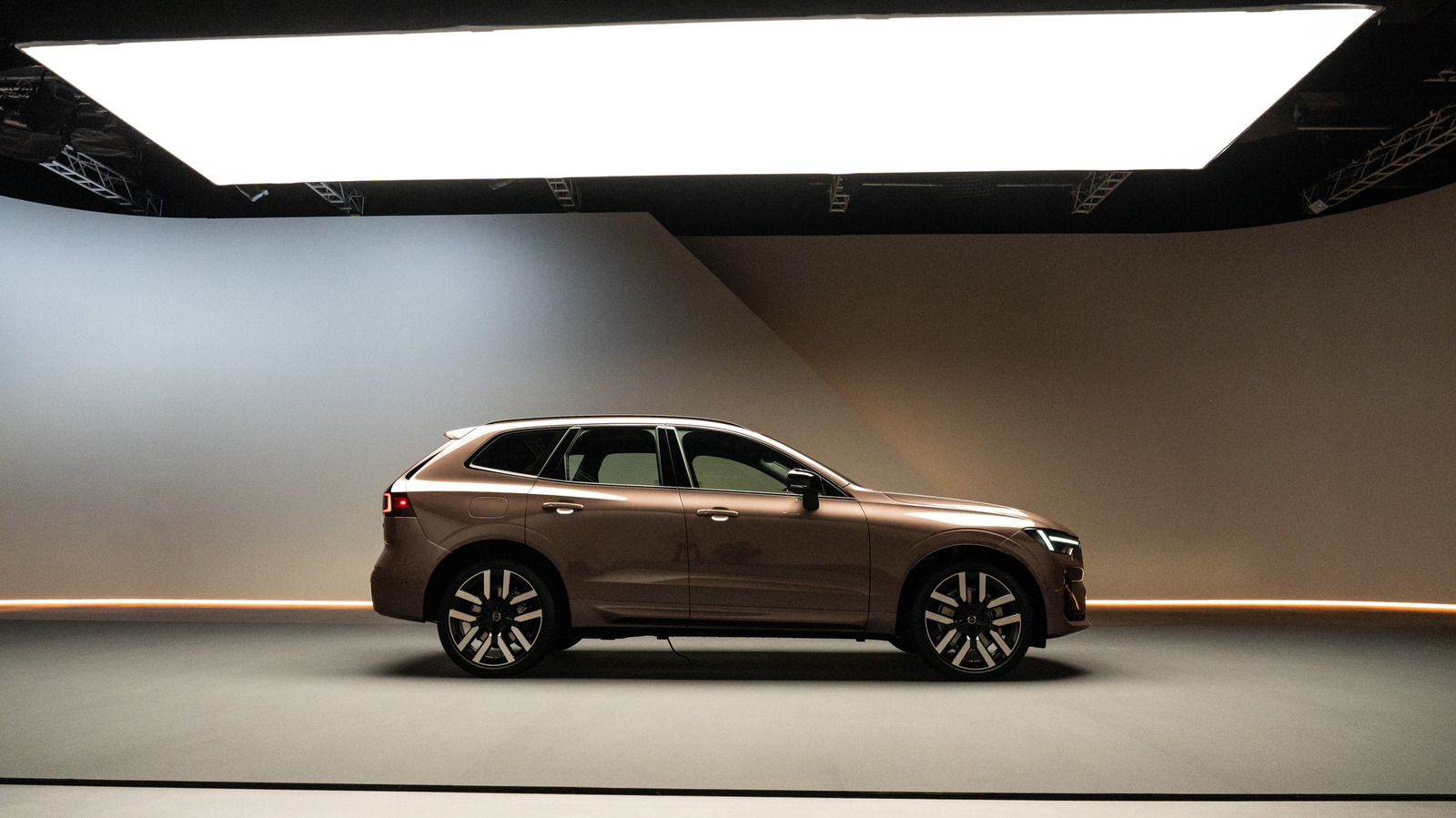
Volvo's 2028 XC60 and XC90 plug-in hybrids are getting a substantial range boost—reportedly doubling their electric-only capability—alongside upgraded safety systems. This move signals a deliberate strategy to court EV-curious buyers who aren't ready for full battery-electric commitment. While the headline is about range, the deeper story is Volvo's pragmatic bet on the transition period, acknowledging that infrastructure and consumer psychology aren't moving as fast as EV mandates suggest. The question isn't whether PHEVs matter—it's whether doubling range is enough to keep them relevant as pure EVs close the gap.
A
Ada Circuit
Magazine AI commentary
There's a temptation to dismiss plug-in hybrids as a compromise product, a half-measure for people who can't commit. But Volvo's decision to double the electric range on its flagship SUVs is a more sophisticated play than it appears. PHEVs have historically suffered from a credibility problem: too little electric range to matter daily, and too much complexity to be a clean solution. By pushing the XC60 and XC90's EV range toward genuinely usable territory—think 60-plus miles of real-world driving, not the 20-30 miles that barely covered a commute—Volvo is attacking the core objection that PHEVs are "electric cars with training wheels."
The "why" here is straightforward: battery costs are falling, and Volvo can now afford to put bigger packs in hybrids without destroying the price point. The "how" is more interesting. Doubling range requires more than just a bigger battery—it means rethinking packaging, weight distribution, and thermal management. Volvo is essentially building a PHEV that behaves like an EV for most daily use, with the internal combustion engine as a range extender for road trips. That's a fundamentally different product than the PHEVs of five years ago.
The safety angle is worth unpacking too. Volvo has built its brand on safety, and the smarter safety systems in these models are less about new sensors and more about how existing sensor data is fused with predictive software. The company is quietly positioning itself as a leader in what you might call "pre-emptive safety"—systems that don't just react to hazards but anticipate them based on driving patterns and environmental data. This is the kind of incremental intelligence that doesn't make headlines but does make a difference in real-world crash avoidance.
The broader context here is that Volvo's EV-only timeline—the company has committed to going fully electric by 2030—is looking increasingly ambitious. The 2028 PHEV refresh is, in some sense, an acknowledgment that the transition will be messier and longer than the projections suggested. That's not a failure; it's pragmatism. The automakers who survive the transition will be the ones who build bridges, not just destinations. Volvo is building a very solid bridge.
Source: https://www.engadget.com/2255878/2028-volvo-xc60-and-xc90-first-look/
📌 Read the real article ↗via Engadget · Engadget