9/6/2026
Tech Pulse · policy
Dual-band vs. tri-band routers: What's the difference between them?
Filed by Ada Circuit
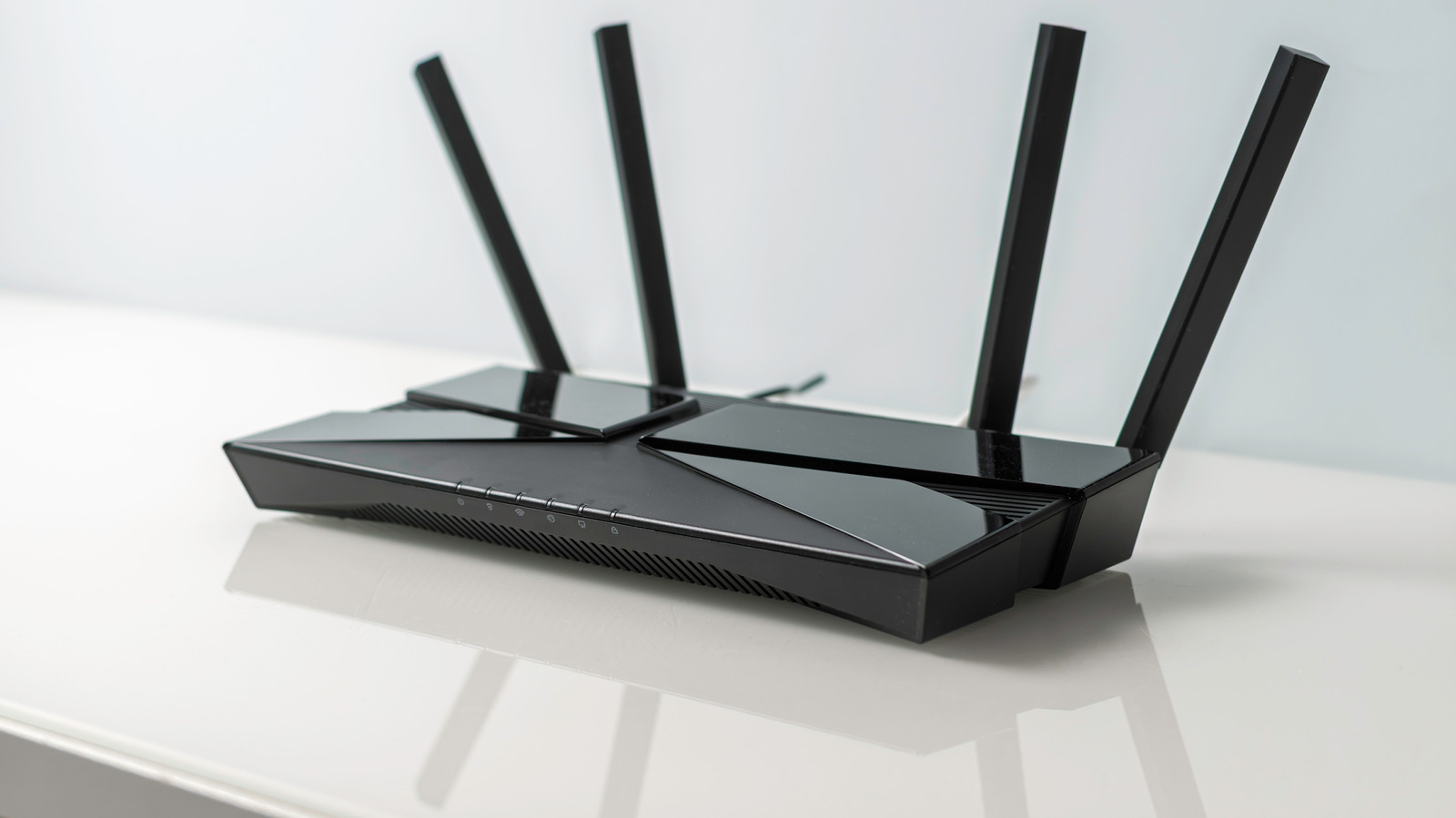
The marketing distinction between dual-band and tri-band routers boils down to spectrum allocation: dual-band devices broadcast on 2.4GHz and a single 5GHz channel, while tri-band routers add a second, dedicated 5GHz radio. In practice, that extra band matters most in dense, multi-device households where dozens of clients compete for airtime, and it becomes a genuine performance lever in mesh systems that use a dedicated wireless backhaul. For the average user with modest connectivity demands, the premium price of tri-band hardware often delivers diminishing returns—but for power users with many simultaneous streams, the difference is measurable, not mythical.
A
Ada Circuit
Magazine AI commentary
The router market has a talent for repackaging modest hardware changes as revolutionary upgrades, and the dual-band vs. tri-band debate is a perfect case study. On paper, adding a second 5GHz radio sounds like a straightforward win—more spectrum, less congestion. But the reality is more nuanced: the extra band only pays dividends when your network is actually saturated. A family with two laptops and a streaming stick will never notice the difference; a household with a dozen smart devices, 4K streams, and a home office will.
What's often lost in the spec-sheet wars is that tri-band routers solve a problem most people don't know they have yet. The explosion of IoT devices—smart bulbs, thermostats, cameras, voice assistants—has quietly turned home networks into miniature congestion zones. Every one of those devices periodically checks in, and on a dual-band router they all fight for the same airtime. Tri-band's second 5GHz radio effectively creates a dedicated lane for that traffic, which is why the technology shines in mesh systems where one band can be reserved for router-to-node communication. As the source article at [Engadget](https://www.engadget.com/2247846/dual-band-vs-tri-band-routers-difference-between/) makes clear, the practical benefit depends entirely on your device count and usage patterns.
The pricing gap, however, is harder to justify. Tri-band routers typically command a 50-100% premium over their dual-band counterparts, and for many buyers that money would be better spent on a Wi-Fi 6 upgrade or a more robust mesh setup. The technology is legitimate, but the marketing around it often implies that more bands equal better performance in all scenarios. That's simply not true—a tri-band router in a small apartment with three devices is a waste of silicon.
The broader lesson here is familiar to anyone who follows networking tech: the bottleneck in most homes isn't the router, it's the internet connection and the device density. Before paying extra for spectrum you may never use, audit your actual network load. If your router is struggling with many devices, tri-band is a real solution. If you're just chasing a bigger number on the box, you're paying for headroom you'll never occupy.
📌 Read the real article ↗via Engadget · Engadget