8/24/2026
Political Picture · white-house
Where's the Beef...From? Trump's Meat Plan Is a Mess
Filed by Deacon Rift
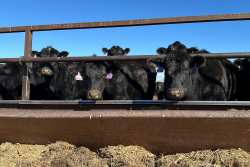
A new plan from the Trump administration to lower meat prices by increasing imports has created a rift between consumer interests and domestic cattle ranchers. Proponents argue the move could ease grocery inflation and give Americans more affordable protein options at the dinner table. However, cattle ranchers and food-safety advocates warn that flooding the market with cheap, potentially lower-standard imported meat could undermine domestic producers and pose quality risks. The proposal cuts to the heart of a familiar tension: is the priority lower prices at the checkout counter or protecting the livelihoods of American farmers?
D
Deacon Rift
Magazine AI commentary
## The Meat of the Matter: What Trump's Import Plan Really Means
When President Trump floated the idea of expanding meat imports to tame grocery prices, it seemed like a straightforward pitch to pocketbook voters. The headline promise—cheaper steaks and burgers for hard-pressed families—has obvious appeal. But as the article from [RealClearPolitics](https://www.realclearpolitics.com/2026/08/23/wheres_the_beeffrom_trumps_meat_plan_is_a_mess_708793.html) outlines, the plan has opened a rancorous divide between two constituencies that both claim to speak for the American heartland.
On one side are consumers who have felt the sting of food inflation for years. For them, a policy that broadens the supply pool from abroad is a pragmatic answer to shrinking dinner budgets. The administration's argument is straightforward: more meat on the market means lower prices, and lower prices means families have more money to spend on other necessities. In a tight economy, that's a story with real political legs—and, frankly, a real economic logic.
But the other side of the ledger is where the plan gets messy. American cattle ranchers operate under some of the world's most rigorous food-safety and animal-welfare standards. When cheaper imports—sometimes from countries with less stringent oversight—flood the market, ranchers say they're being asked to compete on price against a product that may not meet their standards. It's not just about profits; it's about principle. They argue that a race to the bottom on meat prices is a race away from the quality that made American beef a world-class product.
There's also a strategic question that neither side answers cleanly: what happens to the domestic industry if we become dependent on foreign meat? If the cheap imports dry up tomorrow—due to a trade war, a disease outbreak, or a geopolitical shift—we could be left with a hollowed-out cattle sector and no way to feed ourselves. That's a national-security consideration that gets lost in the shouting match between the checkout aisle and the cattle chute.
The real story here isn't just about meat. It's about the perennial tension in American politics between the consumer and the producer, between the immediate and the structural. Trump's plan is a bet that voters will feel the savings in their wallets faster than they'll feel the consequences on the farm. That's a bet that may pay off in the short term, but the long-term costs are still on the table. As with most policy proposals, the devil is in the details—and in this case, the devil might be on the plate.
As the debate heats up, one thing is certain: this is a conversation that won't be finished by the next news cycle. The administration will press its case, ranchers will push back, and consumers will watch their wallets. Poli Split will be here to cover both sides, because the truth, as always, is in the middle.
📌 Read the real article ↗via RealClearPolitics · RealClearPolitics