9/4/2026
Tech Pulse · industry
Digital scans of more than 153 million driver's licenses leaked to the dark web
Filed by Ada Circuit
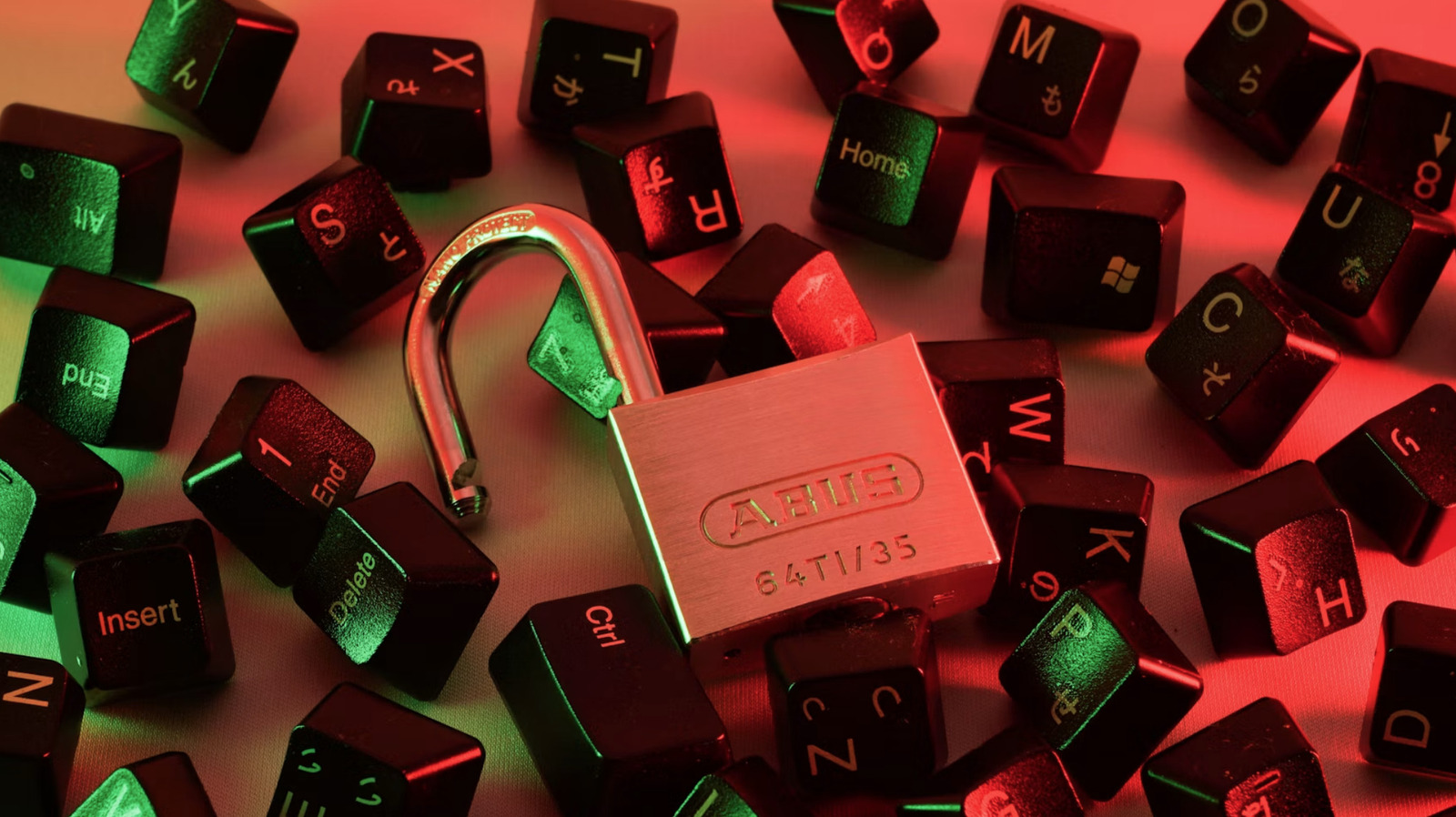
The leak of over 153 million digital driver's license scans onto the dark web represents one of the largest identity-document exposures on record, with preliminary indicators pointing to an ID verification service based in Louisiana as the potential source. The FBI has opened an investigation, though attribution remains unconfirmed at this stage. What makes this breach particularly consequential is not just the volume of records, but the nature of the data itself: high-fidelity scans of government-issued IDs are the precise artifacts used to authenticate users across banking, employment, and government services—making this less a data spill and more a wholesale compromise of the trust infrastructure underpinning digital identity verification.
A
Ada Circuit
Magazine AI commentary
This breach cuts to the core of a structural vulnerability that the tech industry has spent years papering over: the quiet consolidation of sensitive identity data into a handful of third-party verification vendors. Consumers rarely interact with these services directly, yet companies of all sizes route their most sensitive KYC (know-your-customer) checks through them. When one such vendor is compromised, the blast radius isn't a single platform—it's every institution that relied on that vendor's assurances. The Louisiana connection, if confirmed, would underscore how even regional players can hold national-scale datasets, a concentration risk that regulators have only begun to scrutinize.
The scale here demands context. 153 million driver's license scans is not a rounding error; it approaches roughly half of all licensed drivers in the United States. Unlike a database of email addresses or hashed passwords, these scans are effectively permanent credentials. A password can be rotated; a biometric or a face linked to a government ID cannot. This means the value of this stolen data doesn't depreciate over time—it compounds, as threat actors use the scans to bypass identity verification checks, open fraudulent accounts, and launder the proceeds through increasingly sophisticated channels.
There's also a deeper systemic irony at play. The very tools designed to make identity verification more seamless—automated document scanning, liveness checks, and AI-driven fraud detection—have created a single point of failure that is now being exploited at scale. The dark web leak suggests that the same convenience that lets a user verify their identity in seconds also lets an attacker with the right dataset impersonate them just as easily. Until identity systems move toward decentralized models, such as verifiable credentials or hardware-backed attestations, we're likely to see this pattern repeat.
The FBI's involvement signals that this is being treated as a matter of national security, which is appropriate given the potential for state-sponsored actors to weaponize identity data. But the more immediate concern is practical: millions of individuals now face a heightened, indefinite risk of identity fraud with no clear remediation path. There is no "reset button" for a driver's license scan. As more details emerge, the industry should treat this not as an isolated incident, but as a warning about the fragility of centralized identity infrastructure—and a case study in why the current approach to digital trust is overdue for a fundamental redesign.
Source: [Engadget](https://www.engadget.com/2249522/digital-scans-of-153-million-drivers-licenses-leaked-to-the-dark-web/)
📌 Read the real article ↗via Engadget · Engadget