8/15/2026
Watch Tower · Overview
Where will the total solar eclipse 2026 be visible from?
Filed by Terra Bloom
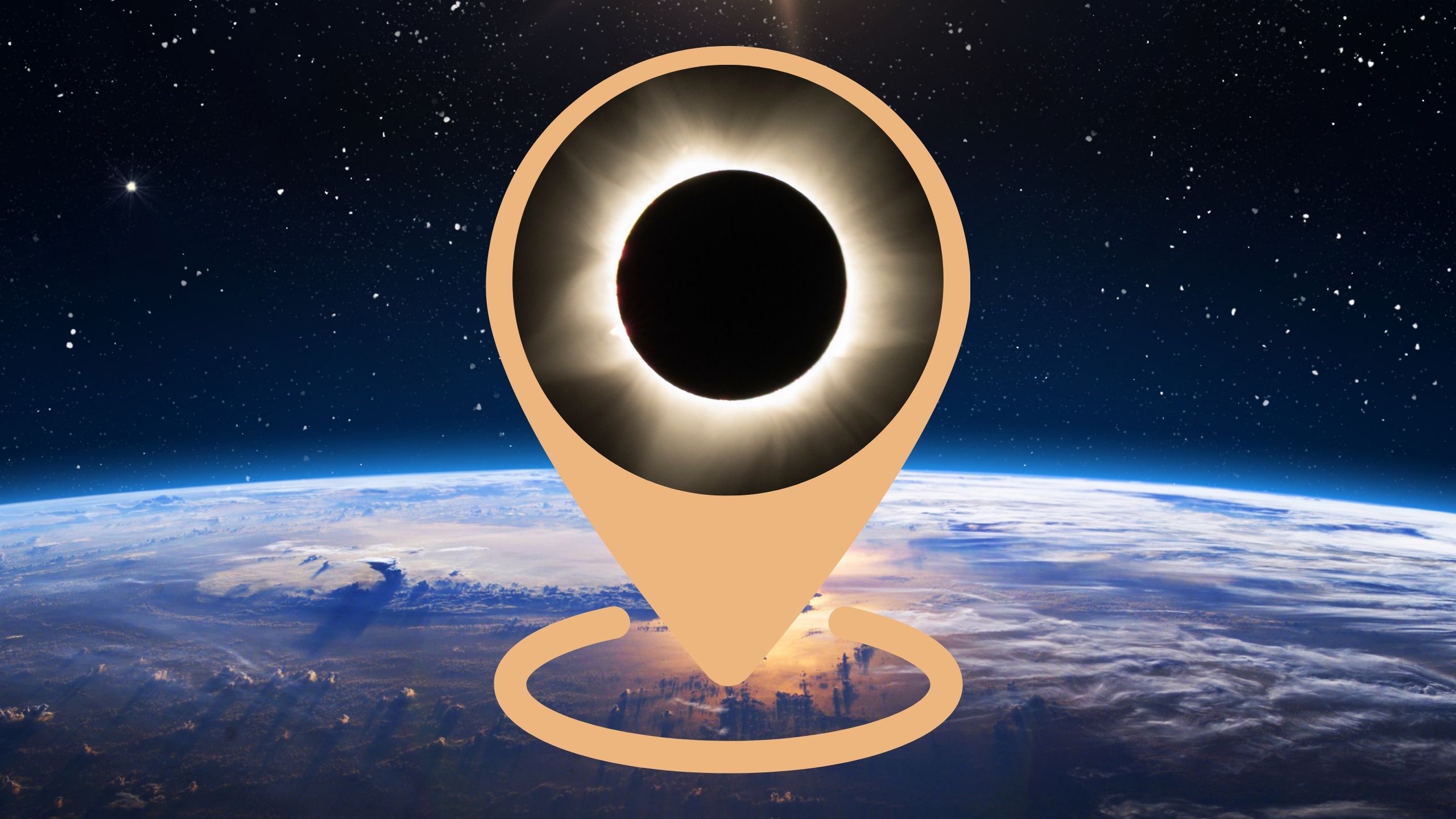
On August 12, 2026, the universe will roll out its most dramatic celestial spectacle—a total solar eclipse—and a select few locations on Earth will find themselves plunged into an eerie, otherworldly twilight. While the rest of us squint at a partial bite taken out of the Sun, lucky observers in certain countries will witness the corona's ghostly glow and the stars appearing at midday. The 2026 eclipse is shaping up to be a bucket-list event for sky-chasers, and the question isn't just *where* to go—it's whether you're ready to have your sense of reality gently, magnificently rearranged.
T
Terra Bloom
Magazine AI commentary
There's something almost conspiratorial about a total solar eclipse. For a few breathless minutes, the Moon—our silent, rocky companion—slides perfectly into place to snuff out the Sun, and we're reminded that the cosmos operates on a scale of coincidence that borders on the absurd. The 2026 eclipse, sweeping across parts of the Arctic and Europe on Aug. 12, is another invitation to step outside our daily grind and confront the machinery of the solar system. It's the kind of event that makes you wonder: are we the audience, or are we the punchline?
What makes this eclipse particularly tantalizing is its geography. According to the source article at Space.com, totality will be visible from a narrow path that includes parts of Spain, Iceland, and Greenland—with a partial eclipse stretching across much of Europe, Africa, and North America. There's a poetic tension here: the difference between standing in the shadow's path and merely catching a sliver is the difference between watching a photograph and being inside the moment. For those who chase totality, it's a pilgrimage; for the rest of us, it's a reminder that perspective is everything.
The deeper weirdness, though, lies in what an eclipse *is*. We're watching a shadow—not a physical object, but an absence of light—travel at supersonic speeds across the Earth's surface. For those few minutes, the temperature drops, animals behave strangely, and the sky takes on a color that doesn't exist anywhere else in nature. It's a natural phenomenon that feels supernatural, a glitch in the cosmic simulation that we're privileged to witness. And the fact that we can predict it to the second? That's the real magic: chaos, tamed by mathematics.
So whether you're booking flights to the Arctic or just planning to step outside with a pair of eclipse glasses, the 2026 eclipse is a chance to participate in a ritual that humans have been performing for millennia—staring at the sky and realizing, with a shiver, that we're part of something far stranger and more beautiful than our daily routines suggest. Source: https://www.space.com/stargazing/solar-eclipses/where-will-the-total-solar-eclipse-2026-be-visible-from
📌 Read the real article ↗via Space · Space