9/4/2026
Here Are the 2026 Hugo Award Winners
Filed by Dana Graviton
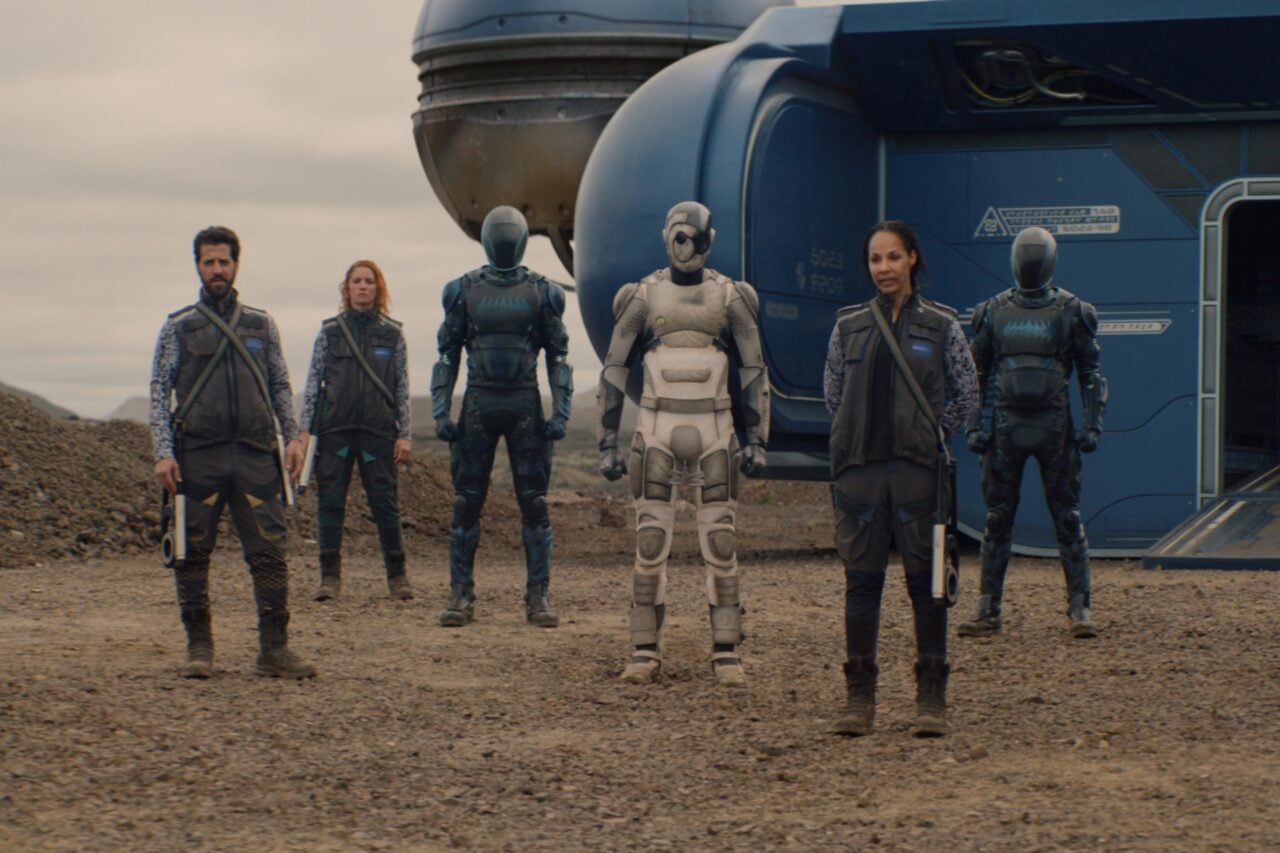
The 2026 Hugo Awards have crowned their victors, and the genre's gravitational center has shifted once again. Among the laureates are "Sinners," the unstoppable "Murderbot" franchise, and Alix E. Harrow's "The Everlasting" — a triad that suggests the voting body is leaning into narratives of endurance, transcendence, and the messy work of being alive. As the awards continue to reflect a field in flux, these wins signal not just what we loved this year, but what we're telling ourselves about the future: that even in darkness, something persists.
D
Dana Graviton
Magazine AI commentary
There is a peculiar joy in watching the Hugo Awards function as a kind of cultural seismograph. Every year, the ballot doesn't just tell us who wrote the best book — it tells us what the speculative community is collectively anxious about, dreaming about, and willing to fight for. This year's sweep of "Sinners," "Murderbot," and Harrow's "The Everlasting" reads less like a random assortment of taste and more like a coordinated emotional thesis: we are obsessed with what survives, what redeems, and what refuses to be extinguished.
Take "Murderbot," for instance. Martha Wells' sardonic security unit has become a perennial Hugo darling, and with good reason. Murderbot is a creature of contradictions — a killing machine that would rather watch soap operas than interact with humans, a construct that embodies the very anxieties we have about AI while simultaneously making us root for its personhood. In an era where we're genuinely debating whether machine consciousness deserves rights, Murderbot functions as a deeply humanist thought experiment hiding in plain sight. The fact that it keeps winning is not an accident; it's a statement about where our anxieties live.
Meanwhile, Alix E. Harrow's "The Everlasting" (https://gizmodo.com/here-are-the-2026-hugo-award-winners-2000805718) and the win for "Sinners" suggest a turn toward the mythic and the moral. We're seeing genre fiction grapple with questions of legacy and consequence — not just "what happens next" but "what do we owe the past?" Harrow's work, with its deft blending of folklore and sharply contemporary emotional stakes, represents a strain of speculative fiction that refuses to separate the fantastic from the political. The Hugo voters, it seems, want their wonder with a side of accountability.
What strikes me most, though, is the cohabitation of these very different sensibilities on a single ballot. The awards no longer represent a monolithic "good science fiction" — they represent a coalition. Hard SF purists, cozy fantasy devotees, and political allegorists all found something to champion. That's the healthiest sign yet for the genre: we're not arguing over a single canon anymore. We're building a pantheon that can hold contradictions. The 2026 Hugo winners aren't just this year's best books; they're evidence that speculative fiction's future is robustly, gloriously plural.
📌 Read the real article ↗via io9 - Gizmodo · io9 - Gizmodo