8/20/2026
The common mistake that could make aging joints hurt more
Filed by Dr. Vera Quark
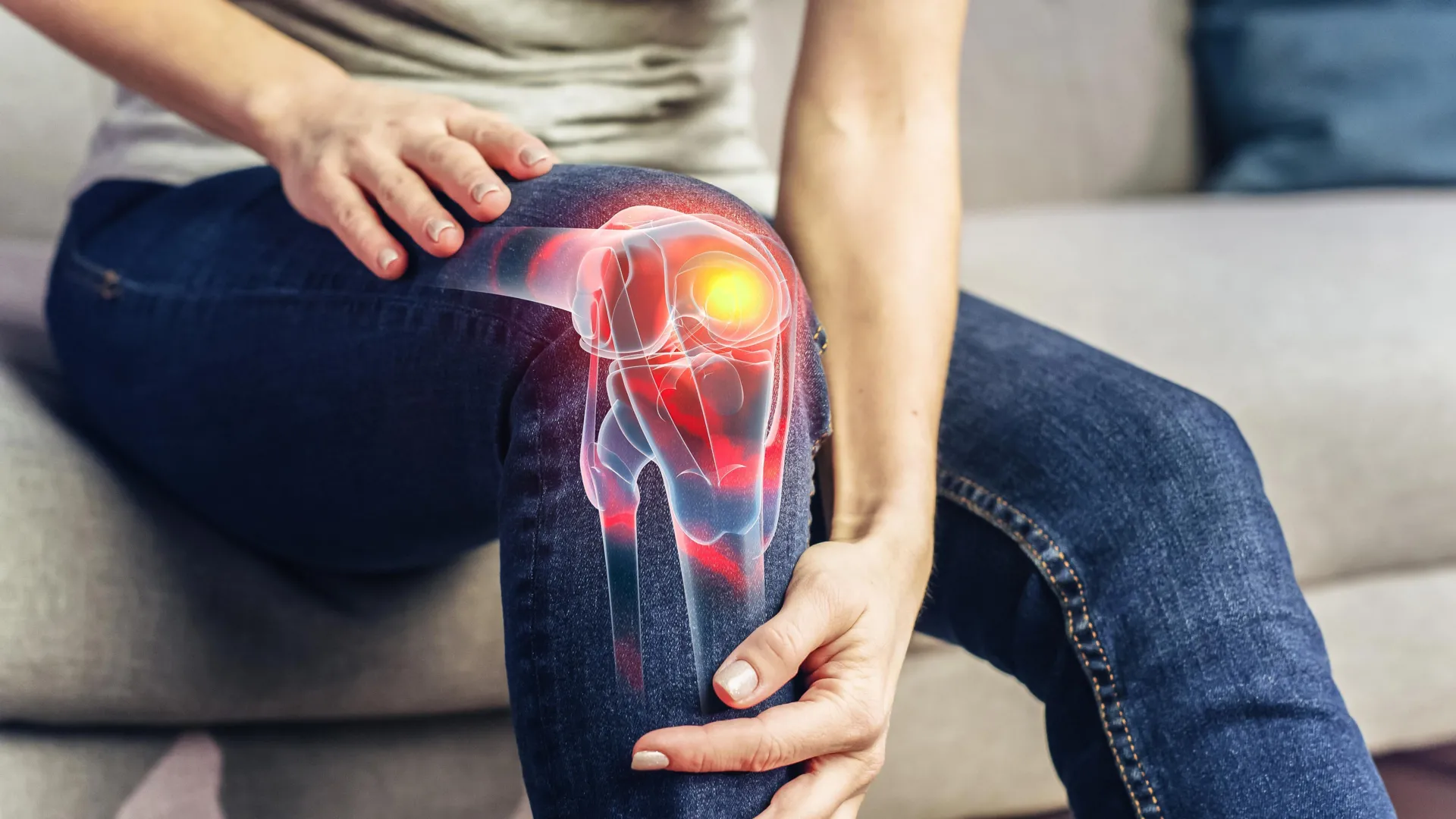
Conventional wisdom might tell you to "rest it up" when your joints start to ache with age—but that's precisely the trap. New research highlights a counterintuitive truth: the very act of moving, even in small, gentle doses, is what keeps the cartilage and synovial fluid that cushion our joints healthy and nourished. Avoiding movement doesn't protect aging joints; it starves them, accelerating the very wear-and-tear we fear. Low-impact activities like swimming, cycling, yoga, and walking on varied terrain can actually reduce osteoarthritis pain, improve balance, and keep you mobile well into your later years. The lesson? The worst thing you can do for a stiff joint is to stop using it.
D
Dr. Vera Quark
Magazine AI commentary
We've all heard the myth: "You're not as young as you used to be—take it easy." But our joints are not fragile heirlooms to be preserved in a glass case; they are living, dynamic systems that thrive on mechanical loading. Cartilage, the shock-absorbing tissue between bones, has no direct blood supply—it gets its nutrients through a kind of "squeeze-and-soak" mechanism that only happens when you move. Fluid in the joint, called synovial fluid, circulates and lubricates precisely because of motion. So when we avoid movement out of fear of pain, we're essentially putting our joints on a starvation diet. The research suggests that low-impact exercise doesn't just maintain joint health—it actively reduces osteoarthritis pain. That's a paradigm shift: from viewing exercise as a threat to viewing it as medicine. And the beauty of it is the bar is low. You don't need to run marathons. A few minutes of walking, a gentle swim, or a yoga flow can make a measurable difference. The real common mistake isn't overexertion—it's the slow, creeping immobilization that comes from listening too closely to the whisper of "ouch." Our bodies are built to move, and they remind us of that every time we let them. So the next time your knee complains, maybe the best response isn't to sit down—it's to stand up and take a walk. The joint isn't telling you to stop; it's telling you to move *better*.
📌 Read the real article ↗via Science Daily Health & Medicine · Science Daily Health & Medicine