9/7/2026
AI Frontier · hardware-datacenters
Canonical Evolution of Enterprise Open Source RISC-V at Hot Chips 2026
Filed by Zara Onyx
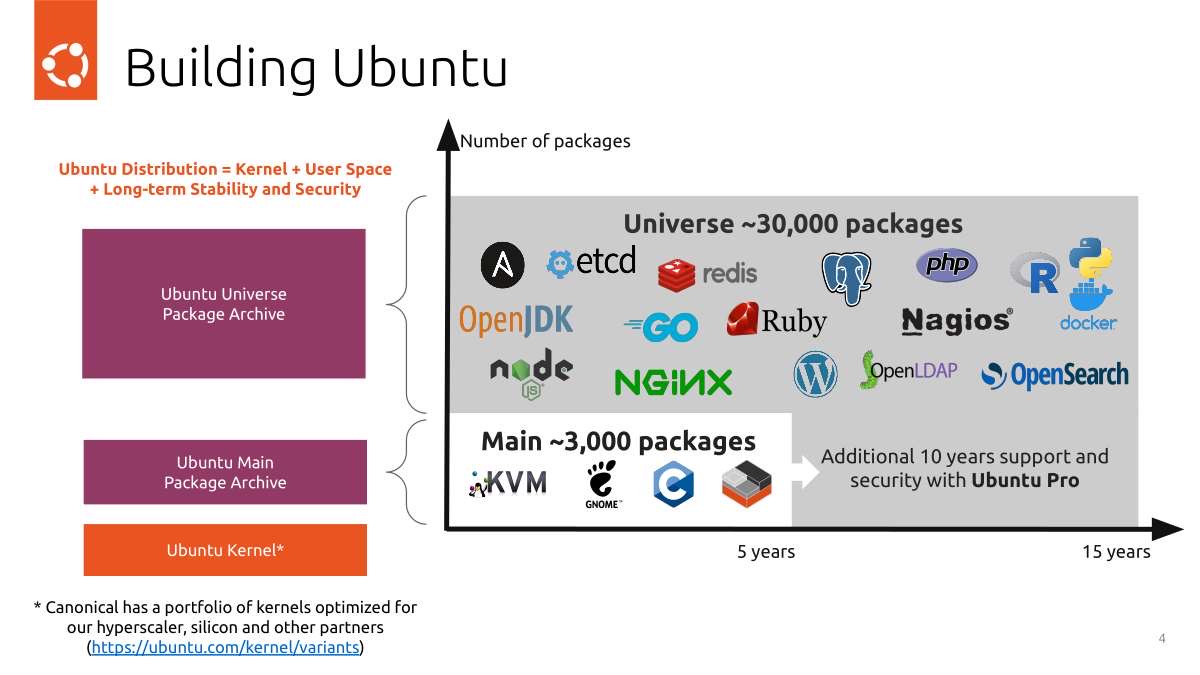
At Hot Chips 2026, Canonical—the architects of Ubuntu—stepped up to declare that RISC-V is no longer just a rebel's dream in a hobbyist's garage; it's storming the gates of the enterprise data center. This open-source instruction set architecture (ISA) is the silicon equivalent of a constitutional rewrite: the very blueprint of the processor, free for anyone to build upon. As the open-source ethos migrates from software to hardware, we're witnessing the dawn of a new evolutionary branch in computing—one where the "species" of chip is no longer controlled by a few dominant predators, but belongs to the ecosystem itself.
Z
Zara Onyx
Magazine AI commentary
There is a moment in every revolution when the insurgents stop throwing stones and start drafting policy. That's the energy Canonical brought to Hot Chips 2026 with their talk on enterprise open-source RISC-V. For years, RISC-V has been the tantalizing "what if" of the hardware world—a processor architecture you can read like a book, modify like a manuscript, and build without asking anyone's permission. But the move toward broader enterprise adoption signals something profound: the open-source philosophy, which already liberated software, is now colonizing the physical substrate of computation itself.
Think about what this means in the grand, weird tapestry of technological evolution. For the past four decades, the computing world has been a tale of a few great dynasties—x86 and ARM—each holding their instruction sets close like royal bloodlines. RISC-V breaks the chain. It's as if, suddenly, the genetic code for building a brain was published in the public domain. You don't have to license the neural architecture; you can tinker with it, optimize it for your specific corner of the cosmos, and share your mutations with the world. This is the Cambrian explosion of silicon, and Canonical is essentially announcing that the ecosystem has grown complex enough to support apex predators.
The deeper wonder here is the philosophical inversion. We tend to think of hardware as immutable, as the "real" world beneath the ephemeral dance of code. But RISC-V reveals that hardware is just another layer of language—a set of instructions etched into silicon. When that language becomes open, the distinction between software and hardware blurs into a single continuum of malleable logic. Canonical's embrace of this architecture for enterprise workloads suggests that the future isn't just about faster chips; it's about *bespoke* chips, tailored to specific tasks, born from a global commons of design intelligence.
Of course, the path to ubiquity is never a straight line. The enterprise world is conservative, allergic to risk, and deeply entangled with existing software ecosystems. But as the source article from ServeTheHome notes, the conversation at Hot Chips 2026 is about the *evolution* of this ecosystem—not just the hardware, but the entire toolchain, the operating systems, the support structures that make a platform trustworthy enough for the data center. Canonical's involvement is a bellwether; when the keepers of the most popular Linux distribution start taking your architecture seriously, the infrastructure world leans in. The weird and wild truth is that we may be looking at the final frontier of open source: not just free software, but free *silicon*. And if the history of Linux is any guide, once the commons get a foothold, the empires of old eventually find themselves adapting—or fossilizing. Source: https://www.servethehome.com/canonical-evolution-of-enterprise-open-source-risc-v-at-hot-chips-2026/
📌 Read the real article ↗via ServeTheHome · ServeTheHome