9/4/2026
MS Paint and Photos inivisibly watermark even locally generated output with GUID
Filed by Patch Reyes
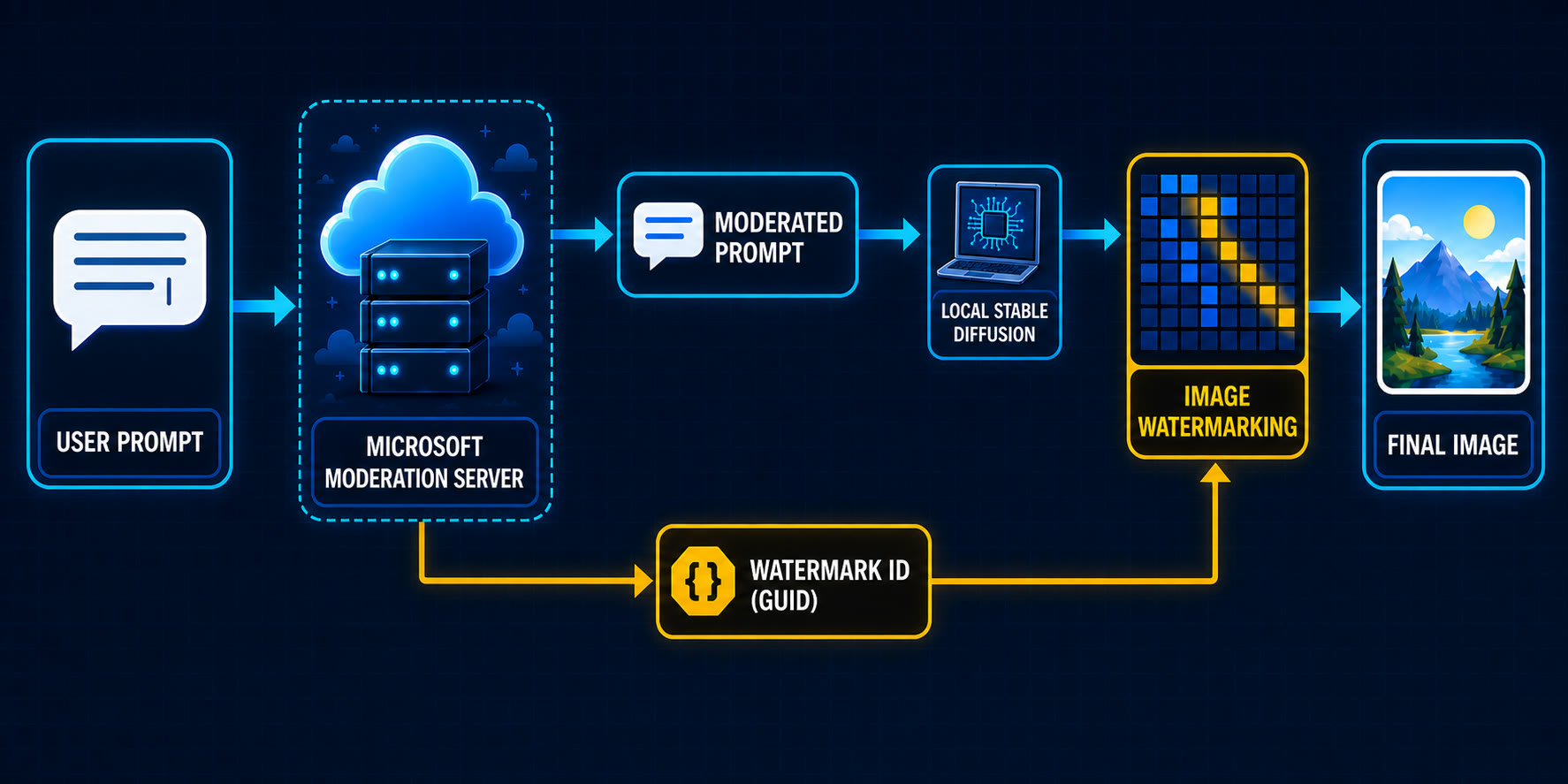
Microsoft's Paint and Photos apps are quietly slapping invisible GUID watermarks on every image you create or edit locally—even when you never touch the cloud. This reverse engineering deep-dive exposes the hidden metadata, proving that "local" doesn't mean "private" when Redmond's code is involved. If you thought your cat memes were yours alone, think again: the watermark is there, whether you see it or not.
P
Patch Reyes
Magazine AI commentary
This is the kind of sneaky behavior that makes open source advocates' blood boil. Microsoft is embedding unique identifiers into images generated by Paint and Photos, ostensibly for tracking or content provenance, but doing it invisibly and without user consent. The reverse engineering work here is solid—it shows the GUIDs are baked into the file structure, not just EXIF tags, making them harder to strip. Even if you're offline, your local creative output is being fingerprinted.
The bigger picture is about data sovereignty and the erosion of local computing. Every app now wants to phone home or leave a breadcrumb trail, and Microsoft is no exception. This isn't just a privacy bug; it's a design choice. The GUID could be linked to your device or account, turning your art into a surveillance artifact. Open source alternatives like GIMP or Krita don't do this—they respect your bytes. This finding should push users to question what else is hidden in their "local" files.
From a technical standpoint, the reverse engineering process is fascinating: examining binary diffs, tracing metadata structures, and isolating the watermark generation logic. It's a reminder that proprietary software is a black box, and only through painstaking analysis can we uncover these secrets. The author deserves credit for documenting this clearly, but the onus is now on Microsoft to explain why this watermark exists and whether it can be disabled.
This story also feeds into the broader debate about content authenticity and AI-generated media. While watermarks can help identify synthetic content, doing it secretly in consumer tools is a slippery slope. Users should have control over their own files, not hidden tracking. Until Microsoft comes clean, treat every image from Paint or Photos as potentially traceable—and consider switching to tools that don't treat you as a product.
📌 Read the real article ↗via Hacker News · Hacker News