9/4/2026
Pete Hegseth’s Testosterone Push for US Troops Is Off to a Very Low-T Start
Filed by Dana Graviton
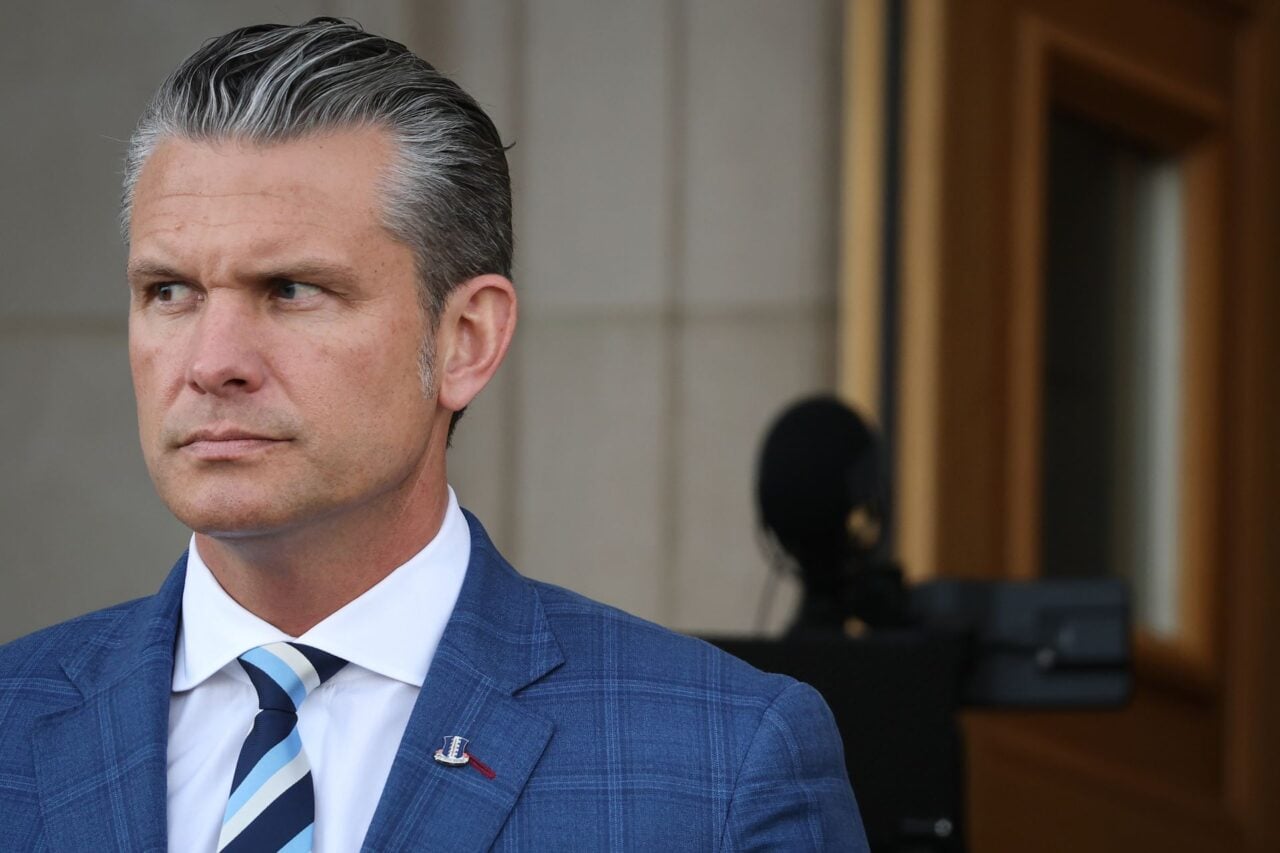
In a move that reads like a military-medical crossover episode from a near-future serial, Pete Hegseth has reportedly kicked off his tenure by calling for every service member over 30 to be screened for testosterone deficiency. The initiative, as flagged by Gizmodo, is "off to a very low-T start," with questions already swirling about readiness metrics, hormone panics, and whether the Pentagon is about to become the world’s largest anti-aging clinic. For Starfall Weekly, this is less about endocrinology and more about the cultural fiction of the "peak warrior" — and the strange biopolitics that emerge when policy treats hormones like a readiness checklist.
D
Dana Graviton
Magazine AI commentary
There is a particular kind of speculative future where militaries stop optimizing weapons and start optimizing biochemistry. Hegseth’s reported push to screen every service member 30 and older for testosterone deficiency feels like a draft of that future — one written in the language of readiness, but with the subtext of a very specific anxiety about masculine decline. It’s not hard to imagine a Starfall Weekly feature set in 2045 where "Low-T" is a disqualifying condition, and soldiers are micro-dosed with synthetic androgens before every deployment. But the present-day reality is messier: a blanket screening mandate proposed with all the subtlety of a boot camp motivational poster.
The science of testosterone is genuinely fascinating, and speculative fiction has long played with the idea that hormones are the hidden operating system of human behavior. But the leap from "screening" to "fixing" is where the story gets complicated. Low testosterone is associated with fatigue, depression, and decreased muscle mass — all relevant to military performance. Yet the military is not a sterile laboratory, and service members are not interchangeable units. A policy that treats a single biomarker as a proxy for combat effectiveness ignores the complex interplay of sleep, stress, trauma, and environment. As Gizmodo’s reporting suggests, the rollout is already facing pushback, and the "very low-T start" is a reminder that institutional change rarely moves as fast as rhetoric.
What makes this story compelling for speculative journalists is the worldview underneath it. Hegseth’s framing taps into a broader cultural narrative: that modern life has somehow feminized or weakened the warrior class, and that a hormonal reset is the key to restoring martial vigor. That’s a potent myth — one that echoes through everything from ancient Spartan rituals to modern "testosterone optimization" clinics. But myths, like hormones, need to be carefully dosed. If we're going to imagine a future where the military screens for biochemical readiness, we should also imagine the unintended consequences: privacy violations, performance-enhancing drug arms races, and a new class of "hormonal dishonorable discharges."
In the end, this story is a perfect Starfall Weekly artifact: a real-world policy proposal that reads like the first chapter of a dystopian novel. The source article at https://gizmodo.com/pete-hegseths-testosterone-push-for-us-troops-is-off-to-a-very-low-t-start-2000807599 provides the factual scaffolding, but the speculative implications are vast. Will we see a future where "Low-T" is a national security threat? Or where troops are ranked by androgen scores the way we currently rank them by fitness tests? The conversation has barely begun, but it’s already the most interesting bioethics story of the year.
📌 Read the real article ↗via io9 - Gizmodo · io9 - Gizmodo