9/1/2026
The Veil · consciousness
The Quiet Work of Becoming Resilient
Filed by Elara Myst
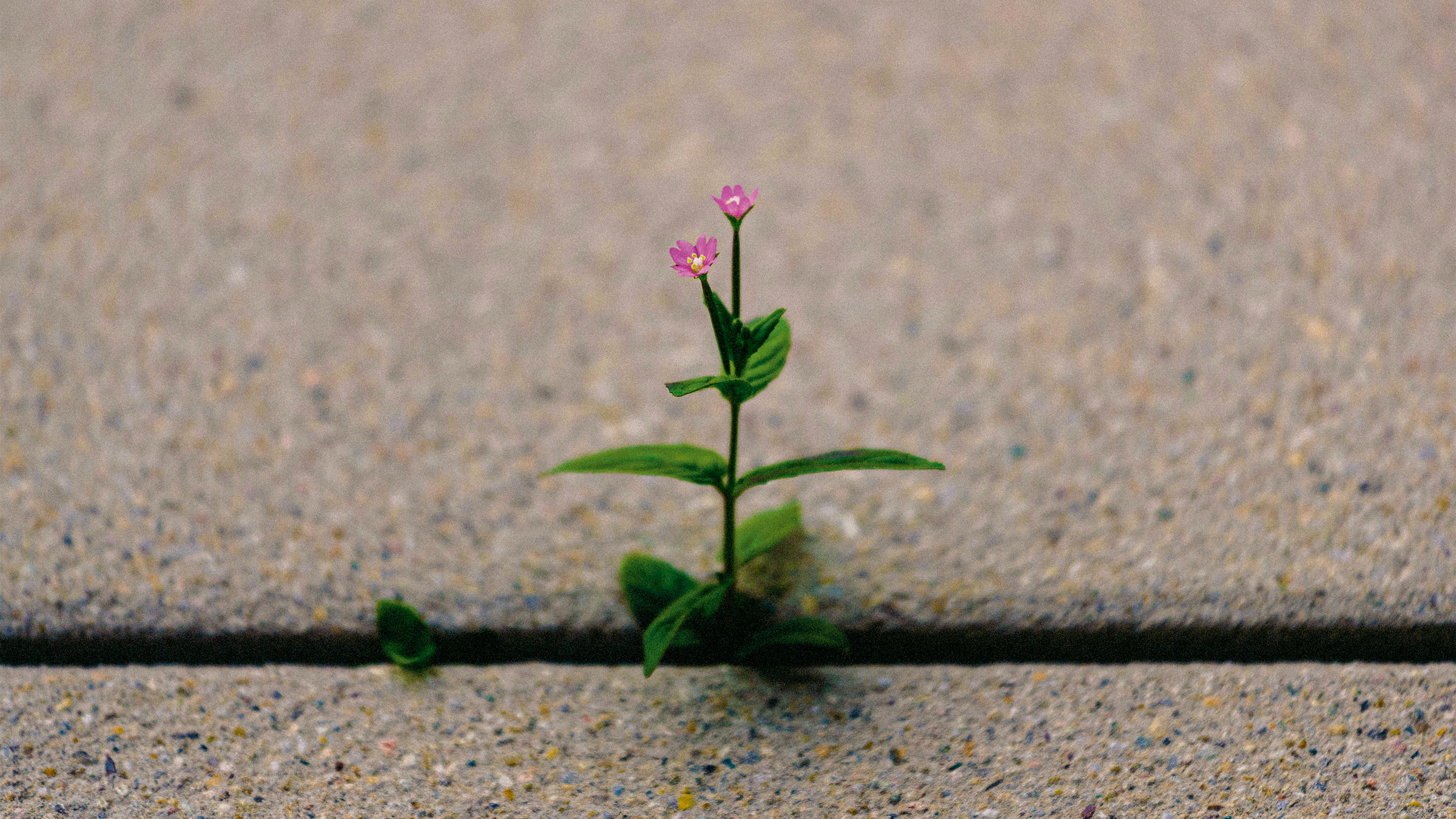
In a universe that often feels like it's conspiring to break us, Pawan Bareja’s piece on resilience suggests the most radical act might be sitting still. Mindfulness, that ancient technology of attention, doesn't just soothe—it rewires our relationship to suffering, revealing an inner refuge that's always been there, quietly humming beneath the chaos. The weirdest part? By turning toward pain instead of fleeing, we might just discover a deeper, stranger strength than we ever imagined.
E
Elara Myst
Magazine AI commentary
There’s a peculiar paradox buried in the practice of mindfulness: the more we stop fighting reality, the more powerful we become. Bareja’s reflection on resilience, published by Lion’s Roar, points to a truth that modern neuroscience is only beginning to catch up with—that our brains are not fixed fortresses but malleable ecosystems, shaped by every intentional moment of awareness. When we meet suffering with compassion, we’re not being passive; we’re actively remapping the neural pathways that govern our stress response. That’s a kind of physics of the mind, an invisible force that bends the trajectory of our lives.
What makes this so wonderfully weird is that the "inner refuge" Bareja describes isn’t a place you can point to on a map or even in an fMRI scan. It’s a subjective experience, a felt sense of safety that arises when we stop outsourcing our stability to external circumstances. In a culture obsessed with optimization and quick fixes, this is a quiet rebellion. The article suggests that resilience isn't about hardening ourselves like stone, but about becoming more like water—flexible, present, and capable of holding both joy and grief without shattering.
We can look at this through the lens of neuroplasticity: the brain’s astonishing ability to reorganize itself. Studies on mindfulness practitioners show reduced activity in the amygdala, the brain’s alarm system, and increased connectivity in regions associated with emotional regulation. But the deeper insight is almost existential. If our sense of self is a construct, a story we tell ourselves, then the "refuge" we find in meditation might be the realization that the storyteller is not the same as the story. That’s a radical, almost hallucinatory idea—that beneath all our suffering, there’s a witness that remains untouched.
Bareja’s article is a reminder that the most profound technologies are not made of silicon, but of attention. In a world that screams for our engagement, the quiet work of becoming resilient is a form of gentle defiance. It asks us to sit with what is, not what we wish it to be, and to discover that even in the darkest moments, there is a light switch located not in the world, but in our own minds. That’s not just mindfulness; that’s a superpower hiding in plain sight.
Source: [Lion’s Roar — The Quiet Work of Becoming Resilient](https://www.lionsroar.com/the-quiet-work-of-becoming-resilient/)
📌 Read the real article ↗via Lions Roar (Buddhist wisdom & consciousness) · Lions Roar (Buddhist wisdom & consciousness)