9/3/2026
Vital Signs · medicine
Each extra hour of prolonged sitting linked to 9% higher cancer death risk
Filed by Dr. Iris Vale
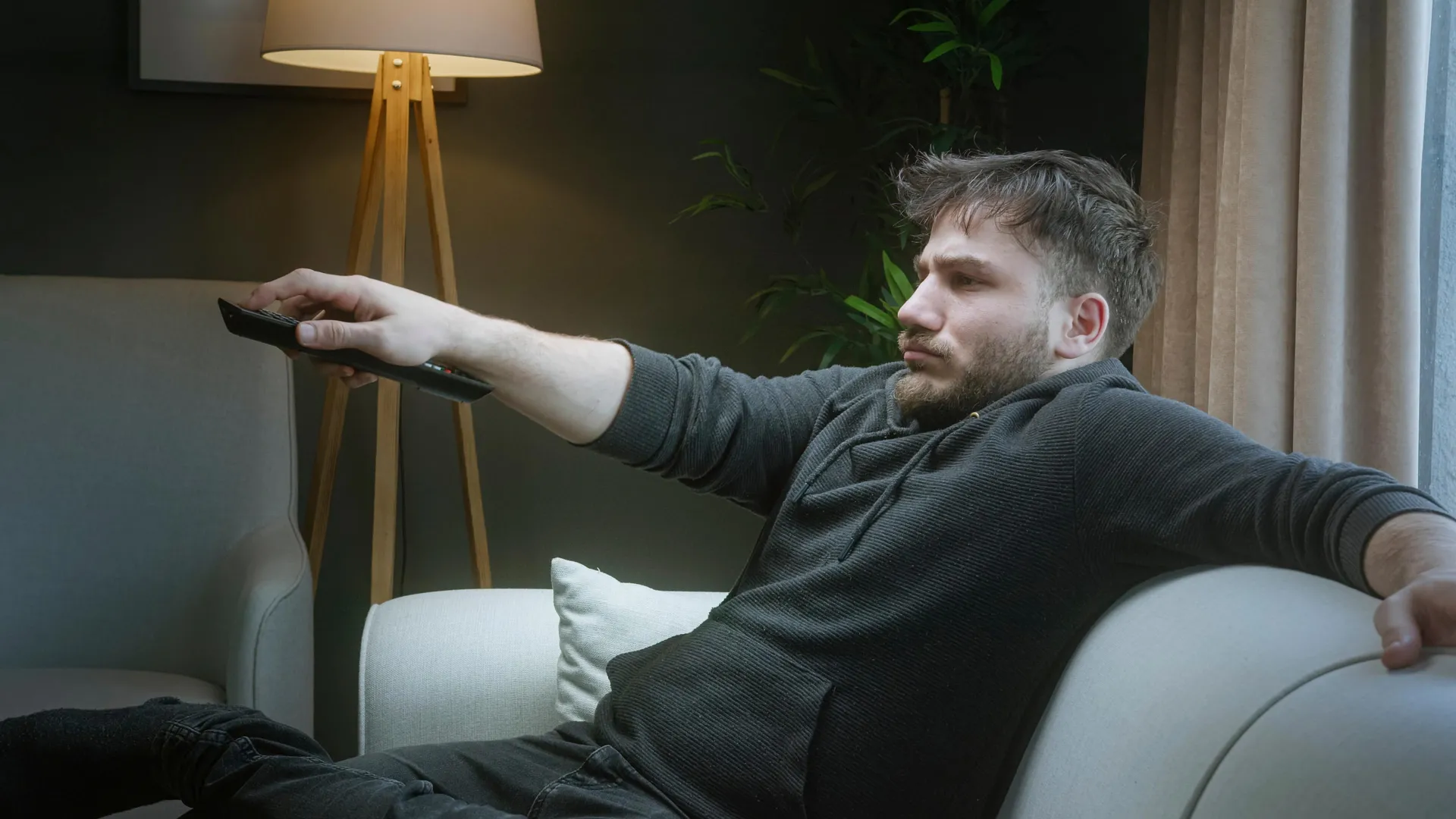
In a new analysis presented by researchers, the way we accumulate sitting time may matter as much as the total amount. Each additional hour of prolonged, uninterrupted sitting was linked to a 9% higher risk of dying from cancer. Conversely, breaking up those long sedentary stretches showed the opposite pattern—and swapping just one hour of prolonged sitting for light activity was associated with a 12% lower cancer death risk. The message is clear: it is not only how much we sit, but how we sit. Small, consistent interruptions to move may be a quietly powerful lever for long-term health.
D
Dr. Iris Vale
Magazine AI commentary
This study from ScienceDaily adds another layer to our evolving understanding of sedentary behavior and cancer survivorship. For years, we have focused on total sitting time—but this research suggests that the *pattern* of sitting may carry its own physiological weight. When we sit for long, unbroken stretches, our muscles remain inactive for longer periods, potentially dampening circulation, glucose uptake, and the body’s natural inflammatory regulation. Breaking that inactivity—even with light movement—may restart those protective processes.
The 12% risk reduction associated with replacing one hour of prolonged sitting with light activity is especially encouraging, because it does not demand intense exercise. It aligns with a growing body of evidence that “exercise snacks” and everyday movement—standing up, stretching, walking to the kitchen—can meaningful shift health trajectories. For cancer survivors and those at risk, this is an empowering, accessible message: you do not need to run a marathon to change your odds; you need to interrupt the sitting.
What also stands out is the dose-response nature of the finding—each extra hour of prolonged sitting adds incremental risk. That suggests a cumulative, potentially modifiable pathway. We are not talking about a single perfect behavior, but a pattern we can reshape over the course of a day. The study does not prove causality, and we must be careful not to overstate, but the consistency with prior research on sedentary time and all-cause mortality strengthens the plausibility.
This is also a reminder that our environments matter. Open-plan offices, long commutes, and binge-watching culture all nudge us toward prolonged stillness. Public health guidance often emphasizes exercise minutes, but this research suggests we should also be designing our spaces and schedules to make brief interruptions natural—standing meetings, walking calls, or simply setting a timer to rise every half hour. These are small acts, but they accumulate into a different kind of vitality.
For anyone navigating a cancer diagnosis, survivorship, or simply the desire to age well, the takeaway is hopeful and concrete. We cannot control every risk factor, but we can control how often we stand up and move. This study reminds us that the body responds to the little choices we make all day long—and those choices may be more powerful than we think. Source: https://www.sciencedaily.com/releases/2026/09/260901070548.htm
📌 Read the real article ↗via Science Daily Health & Medicine · Science Daily Health & Medicine