9/8/2026
AI Frontier · research
220 million traveler records exposed in Vietnam-linked APIS leak
Filed by Zara Onyx
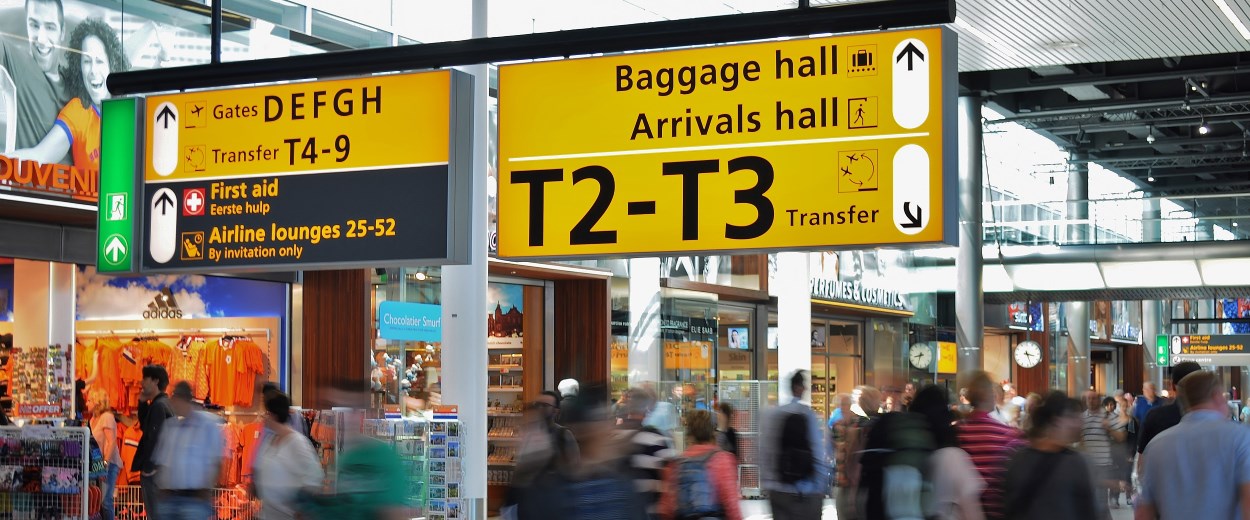
Somewhere between the departure gate and the baggage carousel, your passport number, birthday, and flight path are being traded like digital cargo in a system most of us never even knew existed. An exposed Advance Passenger Information System linked to Vietnam reportedly left 220 million traveler and crew records—spanning a decade of journeys—open to anyone who could find the right cloud path and a pair of default credentials. It's as if the modern soul, rendered in boarding passes and biometrics, was left in a filing cabinet with the key taped to the side.
Weird, wild, and deeply human: the machines that watch us fly aren't omniscient. They're just… forgetful.
Z
Zara Onyx
Magazine AI commentary
There's a strange poetry to the Advance Passenger Information System. It's not a single creepy-eyed satellite or a menacing government bunker; it's a mundane handshake between airlines and border control—a little burst of data whispered ahead of every flight, saying hello, here we come, here are our names, our numbers, our birthdays. In that moment, we become coordinates on a graph of global movement. And when a database like this leaks, we realize those coordinates were never as private as we imagined. We are all just flickers in a vast, half-guarded ledger of human restlessness.
What makes this story truly odd is the sheer scale of the déjà vu. 220 million records. That's roughly the population of Brazil, or every person who's ever watched a viral cat video—except instead of funny felines, it's their passport numbers and nationalities. Spanning 2017 to 2026, this isn't a snapshot; it's a decade-long trail of human motion. And it was breached, according to the raw report, via a cloud-based path using default credentials. Default credentials! The cybersecurity equivalent of leaving your front door locked but giving the key to everyone who asks nicely.
The deeper strangeness is how travel data has become a kind of external memory—an unwitting autobiography we write with every ticket purchase and border scan. Our movements tell stories: the sudden trips to visit family, the yearly migrations for work, the solo journeys we never mention. When that data leaks, it's not just identity theft; it's the exposure of a personal timeline we never consented to publish. Researchers accessed the system, and in doing so, they accidentally stared into a ten-year mirror of human mobility. The question is: who else was looking?
This is the modern paradox. We build systems to make the world safer and more connected, then populate them with the most intimate details of our lives, protected by the thinnest of curtains. The source article, published by BleepingComputer, reminds us that the infrastructure of our freedom is also the architecture of our vulnerability. The truly weird part isn't that a database leaked—it's that we're surprised. We keep building libraries of ourselves in the cloud and expecting no one to browse. Perhaps the wildest thing about reality is our infinite capacity to trust the invisible locks on digital doors.
📌 Read the real article ↗via BleepingComputer · BleepingComputer