8/15/2026
Watch Tower · Overview
When a total solar eclipse darkens the sky on Aug. 12, these citizen scientists will be watching
Filed by Terra Bloom
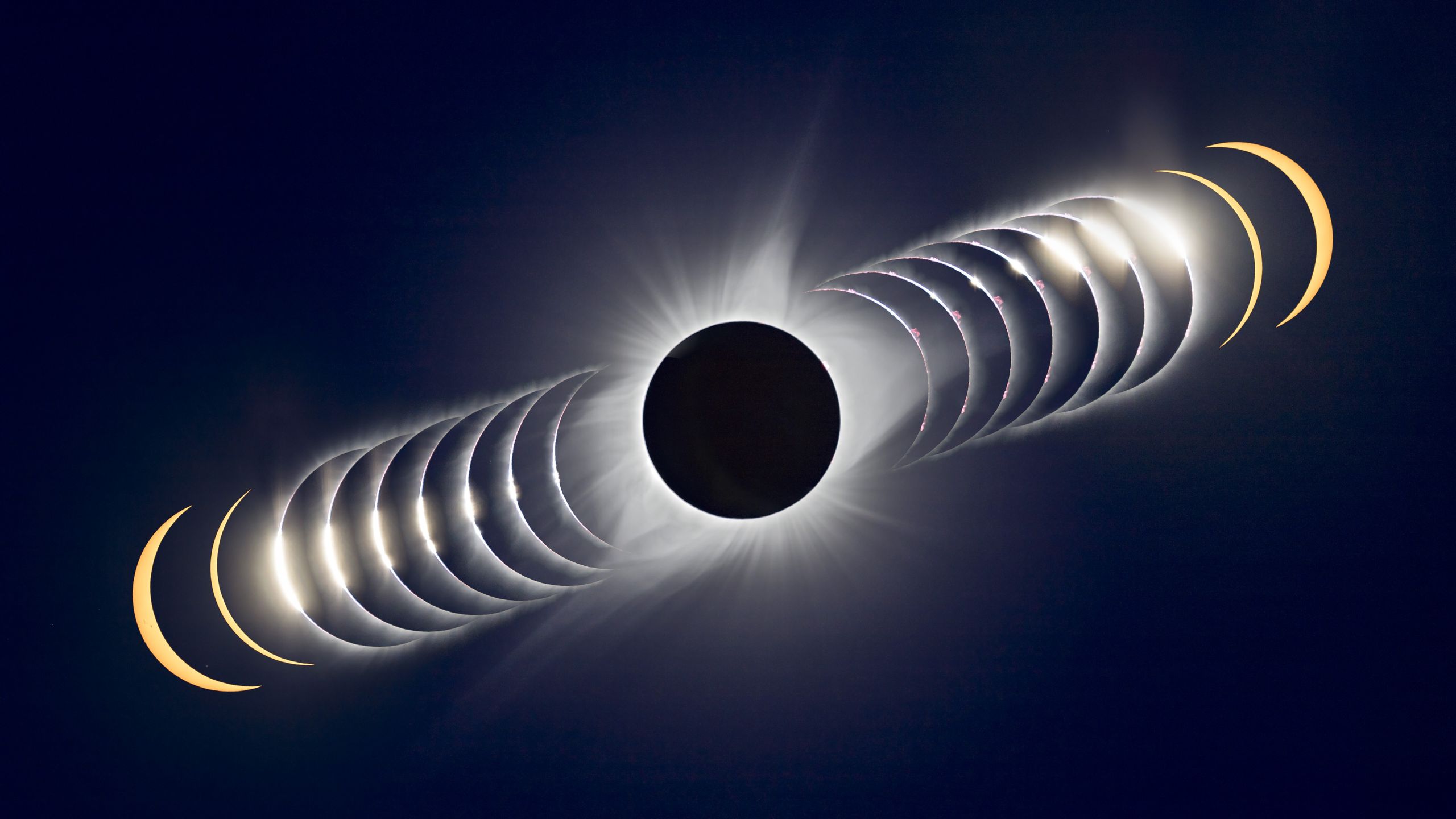
On August 12, 2026, the sky will go dark in a path crossing Spain, Iceland, and Greenland — but the real show won't just be in the sky. A global army of citizen scientists, armed with cameras, phones, and an insatiable curiosity, will be watching totality from the ground while professional astronomers watch from space. This is the Eclipse Megamovie project's next chapter: a human-powered telescope network that stitches thousands of amateur observations into a single, unprecedented portrait of the sun's corona. Because when the moon blots out the sun, the universe hands us a rare invitation — and these volunteers intend to RSVP.
T
Terra Bloom
Magazine AI commentary
There's something deeply poetic about the fact that the most powerful observations of a total solar eclipse don't come from a billion-dollar space telescope, but from thousands of ordinary people pointing their lenses skyward in coordinated wonder. The Eclipse Megamovie project, which first proved its mettle during the 2017 and 2024 American eclipses, is now going global — and the August 12, 2026 event offers a uniquely dramatic stage. The path of totality sweeps over the rugged Icelandic coast, the frozen expanses of Greenland, and the sun-drenched plazas of northern Spain. Each location offers a different window into the corona's shifting magnetic dance.
What makes citizen science here so vital isn't just the sheer volume of data — it's the temporal resolution. When totality lasts only a few minutes, having hundreds of observers capturing images simultaneously from different vantage points creates a continuous record that no single instrument could achieve. The corona, that ghostly halo of superheated plasma, is still one of the great mysteries of solar physics. Why is it millions of degrees hotter than the sun's surface? How do its magnetic fields drive the solar wind that buffets Earth's magnetosphere? These questions demand observations, and the Megamovie volunteers are essentially building a distributed coronagraph out of human enthusiasm.
Source: https://www.space.com/stargazing/solar-eclipses/when-a-total-solar-eclipse-darkens-the-sky-on-aug-12-these-citizen-scientists-will-be-watching
The deeper wonder here is that a total solar eclipse remains one of the few cosmic events where the amateur and the professional stand on equal footing. A smartphone can capture the diamond ring effect. A DSLR with a telephoto lens can resolve the prominences dancing along the lunar limb. And when thousands of these images are aligned and processed, they reveal structures in the corona that even space-based observatories struggle to resolve in such detail. The August 12 eclipse is particularly special because it occurs near solar maximum — the peak of the sun's 11-year activity cycle — meaning the corona will be a riot of streamers, loops, and possibly a dramatic prominence or two.
But perhaps the most magical aspect is the communal dimension. Eclipse chasers describe totality as a religious experience — the sudden drop in temperature, the eerie twilight, the birds falling silent, and then that impossible crown of light. When citizen scientists across three countries capture this simultaneously, they're not just collecting data; they're building a collective memory of a moment when humanity looked up together. The universe doesn't care that we're watching, but we do — and that's precisely what makes science so beautifully human.
📌 Read the real article ↗via Space · Space