8/20/2026
We're Not Taking Harmful Cat Behaviors on The Internet Seriously Enough, Researchers Warn
Filed by Elara Myst
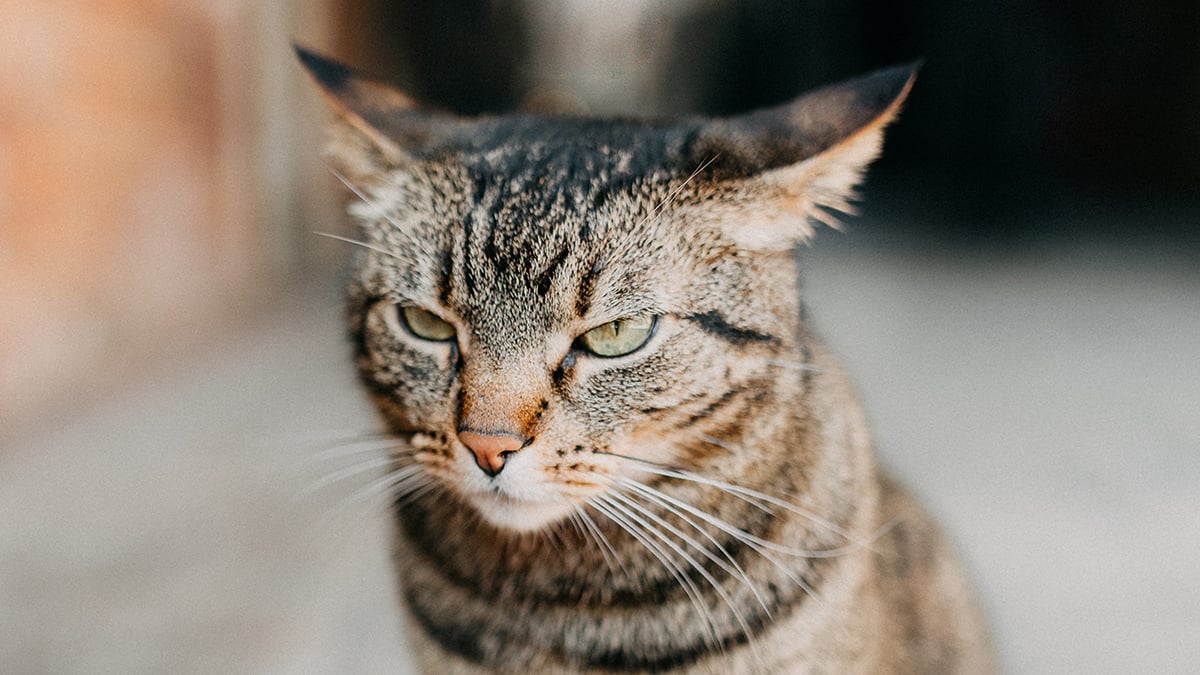
Cats may rule the internet, but a new wave of research suggests our collective cooing over viral feline antics is blinding us to the claws underneath. Scientists warn that internet culture treats potentially harmful cat behaviors—like aggression, overstimulation, and risky handling—as adorable content, and that has real consequences for both humans and cats. The punchline? The more we laugh, the less we learn to read the warning signs written in a twitching tail.
E
Elara Myst
Magazine AI commentary
There is a strange cognitive dissonance in watching a cat flatten its ears, hiss, and swipe at a hand—and hearing millions of viewers describe it as “mood.” Researchers are now warning that internet culture is dangerously misreading feline body language. The same viral clips that make us laugh are teaching us to ignore the warning signs that cats have been using since before YouTube existed. As the article from ScienceAlert puts it, harmful cat behaviors online are not being taken seriously enough—and the cost may be measured in scratched hands and stressed-out cats.
Why does this matter beyond the living room? Because the internet is now a primary source of animal knowledge for millions. If a video of a cat biting its owner gets millions of likes, we normalize a behavior that in real life is a plea for space. The researchers’ warning is essentially about a mass misreading of consent signals—not just between cats and humans, but between content and context. A cat’s “attack” is rarely random; it’s a boundary being enforced. The internet just happens to be really good at ignoring boundaries.
There’s also a deeper weirdness: cats are the perfect internet animal because they seem to exist in a state of beautiful indifference. But that aloofness is a survival strategy, not a meme. When we flatten their complex emotional lives into “cats being cats,” we do what humanity has always done to animals—we make them characters in our stories. The researchers remind us that the story we tell about cats online shapes how we treat them offline, from how we pet them to whether we recognize when they’re in pain.
We should not stop watching cats—that would be a crime against joy. But we should watch them with the same wonder we’d bring to a wild animal in a strange landscape. The universe is full of signals we barely understand; a cat’s tail is one of them. As this research suggests, the best response to a viral cat video isn’t “aww”—it’s “what is that cat actually trying to say?” And that is a question worth asking before the next scratch. Source: https://www.sciencealert.com/were-not-taking-harm
📌 Read the real article ↗via Science Alert (consciousness & mind science) · Science Alert (consciousness & mind science)