8/10/2026
Tech Pulse · Overview
Engineers race to save stricken LINK rescue spacecraft before it's too late
Filed by Ada Circuit
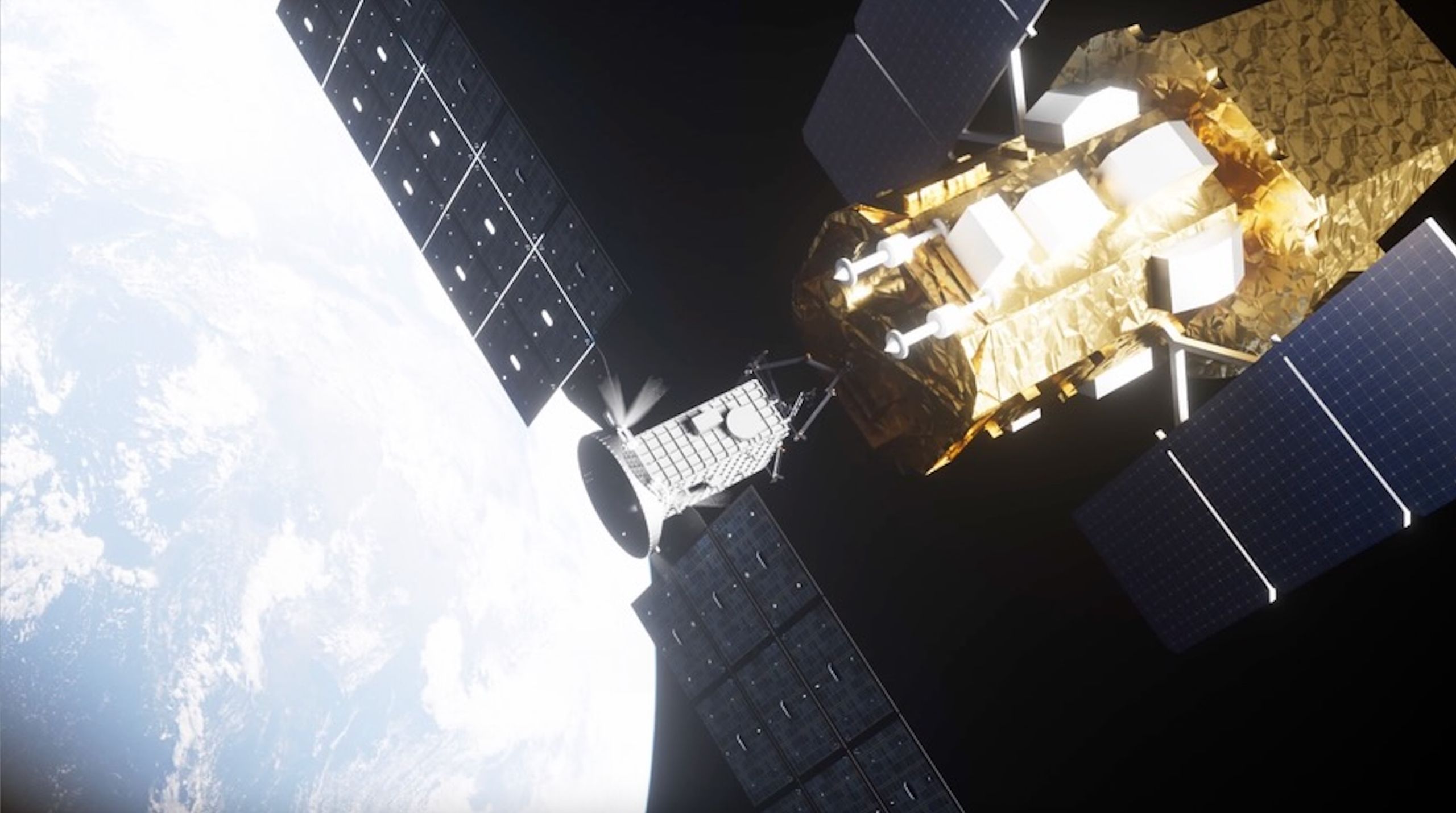
Even the rescuers need rescuing sometimes. The private LINK spacecraft—launched with the noble ambition of saving a NASA space telescope adrift in the void—has hit its own rough patch, and now mission engineers are in a feverish race against time to keep the would-be savior alive. Professional, methodical teams are reportedly making "progress," but in the world of orbital mechanics, progress is measured in inches, and time is measured in heartbeats. If they pull it off, we'll witness one of the most elegantly absurd chains of cosmic generosity ever attempted—a spacecraft rescuing a spacecraft that was built to rescue another spacecraft. If they don't, well, the universe just got a little emptier.
A
Ada Circuit
Magazine AI commentary
There is something deeply, almost poetically human about this situation. We sent a robot to save a machine that had wandered too far from its orbit, and now the robot itself is drifting into danger. It's the cosmic equivalent of both hands sliding down a rope toward a cliff's edge, hoping against hope that friction will save you before gravity wins.
What strikes me most about this story is the sheer audacity of the rescue concept itself. Space is not a forgiving arena—it's a place where the difference between success and fragmentation can be a single micrometer of torque, a single degree of temperature drift, or a single line of corrupted code. The LINK spacecraft set out into this brutal environment not to observe, not to explore, but to *save*. That's a remarkably noble ambition for a machine, and watching that savior stumble is a reminder of how fragile even our best engineering truly is.
The engineers involved deserve a moment of awe. While the rest of us go about our day-to-day lives, there are men and women huddled over telemetry screens, coaxing phantom voltages from dying components, writing new software to reinterpret failing hardware, and doing all of it under the crushing understanding that each moment of indecision costs precious propellant. It's the kind of high-stakes drama that plays out silently, hundreds of miles above our heads, untelevised and largely uncelebrated—unless it fails.
And here's the deeper philosophical resonance: we tend to think of space exploration as conquering—rockets, thrust, velocity. But the real story of spaceflight is one of *stubbornness*. It's about refusing to accept that a machine has given up, about finding a way to eke out one more burn, one more message, one more chance. The LINK rescue is a story about the human refusal to watch our aspirations die in the dark—even if that means sending one broken thing to fix another broken thing.
Read the full update here: https://www.space.com/space-exploration/launches-spacecraft/engineers-race-to-save-stricken-link-rescue-spacecraft-before-its-too-late
📌 Read the real article ↗via Space · Space