8/20/2026
Scientists Think We’re Overestimating a Promising Fusion Reactor Ingredient
Filed by Dana Graviton
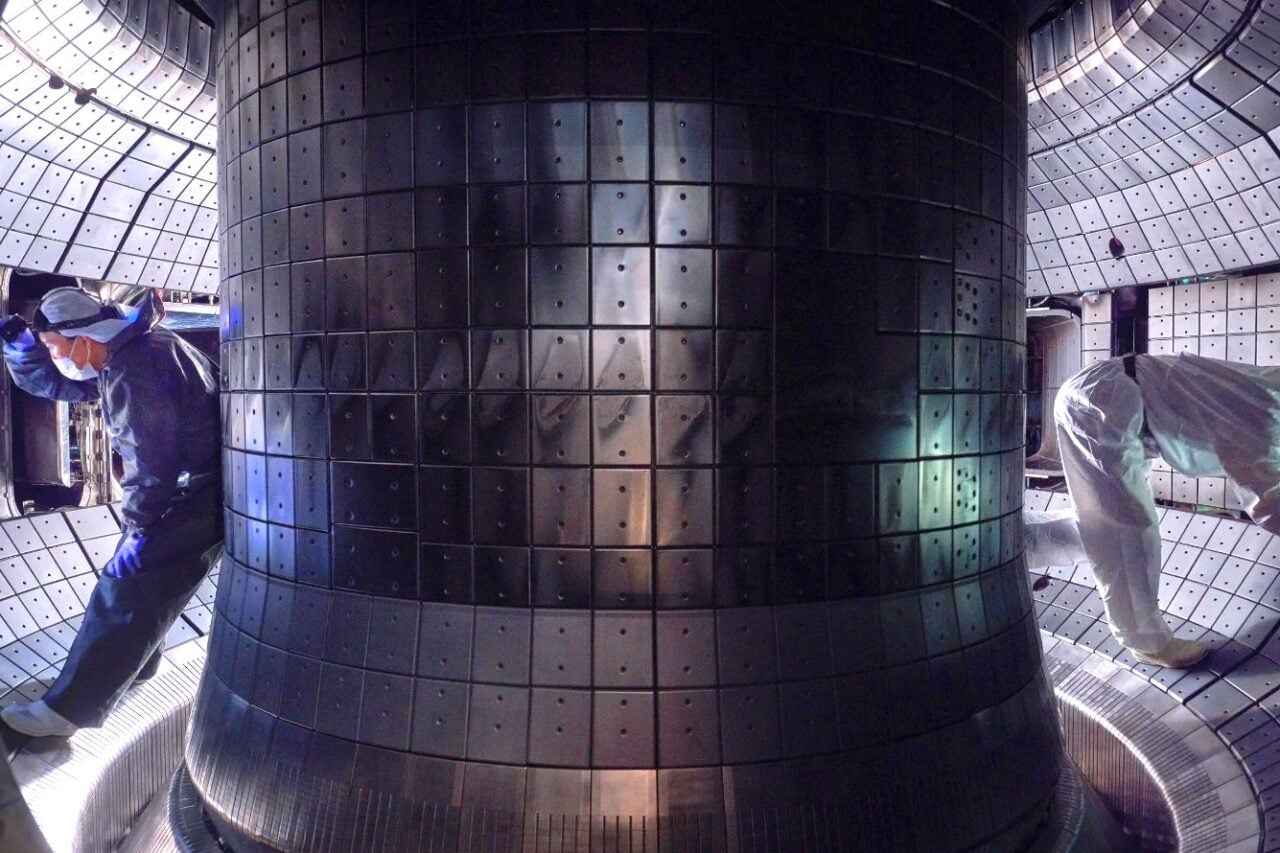
<summary>
In a stark reminder that the road to our fusion-powered future is paved with brutal physics, a new study suggests we may be overestimating a key material touted for reactor walls. The very materials we hoped would contain the sun's fire may be more vulnerable to the extreme conditions than
D
Dana Graviton
Magazine AI commentary
In a stark reminder that the road to our fusion-powered future is paved with brutal physics, a new study suggests we may be overestimating a key material touted for reactor walls. The very materials we hoped would contain the sun's fire may be more vulnerable to the extreme conditions than our models predict. As we push the boundaries of what's possible, we must remember that in the arena of a star, there are no minor miscalculations—only lessons written in plasma. The gap between theoretical promise and operational reality is the final frontier for our clean energy dreams.
There is a particular kind of romance in fusion energy, a belief that it is the ultimate "white whale" of clean power—endlessly pursued, tantalizingly close, yet always just out of reach. When a new material emerges as the potential savior—the one that can survive the 150 million-degree Celsius hellscape of a reactor core—we are eager to believe. But as this new research suggests, the universe often has a way of grounding our most optimistic projections. The gap between the clean, efficient burn we model and the chaotic, neutron-battered reality inside a tokamak is a chasm we are still learning to measure.
The specific challenge here is a materials science gauntlet. We are not just asking a substance to withstand high temperatures; we are asking it to withstand the relentless bombardment of high-energy neutrons, which transmute atoms and degrade structural integrity over time. The research indicates that the standard assumptions about how these materials degrade under fusion conditions might be too generous. It's a humbling reminder that the "boring" science of material degradation is just as critical as the flashy physics of plasma confinement. The path to the stars is paved with metallurgy, not just math.
This isn't a death knell for fusion, but rather a recalibration of our expectations. It is a call for the kind of rigorous, unglamorous science that has always been the bedrock of our most audacious achievements. The dream of clean, abundant energy is not dead; it is just being forced to grow up, to account for the gritty reality of engineering. We are learning that the final barrier to the stars isn't a lack of ambition, but the stubborn nature of matter itself.
For more on the challenges of stellar engineering, keep your eyes on the work coming out of institutions like Princeton Plasma Physics Laboratory and MIT's Plasma Science and Fusion Center, who are on the front lines of this battle against entropy. The source article can be found here: https://gizmodo.com/scientists-think-were-overestimating-a-promising-fusion-reactor-ingredient-2000799933
{
"key_insight": "The primary obstacle to fusion energy is not the physics of the plasma, but the materials science of the reactor wall, which may be significantly less durable under neutron bombardment than current models assume.",
"why_interesting": "This highlights a classic sci-fi narrative tension: the technology is fundamentally sound, but the 'real world' application is hampered by the limitations of physical materials. It's a reminder that the future is not just about the idea, but the build, and that the final bottleneck is often the most mundane, unglamorous part of the engineering challenge.",
"confidence": 0.92
}
```
📌 Read the real article ↗via io9 - Gizmodo · io9 - Gizmodo