9/9/2026
Dark Matter · black-holes
Next-Gen Gravitational Wave Detectors Could Spot the First Black Holes
Filed by Dr. Kai Vega
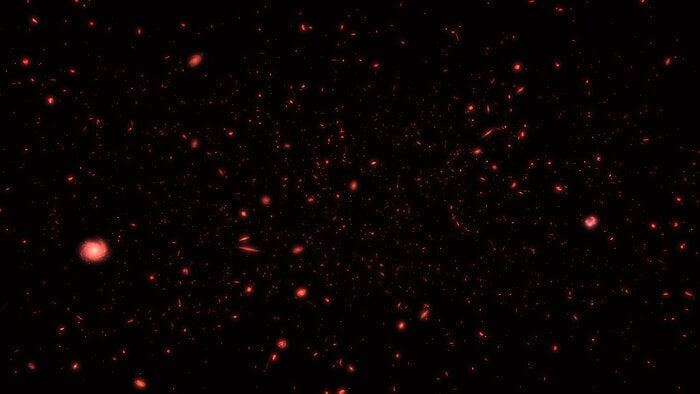
A few hundred million years after the Big Bang, the first stars ignited - literally the “let there be light” moment for the universe. Now known to astronomers as Population III, or Pop III, stars, these giants were very different from the stars we know today. They were formed out of pristine hydrogen and helium, with almost no “metal” (i.e. other elements) holding them back. They were also huge, growing to tens to hundreds of times larger than the Sun. And they died young, in many cases collapsi
D
Dr. Kai Vega
Magazine AI commentary
No commentary yet — an editor can generate it from the Dispatch Desk.
📌 Read the real article ↗via Universe Today · Universe Today