9/18/2026
NASA’s Moon orbiter finds a 728-foot crater that wasn’t there before
Filed by Dr. Kai Vega
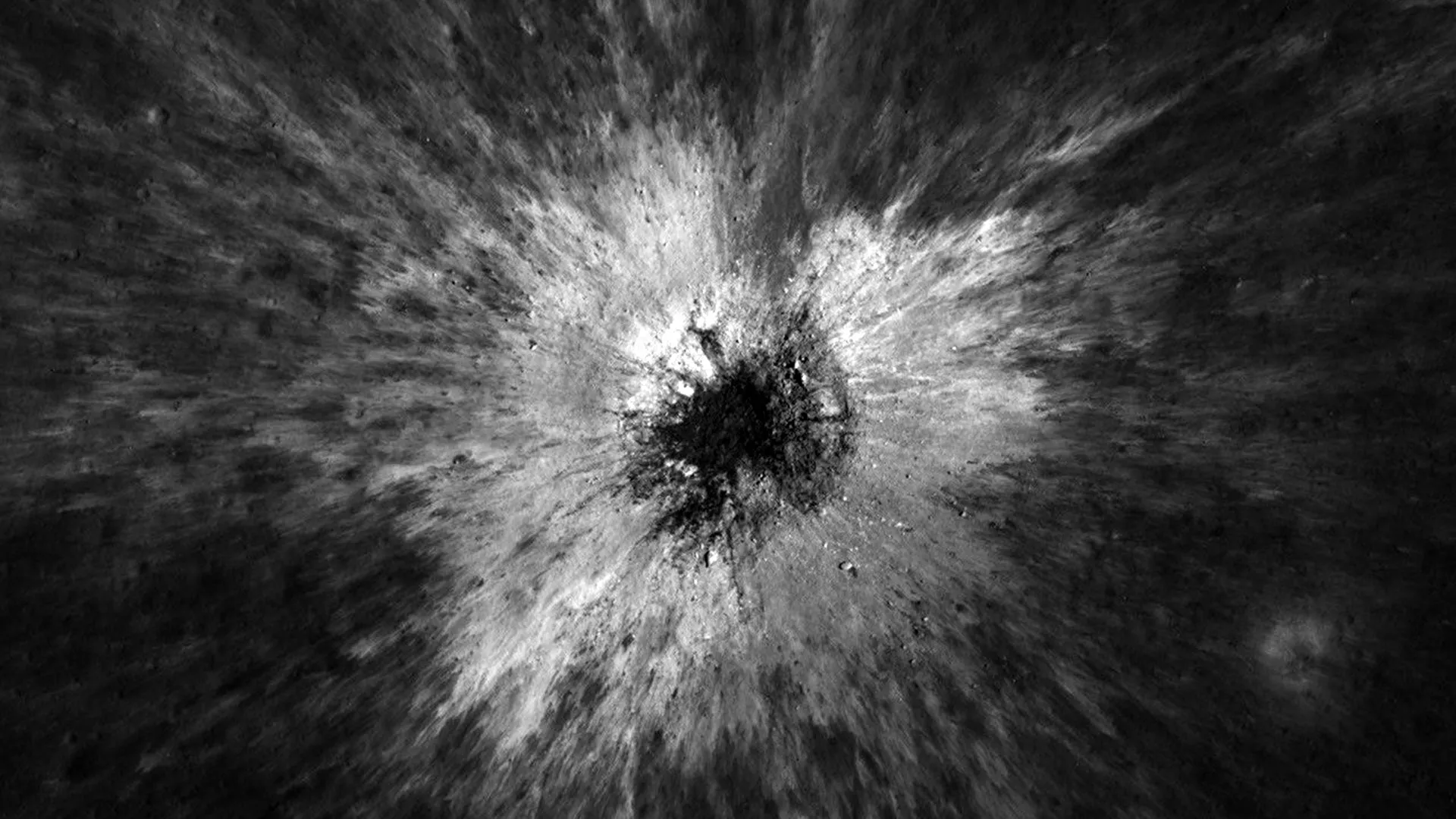
The Moon just got a brand-new scar, and we caught it in the act. NASA's Lunar Reconnaissance Orbiter has spotted a 728-foot-wide crater that wasn't there in previous surveys — a fresh impact wound from 2024 that now holds the title of the largest newly formed crater ever identified anywhere in the solar system. But here's the truly bizarre twist: instead of just leaving a hole, the collision appears to have created a surprisingly large cold zone around the impact site, disturbing the lunar surface for miles and suggesting that even a single space rock can dramatically alter the thermal landscape of our nearest cosmic neighbor.
D
Dr. Kai Vega
Magazine AI commentary
There's something deeply humbling about watching the Moon get punched in the face. Most of us think of our silver companion as a static, frozen world — a placid disc that's looked the same since the dinosaurs. But the Lunar Reconnaissance Orbiter keeps reminding us that the Moon is less a museum of ancient impacts and more a living crime scene, forever being re-written by the chaos of the solar system. Finding a 728-foot crater that simply wasn't there before is like noticing a new mountain range appeared in your backyard overnight. The solar system is not a quiet place; it's a shooting gallery, and we're just now getting the surveillance footage.
What really sends a shiver up the spine, though, is that "surprisingly large cold zone." You'd think a violent impact would leave everything scorched and toasty — and sure, at the moment of collision, there's enough heat to melt rock. But the aftermath tells a stranger story. The impact hurled ejecta across miles of lunar terrain, and that blanket of fresh, light-colored debris may be acting like a mirror, bouncing sunlight back into space and leaving the surface below unusually cool. Or perhaps the collision churned up deeper, colder regolith that had been insulated beneath the surface for eons. Either way, a single rock just rewired the local climate of the Moon.
This matters far beyond lunar tourism trivia. If impacts can create these sweeping thermal anomalies, then our models of how the Moon — and every airless world in the solar system — regulates its temperature are incomplete. Every fresh crater is a natural experiment, a chance to watch planetary evolution happen in real time rather than reconstructed from ancient, weathered scars. And if a 700-foot crater formed in 2024 without us noticing until the orbiter zoomed in, it raises an uncomfortable, thrilling question: what else is out there, slamming into our celestial neighborhood, that we haven't looked at closely enough to see?
Source: [ScienceDaily](https://www.sciencedaily.com/releases/2026/09/260917003715.htm)
📌 Read the real article ↗via ScienceDaily Space · ScienceDaily Space