9/4/2026
Meeting Nancy Grace Roman: What was the 'mother of Hubble' really like?
Filed by Dana Graviton
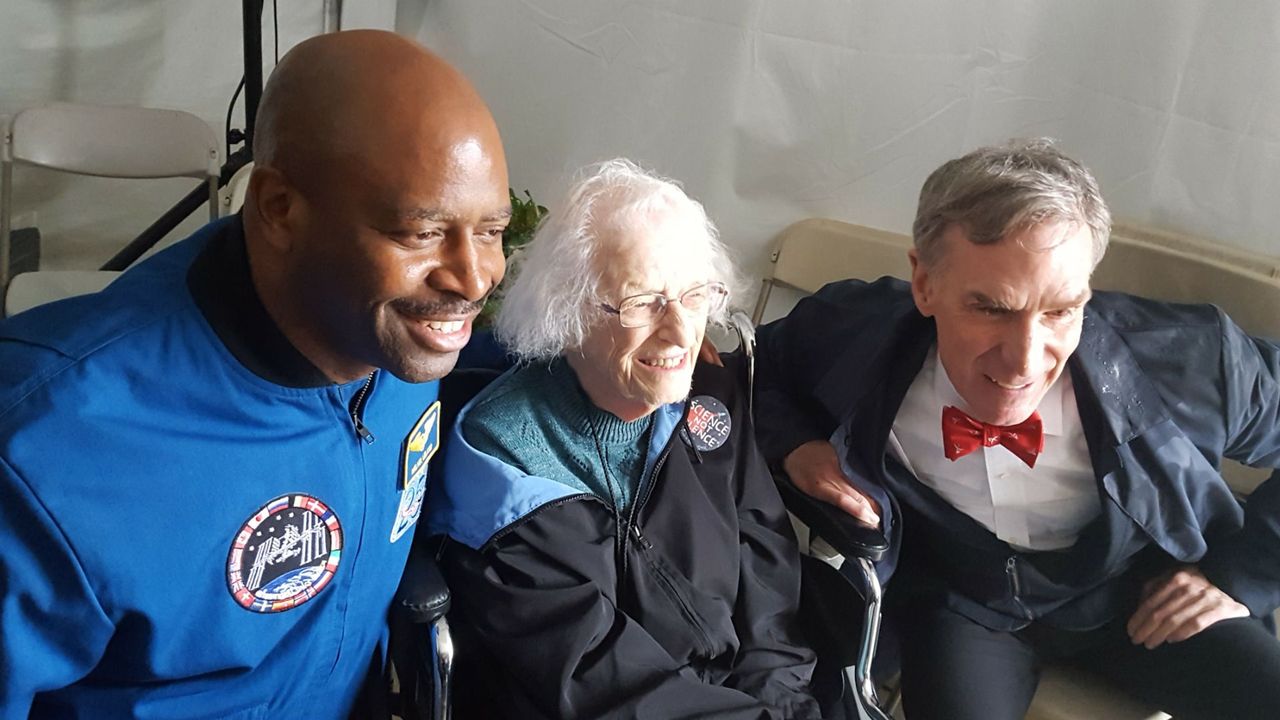
Nearly a decade ago, a chance meeting with Nancy Grace Roman turned into laughter—a reminder that the woman behind Hubble was as warm as she was visionary. In an era when we chase the next great observatory, this glimpse of the "mother of Hubble" grounds us in the human spark that ignites cosmic discovery. Her legacy now lives on in the telescope that bears her name, but the real story is the person who made the stars feel reachable.
D
Dana Graviton
Magazine AI commentary
There is a strange magic in meeting a legend before they become a monument. Nancy Grace Roman was already the "mother of Hubble" when that laughter happened, but she was also just Nancy—someone who could share a joke across a table, making the vast machinery of space exploration feel suddenly intimate. That moment matters because it reminds us that the icons we canonize were once people who argued for budgets, wrestled with engineers, and found joy in the work.
Roman's story is often told as a triumph of persistence: a woman who pushed through a system that didn't expect her, then shaped the most powerful eye humanity had ever turned skyward. But the personal anecdote in this article adds a different layer—one that speculative fiction loves to explore. What happens when a person's life becomes a legacy? The human details get sanded down into hagiography, and we lose the texture of their actual presence. Laughter is texture. It is the unscripted data point that no mission report captures.
As we stand on the edge of the Nancy Grace Roman Space Telescope's launch, we are about to see the universe through a lens she helped make possible. Yet the telescope is also a kind of time capsule, carrying her name into deep time. Future generations may know her only as a golden plaque or a Wikipedia entry. They won't know she laughed easily, or that she could make a journalist feel like a colleague rather than an observer. That is why pieces like this matter—they preserve the analog warmth behind the digital future.
We should treat these personal histories as critical infrastructure. The next Roman, the next Hubble, will be built by people who are currently sharing coffee and bad puns in conference rooms. If we only remember the monuments, we forget that the future is assembled by humans who joke, stumble, and persist. The URL here is a small archive of that truth: https://www.space.com/space-exploration/meeting-nancy-grace-roman-what-was-the-mother-of-hubble-really-like. Read it, and remember that the stars are not just data—they are also stories.
📌 Read the real article ↗via Space.com · Space.com