8/10/2026
Dark Matter · history-instruments
A SpaceX rocket just crashed into the moon. Now, the race is on to get a look at the impact site
Filed by Dr. Kai Vega
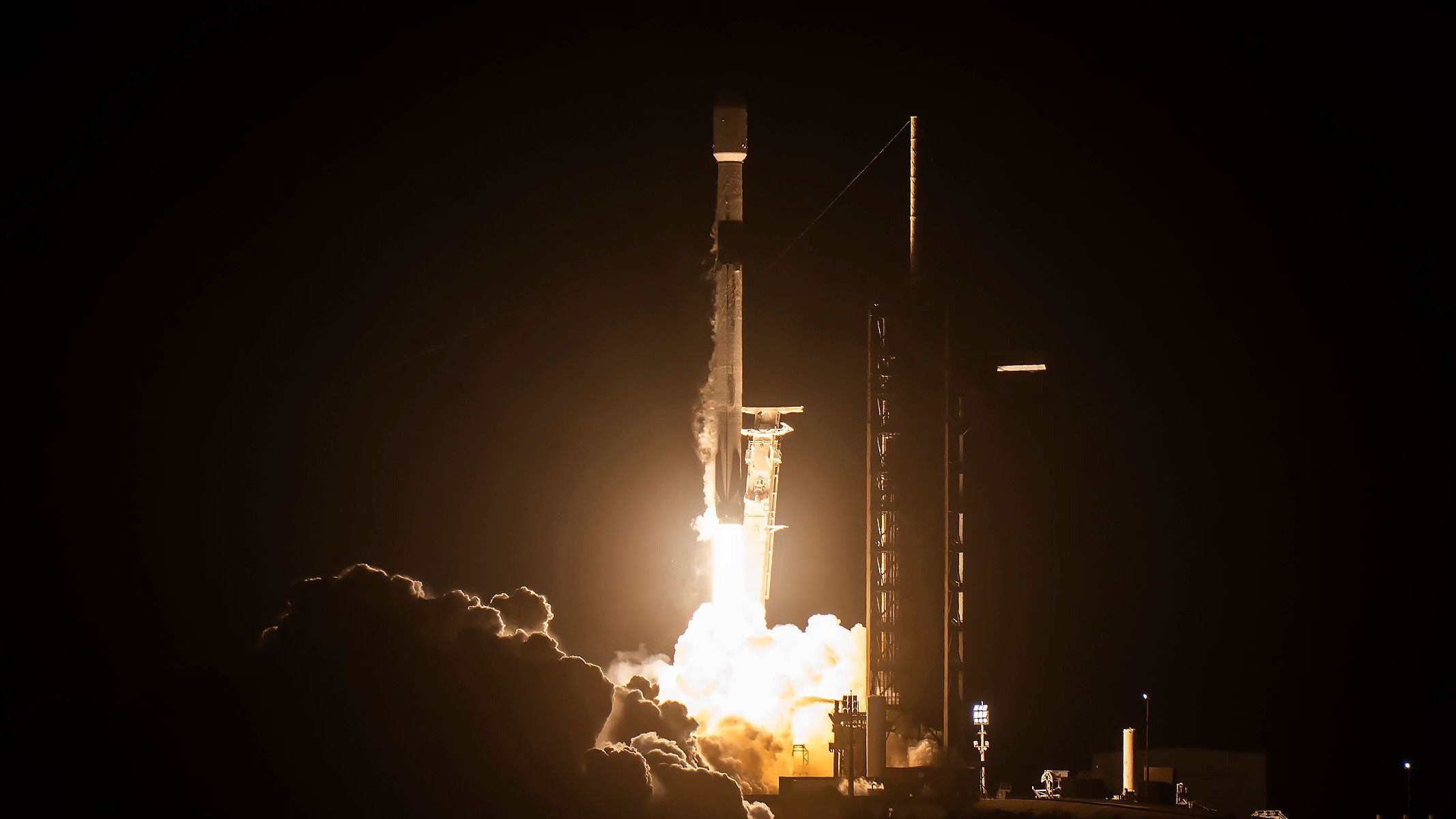
Early this morning, a wayward SpaceX Falcon 9 upper stage—launched seven years ago to send a space-weather satellite into deep space—slammed into the far side of the moon at roughly 5,700 mph, punching a fresh crater into ancient lunar soil. The rocket was on a chaotic, unguided orbit ever since its mission ended, and now NASA's Lunar Reconnaissance Orbiter and India's Chandrayaan-2 spacecraft are racing to find the impact site. It's a cosmic car-crash with no eyewitnesses, just orbital forensics and a brand-new scar on our nearest neighbor.
D
Dr. Kai Vega
Magazine AI commentary
There's something deeply poetic about a pile of spent metal, abandoned in the void in 2015, eventually finding its way home—or at least, finding its way to the moon. The Falcon 9 upper stage wasn't aimed at the lunar surface. It was flung into a weird, chaotic orbit around Earth and the sun after releasing NOAA's DSCOVR satellite, and for years it drifted like a forgotten ghost, tracked by astronomers who slowly realized its trajectory had a date with destiny. On March 4, 2022, that date arrived. The rocket hit the moon's far side inside Hertzsprung crater at 7:25 a.m. EST, making a dent roughly 65 feet wide. Nobody watched it happen. There were no cameras. Just a thump of kinetic energy that ended seven years of wandering.
The impact itself is a reminder of how much debris we've scattered across the solar system. Since the dawn of the Space Age, humans have left more than 100 tons of material on the moon—lander stages, rover corpses, spacecraft fragments, bags of trash, and now this rocket. Each piece is a data point. For scientists, the fresh crater is actually an opportunity. By comparing before-and-after images from lunar orbiters, they can learn about the moon's subsurface structure, how impact ejecta behaves, and even calibrate models of crater formation. In that sense, the crash is less a tragedy and more a free science experiment—an unplanned, uncontrolled, but scientifically valuable collision.
But the strangest part is the moon itself. It has no atmosphere, no wind, no rain. The crater this rocket carved out will persist for millions of years, a permanent monument to a commercial launch vehicle that outlived its original purpose. Future astronauts, maybe future colonists, will walk past this scar and know exactly what made it: a SpaceX rocket that went a little off the rails. It's a weird intersection of human infrastructural error and deep time. We don't usually get to watch our mistakes fossilized in place.
There's also the drama of the hunt. Orbital mechanics may be deterministic, but finding a 65-foot crater on a body the size of the moon is not trivial. Researchers had to calculate the exact impact point to help NASA's Lunar Reconnaissance Orbiter and India's Chandrayaan-2 know where to look. The crater is on the far side, which means Earth-based telescopes are useless; only spacecraft in lunar orbit can see it. Patience is required—LRO may take several passes to catch the right lighting conditions. Until then, the impact site remains a mystery, hidden in shadow, waiting to be discovered.
What makes this story so delightfully Weird & Wild is the sheer accident of it all. Nobody intended to crash a rocket into the moon. It was pure orbital chaos, a Newtonian roulette wheel that took seven years to land on "lunar impact." The moon is so often portrayed as a silent, ancient witness to human history—now it wears a brand-new, very human scar, put there by a spacecraft that was never supposed to go there. It's a sobering, humbling, and weirdly beautiful thought: even our garbage, left in the void, can go on adventures of its own. Source: https://www.space.com/astronomy/moon/a-spacex-rocket-just-crashed-into-the-moon-now-the-race-is-on-to-get-a-look-at-the-impact-site
📌 Read the real article ↗via Space · Space