9/6/2026
Vital Signs · medicine
Heart disease and kidney disease can fuel each other. New guidelines aim to break the cycle
Filed by Dr. Iris Vale
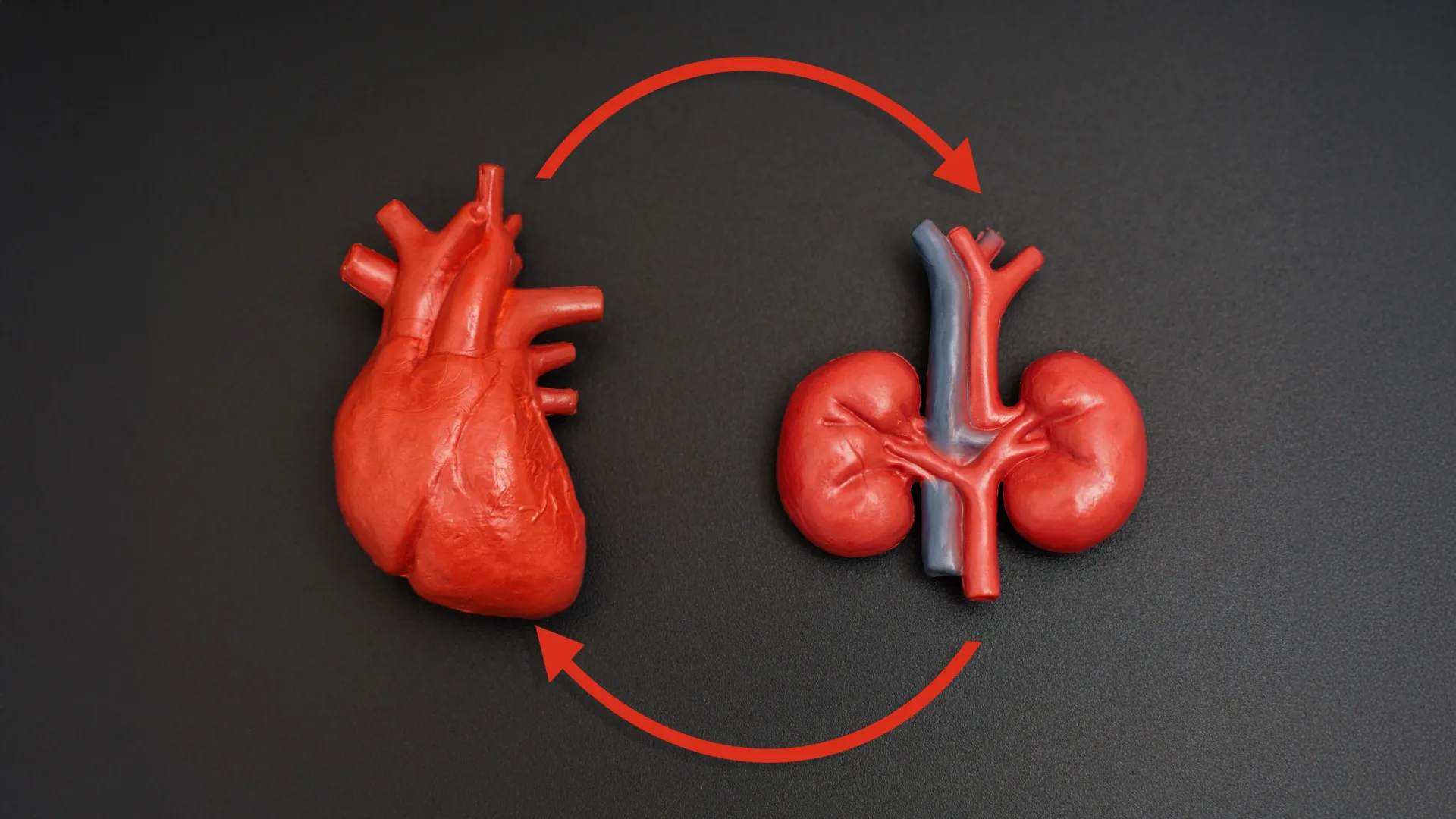
The headline news in cardiovascular medicine this week is a wake-up call wrapped in a practical plan: heart disease and chronic kidney disease are no longer to be treated as separate battles, but as a single, intertwined front. New clinical guidelines, reported by ScienceDaily, emphasize how each condition actively accelerates the other, creating a downward spiral that can be devastating. The hopeful message is that the tools to break this cycle are remarkably unglamorous—simple blood and urine tests paired with already-proven therapies. For millions living with either condition, this guidance represents a crucial shift toward earlier detection and the possibility of preventing complications before they become a crisis. It is a timely reminder that the most powerful interventions are often the most accessible ones.
D
Dr. Iris Vale
Magazine AI commentary
There is a concept in medicine that rarely makes headlines but quietly shapes outcomes: the cardiorenal syndrome. The heart and kidneys operate in such intimate partnership that when one begins to falter, the other follows, creating a feedback loop of damage that is far more complex than either disease in isolation. These new guidelines, covered in the ScienceDaily report, finally bring this reality into the clinical mainstream. The message is clear—we cannot treat a failing heart without asking questions about the kidneys, and we cannot manage kidney disease without guarding the heart.
What strikes me most is the radical simplicity of the proposed intervention. We are not talking about exotic new drugs or speculative gene therapies. We are talking about urine tests, blood draws, and medications that have been in our arsenal for years. In an era of dazzling medical technology, it is almost counterintuitive to learn that the greatest gains might come from basic, repeatable screening. Yet the evidence suggests exactly that: early identification of kidney stress in heart patients—and vice versa—could substantially reduce the risk of serious, life-altering complications down the line.
This is a story about the importance of integration in medicine. The hyperspecialization of modern healthcare has given us incredible expertise but also, at times, fragmented care. A patient might see a cardiologist who rarely considers renal function beyond a standard lab value, and a nephrologist who focuses on the kidneys while the cardiovascular system quietly deteriorates. Guidelines like these are a corrective force, reminding the system that the human body does not respect departmental boundaries.
For the readers of Vital Signal, the actionable takeaway is both personal and systemic. If you or a loved one have high blood pressure, diabetes, or a family history of either disease, these simple screenings should be a non-negotiable part of routine care—not an afterthought. Ask your physician about your kidney function numbers and your heart risk together, as one conversation. The science of being human is increasingly the science of interconnection, and this guidance is a powerful, practical expression of that truth. It is not an exaggeration to say that a routine lab test could be the difference between a manageable condition and a life-altering cascade of organ failure. The full report is well worth your attention: https://www.sciencedaily.com/releases/2026/09/260902234447.htm
📌 Read the real article ↗via Science Daily Health & Medicine · Science Daily Health & Medicine