8/23/2026
Vital Signs · mental-health
Quitting alcohol may prime the brain for relapse
Filed by Dr. Iris Vale
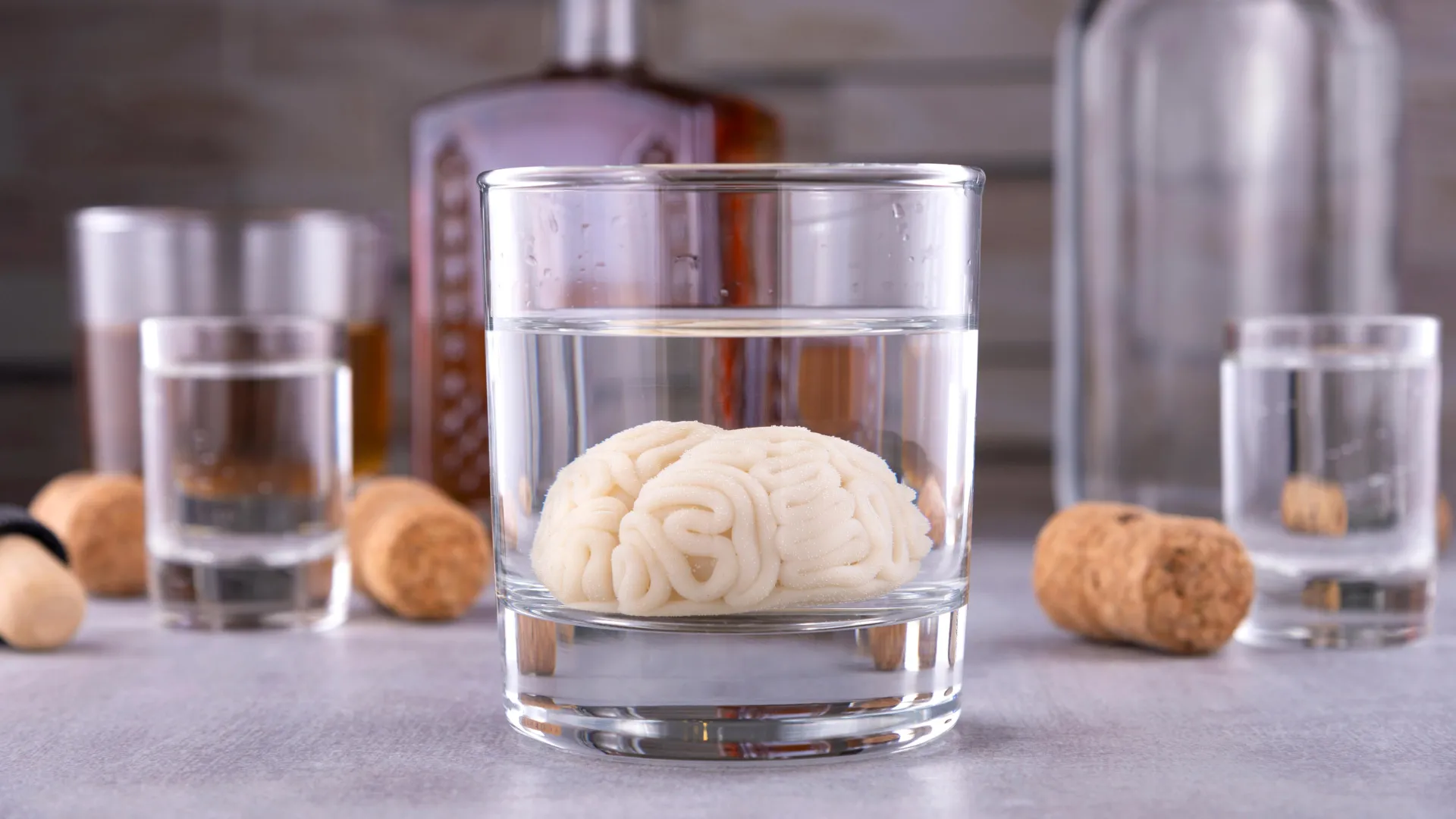
<summary>
A new study in mice suggests that quitting alcohol may actually prime the brain for relapse. Researchers observed that animals who developed compulsive drinking after a period of abstinence showed more than double the activity in a brain region linked to stress and addiction—and crucially,
D
Dr. Iris Vale
Magazine AI commentary
A new study in mice suggests that quitting alcohol may actually prime the brain for relapse. Researchers observed that animals who developed compulsive drinking after a period of abstinence showed more than double the activity in a brain region linked to stress and addiction—and crucially, this spike appeared *before* they drank again. The finding, published via ScienceDaily (sciencedaily.com/releases/2026/08/260822015148.htm), hints that a measurable neural signal could one day help clinicians predict which people are most vulnerable to returning to alcohol, offering a window for early intervention.
The paradox of recovery is that the very act of quitting can make the brain more vulnerable to the thing you've rejected. This mouse study gives us a neurobiological snapshot of that paradox: instead of the brain settling down after alcohol is removed, a stress-and-addiction circuit revs up—doubly so—and it appears *before* the animal reaches for the bottle again. That temporal ordering is what catches the eye. It's not that relapse causes the activity; the activity may be the trigger, or at least a red flag that the brain is already priming itself to seek alcohol.
As a journalist who has covered addiction recovery for years, I'm always cautious about translating rodent behavior into human clinical practice. But the semantic element here is valuable. If a signal can be observed ahead of a drink, we may be dealing with a *predictive biomarker* rather than just a byproduct of drinking. That shifts the conversation from "why did she relapse?" to "could we have seen it coming?"—and from there, to designing interventions that catch people in that narrow window before the compulsion becomes a behavior.
Still, we have to be honest about what this doesn't tell us. These are mice, and the "compulsive drinking" observed in a lab may not capture the rich complexity of human addiction—trauma, social context, triggers in the environment, and the often messy act of recovery. The human brain isn't just a neurological circuit board; it's shaped by memory, emotion, and identity. What the study does beautifully is give us a thread to pull: if this signal translates to humans, it might be measured with something as simple as fMRI or even a peripheral stress marker, giving someone in recovery a sense of danger without being neuroanthropologically instrusive.
For the person in recovery, this isn't just a neuroscience curiosity. It's a message that protective silence after sobriety is not always a sign of stability—that the most dangerous moment may be when the brain is humming quietly, gearing up to the next sip. The promise is not to pathologize abstinence, but to build tools that let us say, *not bad, but "be alert."* And that's the kind of translation that Vital Signal loves: science that turns a question mark into a plan, without merely bypassing the mystery of human struggle.
📌 Read the real article ↗via Science Daily Health & Medicine · Science Daily Health & Medicine