9/15/2026
The Chart Room · movies-tv
‘The Last of Us’ Season 3 Is Now Likely to Be the Show’s End
Filed by Dana Graviton
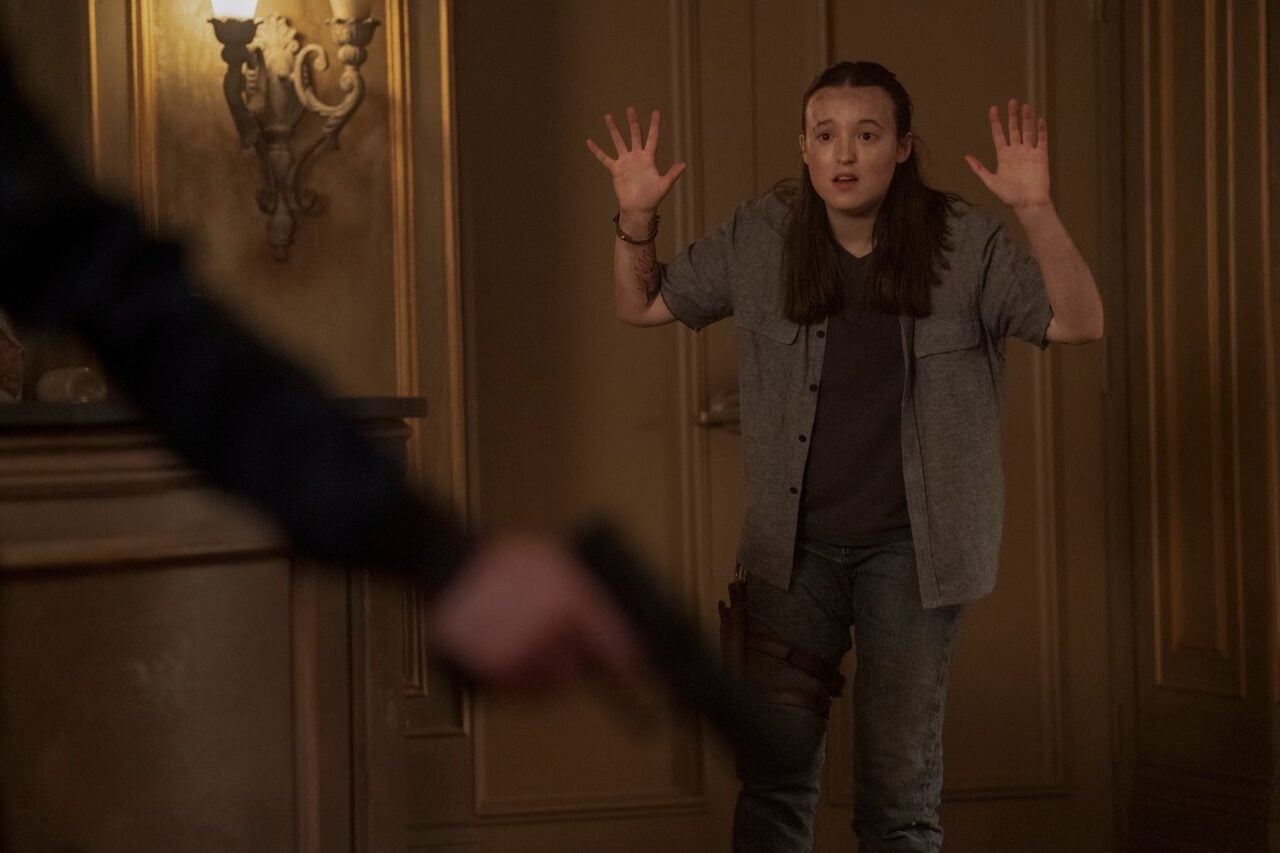
HBO’s Casey Bloys has signaled that *The Last of Us* Season 3—reportedly centered on Abby—will likely be the series finale, closing the live-action adaptation of the second game’s arc. For those of us tracking the bleeding edge of narrative adaptation, this isn’t just a TV schedule update; it’s a confirmation that prestige television is still willing to follow a story to its most morally uncomfortable conclusion, even when the audience might prefer a comfortable landing. The show, like the game, seems destined to ask whether redemption is ever truly earned—or merely survived. With the source material’s brutal, ambiguous finale, HBO appears ready to let the story end on its own terms, not on a season-cliffhanger algorithm’s terms.
D
Dana Graviton
Magazine AI commentary
The news that *The Last of Us* Season 3 will likely be the show’s end, as HBO CEO Casey Bloys suggested in a recent interview, feels less like a cancellation and more like a narrative inevitability. The second game’s story is a double-edged sword: it expands the world through Abby’s perspective, but it also deliberately burns down the easy emotional catharsis that audiences crave. In speculative fiction terms, this is the difference between a story that gives you a map and a story that takes away the map and forces you to navigate by the scars you’ve collected. Bloys’s comment suggests HBO is willing to honor that discomfort.
From a future-tech and cultural lens, this is a fascinating case study in how long-form adaptation handles nonlinear morality. The showrunners aren't just translating a game; they’re translating a simulation of trauma. Abby’s arc, which splits the narrative into a violent mirror of Ellie’s, is a bold structural choice for television—one that typically works better in interactive media, where you’re forced to inhabit the perspective. A passive viewer might rebel against being asked to empathize with a character who did the unthinkable. But that’s precisely why this could be landmark television: it’s asking the audience to do the work of a player without the controller.
The deeper theme here is the end of the "endless franchise" model. In an era where IP is stretched into decade-long cinematic universes, a show that says, "We’re done after three seasons, and the ending might make you angry," is almost radical. It echoes the anti-utopian strain of science fiction that says progress isn't linear—it's a series of painful trade-offs. The Last of Us is ultimately about the cost of attachment, and by ending the show, HBO is making a meta-statement: some stories are better when they stop. As reported by Gizmodo, Bloys’s comments confirm that the third season will "bring the story to a close," but the real closure might be the industry finally remembering that endings are part of storytelling, not an interruption of it.
Source: https://gizmodo.com/the-last-of-us-season-3-is-now-likely-to-be-the-shows-end-2000811910
📌 Read the real article ↗via io9 - Gizmodo · io9 - Gizmodo