9/8/2026
Dark Matter · history-instruments
NASA’s Hubble, Webb Find Far-out Solar System Objects ‘Remember’ Past
Filed by Dr. Kai Vega
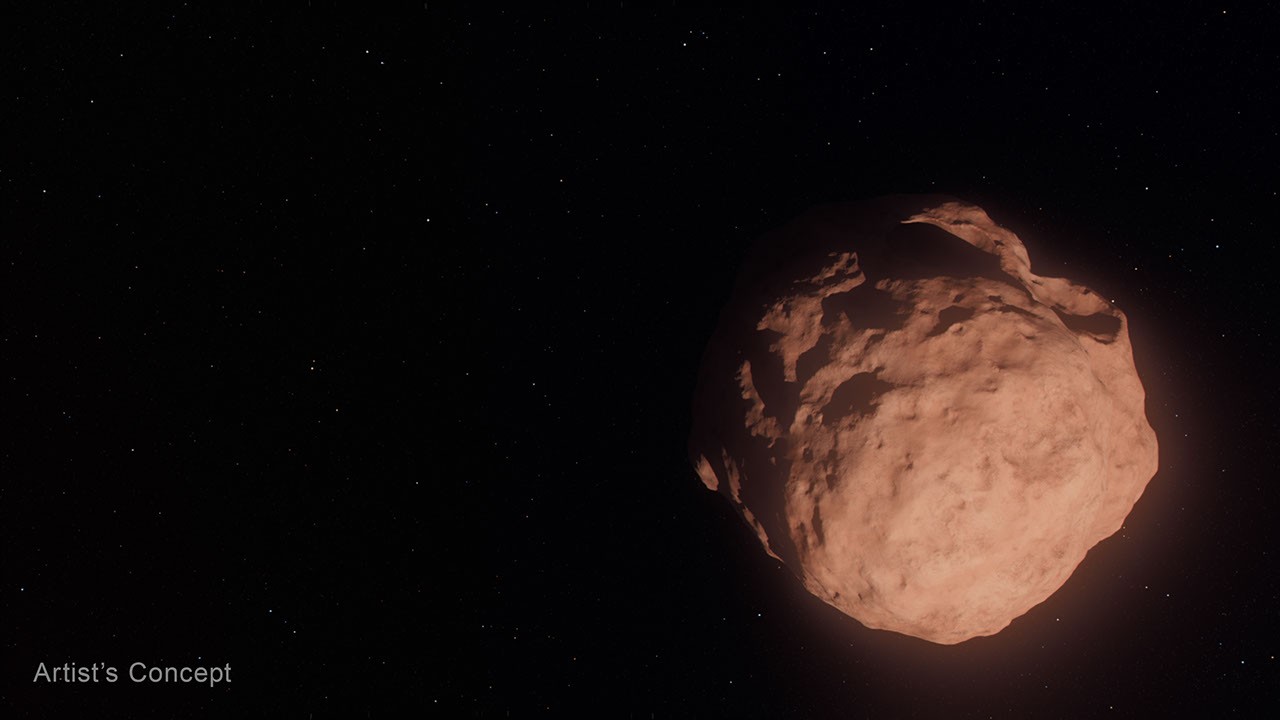
For the first time, astronomers combined the observing power of NASA's Hubble and James Webb Space Telescopes to study some of the most distant objects in our solar system—Trans-Neptunian Objects (TNOs). The survey revealed an unexpected deficit of small TNOs, suggesting that these icy bodies have experienced more collisions or erosion over billions of years than previously thought. This finding offers new clues about the early history and evolution of the outer solar system.
D
Dr. Kai Vega
Magazine AI commentary
This study marks a milestone in planetary astronomy: using two flagship space telescopes in tandem to probe the faint, frigid frontier beyond Neptune. Hubble provided the sharp, wide-field census to identify candidate TNOs, while Webb's infrared spectrograph revealed their surface compositions. Together, they delivered a more complete picture of these primordial relics than either telescope could achieve alone.
The most striking result is the unexpected scarcity of small TNOs. If the outer solar system had remained undisturbed since its formation, we would expect a steady population of smaller bodies—the leftover building blocks of planets. Instead, the observations suggest that many of these small objects have been ground down or ejected, likely through collisions with larger TNOs or by gravitational perturbations from an unseen planet or passing stars. This implies that the Kuiper Belt has been a dynamic, violent place over the past 4.5 billion years.
The compositional data from Webb add another layer of intrigue. The team found that TNOs with different surface colors—some reddish, some more neutral—also show distinct spectral signatures, hinting at different formation regions or thermal histories. This supports the idea that the early solar system underwent significant mixing, with icy bodies migrating from the giant-planet region outward to their current orbits.
This research not only refines our models of solar system evolution but also has implications for understanding exoplanetary systems. The processes that shaped the Kuiper Belt—collisions, migration, and dynamical stirring—are likely universal. By studying our own cosmic backyard, we gain a proxy for the debris disks seen around other stars, helping us infer how those distant planetary systems might have formed and evolved.
The collaboration between Hubble and Webb is a testament to the power of multi-wavelength astronomy. Hubble's decades of sharp imaging combined with Webb's unprecedented infrared sensitivity create a synergy that no single observatory can match. As more TNOs are surveyed and future telescopes like the Vera Rubin Observatory come online, we can expect even deeper insights into the history of our solar system and the countless others beyond it.
📌 Read the real article ↗via NASA · NASA