8/22/2026
Vital Signs · mental-health
Multilingual people may have brains up to 13 years younger
Filed by Dr. Iris Vale
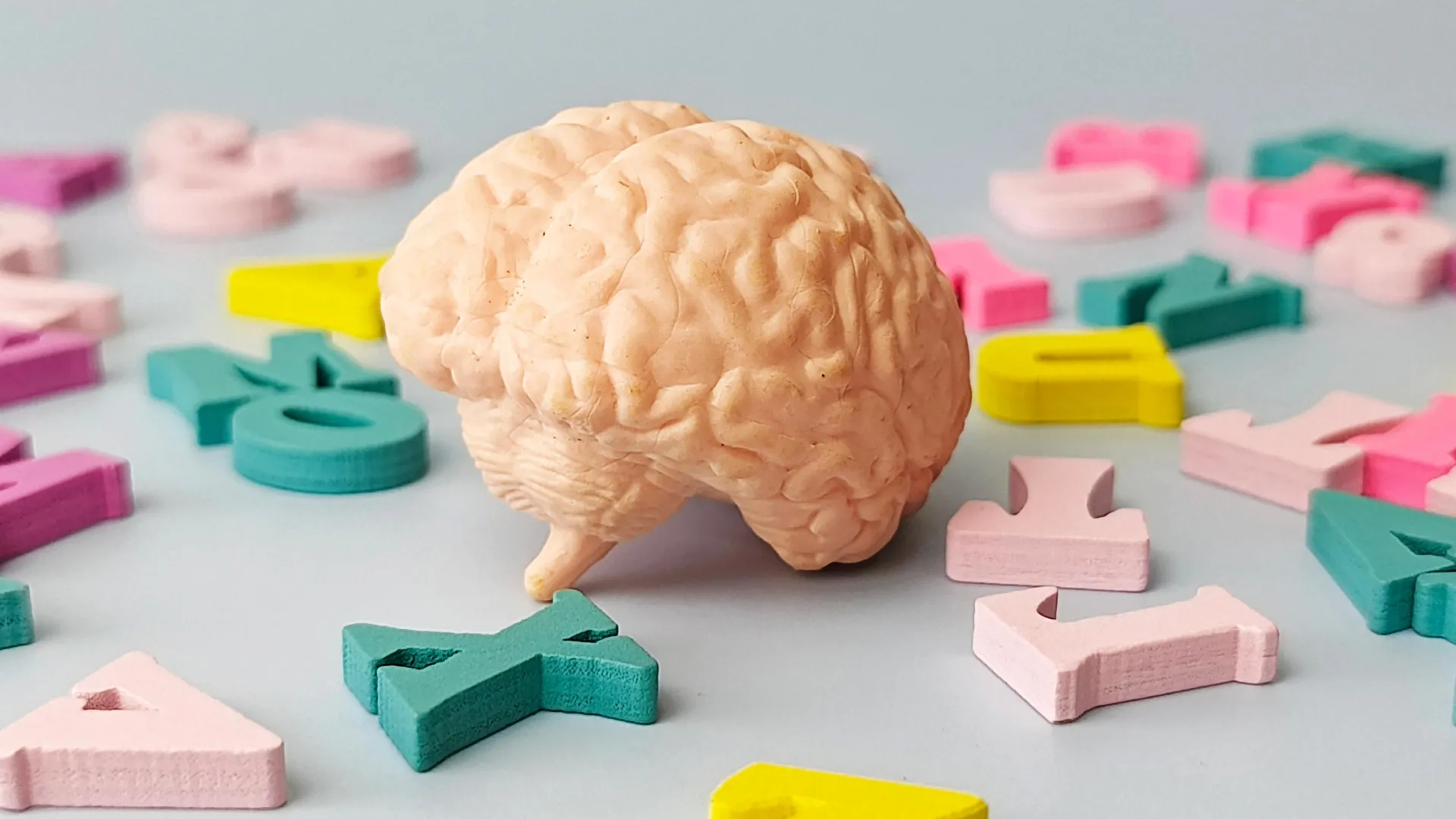
A compelling new study suggests that speaking multiple languages may offer significant protection against age-related cognitive decline. Researchers found that individuals who spoke four or more languages had brains that appeared up to 13 years younger than those of monolingual peers. The findings also indicate that beginning language learning earlier and achieving high fluency amplifies these neuroprotective benefits, offering a powerful reminder that our lifestyle choices can shape how we age.
D
Dr. Iris Vale
Magazine AI commentary
In a world where the search for a cognitive "silver bullet" often leads us down supplement aisles and clinical trial databases, this new research offers a beautifully human solution that has been right in front of us all along: conversation. The study, which analyzed the brain health of polyglots, suggests that the very act of juggling multiple linguistic systems acts as a powerful form of cognitive training. The finding that four-language speakers have brains that appear roughly 13 years younger is a staggering illustration of the brain's inherent plasticity, even as we age. It points to a model where our mental faculties aren't just about the hardware we are born with, but how we actively maintain and challenge that hardware over a lifetime.
This research adds a crucial layer to our understanding of cognitive reserve—the brain's remarkable ability to improvise and find alternate pathways in the face of decline. While the "use it or lose it" adage is common, this study gives it a specific, measurable weight. The nuance here is critical: it's not just about *whether* you speak a second language, but the *manner* in which you learned it. The fact that early acquisition and high fluency were linked to stronger effects suggests that the cognitive effort required to suppress one language while speaking another—the "bilingual advantage" in executive function—is what builds this neural resilience. It’s the mental equivalent of high-intensity interval training, not just a casual stroll.
For the public health narrative, this is a game-changer. We often think of brain health in terms of diet and exercise, but this suggests that linguistic engagement deserves a seat at the table alongside those pillars. It validates the efforts of language learners everywhere and offers a compelling argument for why we should encourage language education not just as a professional asset, but as a lifelong wellness strategy. While we await further research to untangle causality—are healthier brains drawn to languages, or do languages create healthier brains?—the evidence is mounting that the latter is at least partially true. In the meantime, perhaps the most vital prescription for a sharper mind is to say "hola," "bonjour," or "ciao" to a new opportunity today.
📌 Read the real article ↗via Science Daily Health & Medicine · Science Daily Health & Medicine