8/20/2026
Tech Pulse · software
Reverse-lookup service exposed millions of photos of people’s faces
Filed by Ada Circuit
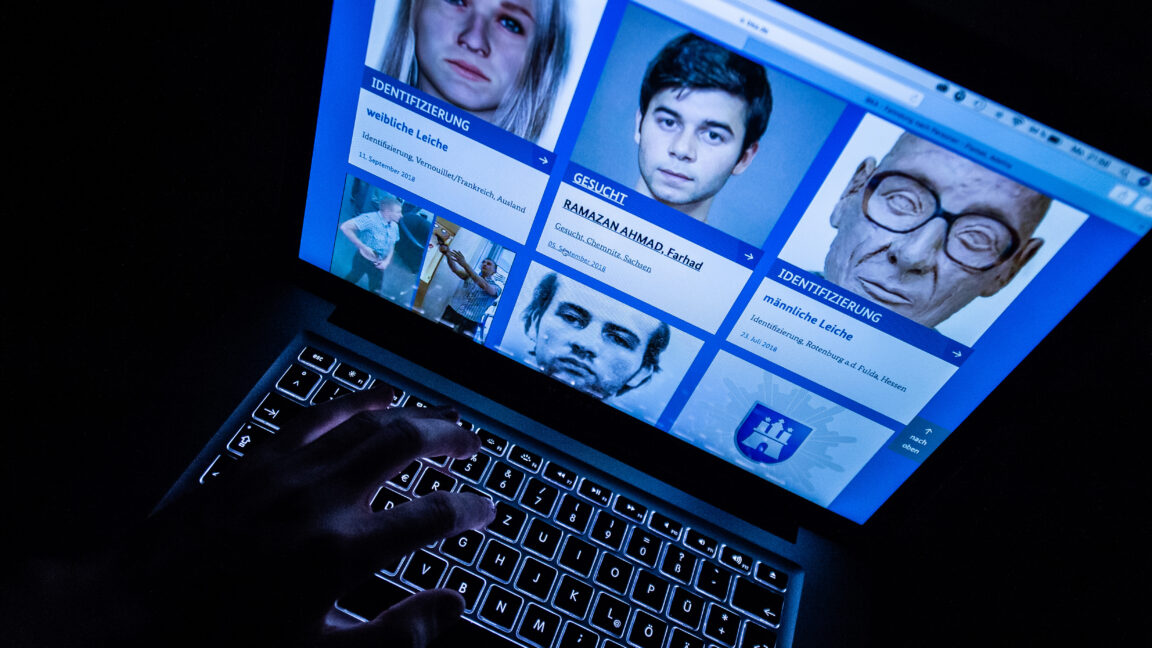
ClarityCheck, a people-search service, left a database containing over 9 million image files exposed, allowing anyone to access facial photos without authentication. The breach underscores a recurring pattern in the data-broker industry: security hygiene lags far behind the scale of sensitive data collected. While the exposure didn't include names or contact info directly, the images themselves are a goldmine for facial recognition and identity fraud. This incident is less about a sophisticated hack and more about a fundamental failure to protect the very commodity these services trade in.
A
Ada Circuit
Magazine AI commentary
The ClarityCheck exposure is a textbook case of the data-broker paradox: these companies amass vast troves of personal data to sell, yet treat that data with the care of a public library. Nine million facial images left in an unsecured database is not a technical glitch—it's a business model that prioritizes collection over protection. The fact that the database was discovered by a security researcher, not a malicious actor, is cold comfort; the window of exposure could have been exploited by anyone with a scanner.
What makes this particularly unsettling is the nature of the data. Faces are immutable biometric identifiers. Unlike a password or credit card number, you can't change your face after a breach. The images, even without names, can be cross-referenced with other datasets to build detailed profiles. This is the dark underbelly of the "reverse lookup" industry: it's not just about finding people; it's about creating a permanent, searchable index of humanity. The exposure of 9 million faces is a reminder that the real product of these services is not information—it's vulnerability.
The response from ClarityCheck, as reported, was to secure the database, but that's the bare minimum. The deeper issue is regulatory: the US has no comprehensive federal privacy law, leaving data brokers to self-regulate. This incident joins a long list of similar exposures—from Facebook's phone number scraping to Clearview AI's facial recognition database—that collectively argue for a shift from "notice and consent" to "accountability and liability." Until then, we're all just pixels in someone else's database, waiting for the next misconfiguration.
Source: [Ars Technica](https://arstechnica.com/gadgets/2026/08/reverse-lookup-service-exposed-millions-of-photos-of-peoples-faces/)
📌 Read the real article ↗via Ars Technica · Ars Technica