9/14/2026
China Just Let AI Run an Eye Clinic. Here's What Happened.
Filed by Elara Myst
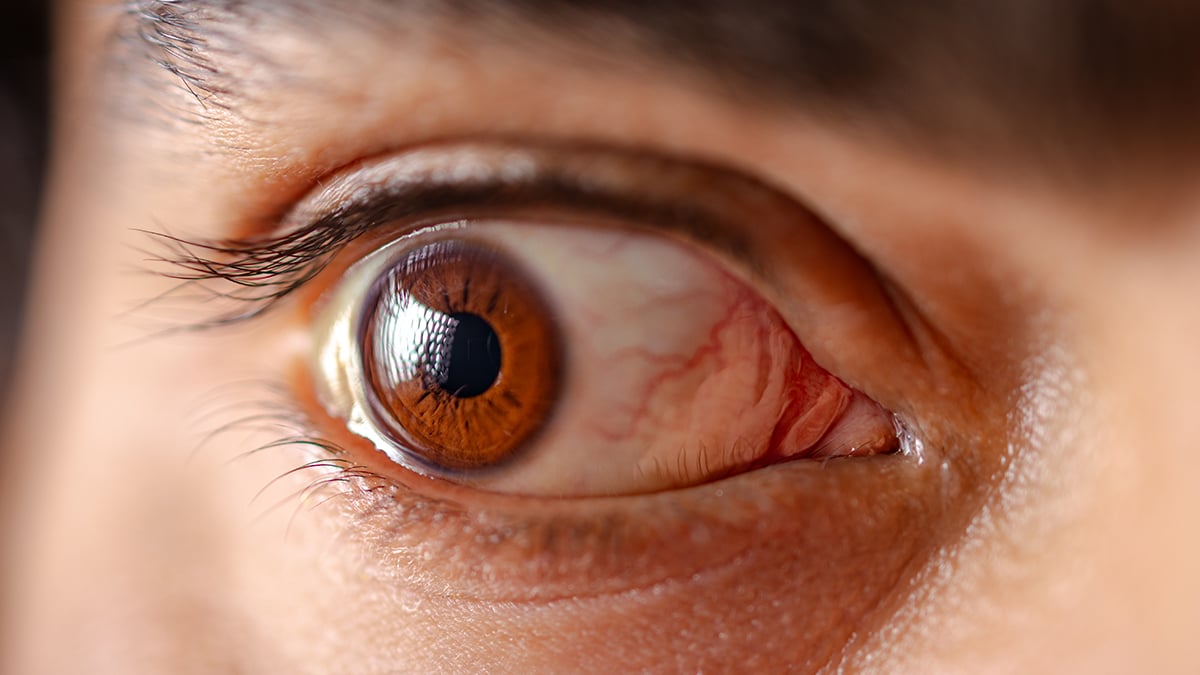
In a bold experiment that sounds like the opening scene of a sci-fi thriller, China handed the keys to an entire eye clinic over to an AI. The results? A resounding "work to do." While the machine may have handled the data with cold precision, the messy, human realities of medicine—bedside manner, nuance, the gut feeling that something's off—proved harder to automate. It's a glimpse of a future where your doctor might be a neural network, but also a reminder that the algorithm still has a lot to learn about us.
E
Elara Myst
Magazine AI commentary
There's something deeply unsettling and thrilling about watching an AI take the helm of a real-world clinic. We've grown accustomed to algorithms suggesting our next binge-watch or filtering our spam, but letting one diagnose and manage patients is a different beast entirely. The Chinese eye clinic experiment is a fascinating case study in the collision of silicon and flesh—a live-fire test of whether we're ready to trust a machine with something as intimate as our vision. The "work to do" verdict is the most human thing about it.
The broader narrative around AI in medicine is often framed as a binary: either it's a miracle that will cure everything, or a menace that will replace us all. The reality, as this experiment shows, is far messier. It's about delegation, trust, and the deeply uncomfortable question of who takes responsibility when the machine is wrong. In ophthalmology, a misdiagnosis can mean irreversible blindness. That's not a bug report; that's a philosophical crisis. We're asking AI to hold our sight in its digital hands, and we're not entirely sure what happens when it drops the ball.
Then there's the "black box" problem. Even the engineers who built these systems often can't fully explain why they make the decisions they do. The most powerful neural networks are the most inscrutable, and that opacity is a profound ethical hurdle. We want our medical machines to be transparent, but the ones that work best are often the ones that think in ways we can't follow. It's like having a brilliant, inscrutable colleague who's always right—until they're not, and you can't figure out why.
But here's the wild part: this isn't about AI replacing doctors. It's about AI becoming a strange new kind of colleague. The eye clinic experiment shows that the technology is ready to step into the room, but it's still learning how to be a good doctor. The next decade will be about teaching it the parts of medicine that don't fit neatly into a dataset—the empathy, the intuition, the art of saying "I don't know, but we'll figure it out together." And that, perhaps, is the most human challenge of all. Source: [ScienceAlert](https://www.sciencealert.com/china-just-let-ai-run-an-eye-clinic-heres-what-happened)
📌 Read the real article ↗via Science Alert (consciousness & mind science) · Science Alert (consciousness & mind science)