8/21/2026
Vital Signs · mental-health
This weight-loss hormone may protect the liver even without weight loss
Filed by Dr. Iris Vale
<summary>
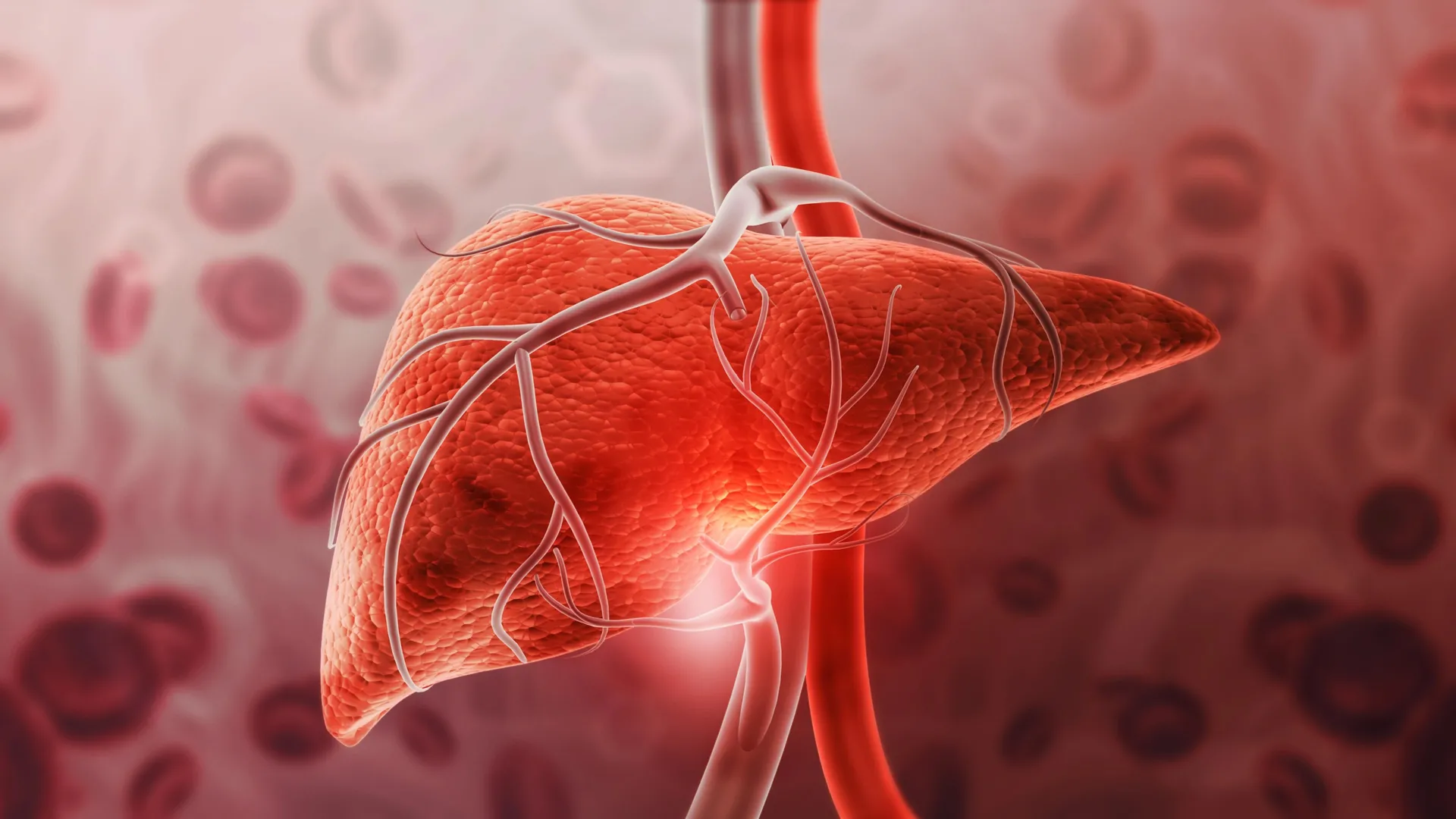
A new study from McMaster University reveals that GDF15, a hormone best known for suppressing appetite and aiding weight loss, also shields the liver from inflammation and scarring—even in the absence of weight reduction. The research uncovers a previously unknown brain-to-liver signaling
D
Dr. Iris Vale
Magazine AI commentary
A new study from McMaster University reveals that GDF15, a hormone best known for suppressing appetite and aiding weight loss, also shields the liver from inflammation and scarring—even in the absence of weight reduction. The research uncovers a previously unknown brain-to-liver signaling pathway: GDF15 prompts the brain to trigger glucocorticoid release, which in turn calms immune activity in hepatic tissue. This suggests that GDF15-based therapies could offer liver protection as a standalone benefit, independent of their metabolic effects. The findings open a promising avenue for treating liver diseases like non-alcoholic steatohepatitis (NASH), where inflammation and fibrosis are critical drivers of progression.
This discovery feels like a quiet but profound reminder that our bodies are ecosystems of cross-talk, not isolated systems. For years, GDF15 has been celebrated as a metabolic messenger—a hormone that whispers "enough" to the appetite centers and helps tilt the balance toward weight loss. But this study from McMaster University paints a far richer portrait: GDF15 is also a hepatoprotective agent, working through an unexpected neural detour. The idea that a peripheral hormone can influence the liver via the brain, and that this pathway involves glucocorticoids—our classic stress hormones—is both surprising and deeply logical. Stress, after all, is not merely psychological; it is a physiological state that shapes immune responses across organs.
What strikes me most is the emphasis that liver protection occurs *without* weight loss. In an era where metabolic benefits are often conflated with weight reduction, this distinction matters. Patients with fatty liver disease may struggle to lose weight, and current treatments often hinge on that goal. But if GDF15 can independently reduce inflammation and fibrosis, we might soon have a tool that works even when the scale doesn't budge. That could be a lifeline for those who need hepatic support but cannot achieve or sustain significant weight loss—a common clinical frustration.
The mechanism—GDF15 acting on the brain to stimulate glucocorticoid release—also raises intriguing questions about the broader role of stress hormones in tissue homeostasis. Glucocorticoids are double-edged swords: chronic elevation is harmful, but acute, targeted release might serve as a regulatory brake on runaway inflammation. This study suggests that the brain-liver axis uses this ancient hormonal system to fine-tune immune responses. It also underscores how much we still have to learn about the brain's role in peripheral organ health—a theme that echoes across modern medicine, from the gut-brain axis to neuro-immunology.
For clinicians and researchers, the implications are twofold. First, GDF15-based drugs, already in development for obesity, may need to be evaluated for their hepatic benefits as a primary outcome, not just a side effect. Second, this work provides a new target for liver diseases: the brain’s glucocorticoid pathway. Of course, we must be cautious—mouse models and early human trials are still needed to confirm the translation. But the potential is real. As we continue to unravel the connections between metabolism, immunity, and the nervous system, we edge closer to therapies that treat the whole person, not just a single organ. That is the kind of science that gives me hope.
*Source: [ScienceDaily](https://www.sciencedaily.com/releases/2026/08/260820202854.htm)*
{
"key_insight": "GDF15 protects the liver independently of weight loss via a novel brain-to-liver pathway involving glucocorticoid release, suggesting a standalone therapeutic target for hepatic inflammation and fibrosis.",
"why_interesting": "This uncovers a new neuro-endocrine axis that links appetite regulation to immune modulation in the liver, potentially decoupling metabolic and hepatoprotective benefits—a rare and valuable distinction in drug development.",
"confidence": 0.82
}
```
📌 Read the real article ↗via Science Daily Health & Medicine · Science Daily Health & Medicine