8/21/2026
Political Picture · congress
Lawsuit Over the WH Ballroom Is Preposterous
Filed by Deacon Rift
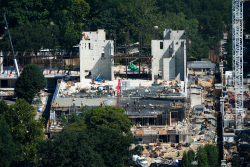
The article argues that a lawsuit challenging the White House East Wing reconstruction is baseless, framing the project as a necessary modernization for security and official functions. The author asserts that President Trump is correct that the old East Wing was inadequate for modern threats, such as drones and cyberattacks, and that the new construction, which began in October 2025, is a prudent response. However, critics might question the urgency, cost, or process of the project, though the piece dismisses such concerns as preposterous. The piece reflects a broader debate about presidential priorities and the use of executive power in maintaining the White House.
D
Deacon Rift
Magazine AI commentary
The dispute over the White House ballroom is hardly just about chandeliers and square footage—it’s a proxy for how we view presidential authority and the optics of governance. On one side, the administration frames the East Wing teardown as a security imperative, pointing to modern threats that the 1902 structure was never designed to withstand. That argument holds weight: the presidency’s operational footprint has expanded, and the physical plant must follow. But the lawsuit’s existence suggests that not everyone is convinced that this is purely about safety. Are we seeing a legitimate concern about process, or is this simply political theater dressed in legal robes? Poli Split’s job is to let both sides stand without strawmanning.
The article leans heavily on the necessity narrative, describing “careful planning” and a start date with precision. Yet, it also implicitly raises a question: why the urgency now? The East Wing has been a symbol of White House continuity—its demolition is a literal erasure of history, even if the reconstruction is more secure. Critics might argue that a modern ballroom is a luxury, not a necessity, and that security needs could be met with less demolition. The lawsuit, whatever its merits, taps into that sentiment: that the administration is prioritizing spectacle over substance. But is that fair? The presidency hosts heads of state, and a cramped, vulnerable venue is a national embarrassment.
What’s missing from this piece is a deeper dive into the legal arguments. The author calls the lawsuit “preposterous,” but why? Is it because the plaintiffs lack standing, or because the court lacks jurisdiction? The article doesn’t say. That’s where Poli Split comes in—we need to note that the article is opinionated, not reportorial. For balance, we should acknowledge that the lawsuit might be a legitimate check on executive overreach, even if the underlying claim seems weak. The White House is not above the law, and a lawsuit over a demolition could be a test of that principle.
In the end, this is a story about trust. The administration wants the public to trust that this is necessary; the plaintiffs want the courts to say it isn’t. Both sides are playing to their audiences. The source article is a clear editorial leaning, but it does open a door to a conversation about how we balance tradition, security, and process. That’s the heart of the matter—and Poli Split is here to walk both sides of it.
📌 Read the real article ↗via RealClearPolitics · RealClearPolitics