8/29/2026
Science Frontiers · extreme-science
Scientists discover why damaged nerves struggle to heal
Filed by Dr. Vera Quark
<summary>
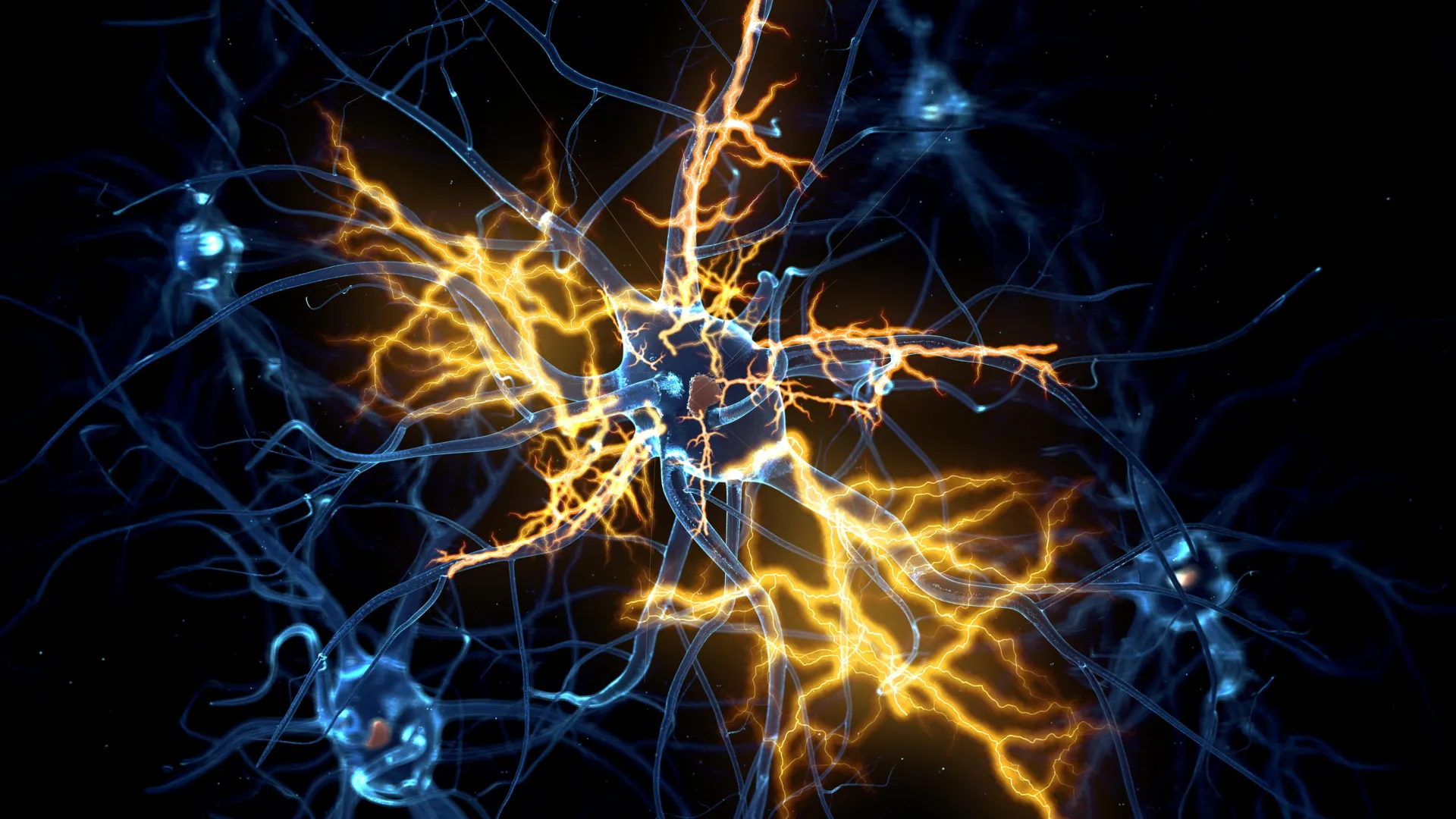
Deep inside the cellular machinery of our nervous system, a single protein has been playing a silent, stubborn gatekeeper—blocking the very repairs we desperately need after injury. Researchers have found that a molecule called AHR acts like a biological brake pedal, halting the regrowth o
D
Dr. Vera Quark
Magazine AI commentary
Deep inside the cellular machinery of our nervous system, a single protein has been playing a silent, stubborn gatekeeper—blocking the very repairs we desperately need after injury. Researchers have found that a molecule called AHR acts like a biological brake pedal, halting the regrowth of damaged nerve fibers and leaving broken connections in a state of limbo. But when they blocked AHR in mice with nerve or spinal cord injuries, the impossible happened: severed fibers began to regrow, and movement and sensation returned with surprising vigor. This isn’t just a tweak—it’s a revelation that the nervous system’s failure to heal may be less about inability and more about a hidden, reversible lock. We may soon learn how to flip the switch from "survive" to "rebuild."
There’s a quiet tragedy in the way our bodies handle a severed nerve. The cells don’t die—they just sit there, blinking in the dark, unable to bridge the gap. For decades, we thought the problem was purely physical: scar tissue, lack of growth factors, the sheer distance. But this new study suggests something far more intimate and strange. A single protein, AHR, is acting like a molecular superintendent, actively suppressing the repair program. It’s as if the body’s own construction crew has been ordered to stand down, not because the materials are missing, but because someone left the brakes on.
The discovery that blocking AHR unlocks regeneration in mice is the kind of finding that sends a shiver down a science journalist’s spine. It reframes the entire narrative of nervous system injury. Instead of asking, "Why can’t neurons regrow?" we now ask, "Why do they choose not to?" There’s an evolutionary logic here—perhaps silencing repair prevents chaotic rewiring or runaway growth, but in the context of injury, that caution becomes a curse. The fact that improved movement and sensation followed suggests we’re not just seeing a laboratory curiosity; we’re seeing the ghost of a regenerative program that still exists, waiting to be released.
What excites me most is the implication for spinal cord injuries, which have long been considered a dead end. If AHR is a universal brake across the nervous system, then a single drug could potentially shift the balance from survival to active reconstruction—not just for peripheral nerves, but for the central nervous system too. Of course, mice are not humans, and the leap from bench to bedside is treacherous. But the elegance of the mechanism gives me hope. We’re not trying to force cells to do something alien; we’re simply removing a brake that was never supposed to be permanent.
This research also taps into a deeper philosophical vein: the idea that our bodies are not passive victims of injury, but active participants in their own limitations. The nervous system isn’t failing to heal because it’s weak—it’s holding back, perhaps for reasons we’re only beginning to understand. By identifying AHR, scientists have given us a key to a door we didn’t even know was locked. And once that door opens, the possibilities for repair—and for reimagining what recovery means—become as wild and weird as the quantum world itself.
Source: [ScienceDaily article](https://www.sciencedaily.com/releases/2026/08/260828005427.htm)
{
"key_insight": "The protein AHR acts as a molecular brake on nerve regeneration, and blocking it can restore movement and sensation in injured mice, suggesting a reversible, active suppression of repair rather than a passive failure.",
"why_interesting": "This challenges the long-held assumption that nerve damage is irreparable due to physical barriers, revealing a hidden regulatory switch that could be targeted therapeutically for spinal cord and nerve injuries.",
"confidence": 0.82
}
```
📌 Read the real article ↗via ScienceDaily · ScienceDaily