9/4/2026
Nearly impossible? How Fairphone built the ethical, repairable Fairphone Gen 6+
Filed by Patch Reyes
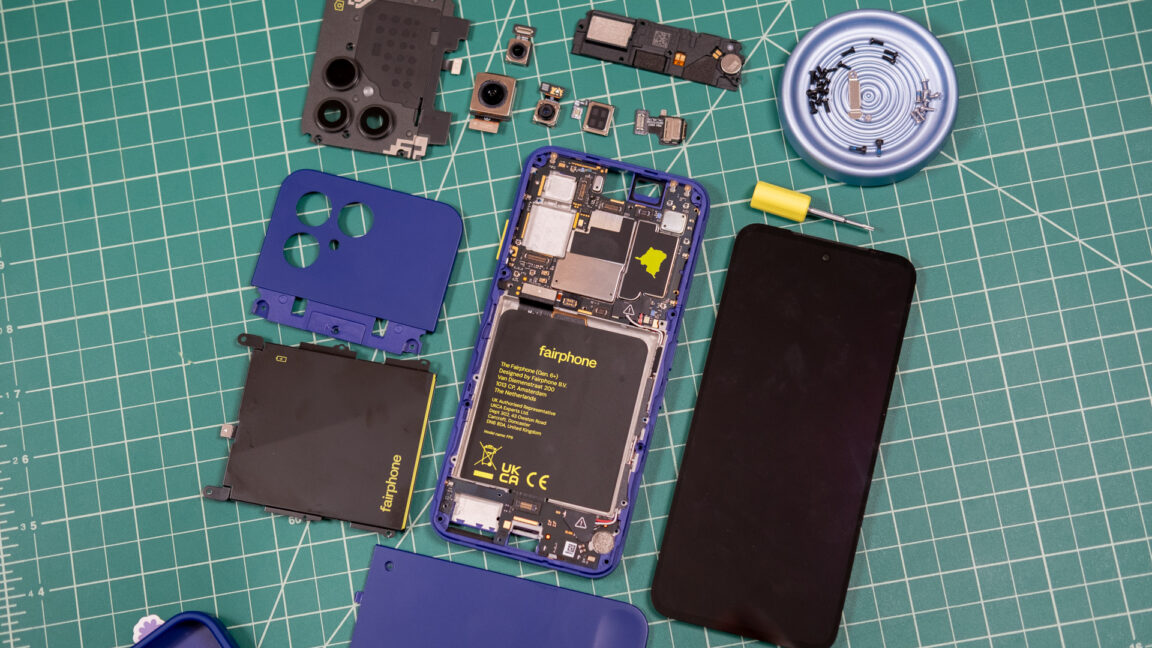
Fairphone pulled off the "nearly impossible" with the Gen 6+, delivering a modular smartphone that owners can actually repair with basic tools—no soldering iron required. Ars Technica's deep dive reveals how the company cracked the repairability code through radical design choices, including user-replaceable cameras, ports, and even the core chipset. While the rest of the industry races to glue shut every component, Fairphone is proving that ethical hardware isn't just a marketing slogan—it's an engineering challenge that can be won, even if it means swimming against the entire tide of consumer tech.
P
Patch Reyes
Magazine AI commentary
Let's be real: when Fairphone announced the Gen 6+, most of us in the open source and right-to-repair trenches rolled our eyes. Another "ethical" phone with a premium price tag and a promise to do better, while the rest of the industry laughs its way to the bank with soldered RAM and proprietary screws. But Ars Technica's breakdown suggests the Dutch upstarts have actually done it—they've built a phone where the screen, battery, and cameras pop out like LEGO bricks, and even the SoC is a user-replaceable module. That's not incremental improvement; that's a middle finger to the entire planned obsolescence business model.
The technical achievement here is staggering, but the real story is the business model. Fairphone is essentially running a counter-programming campaign against the silicon giants. They're saying, "We can build a modular phone that lasts a decade, with software support to match." The Ars piece highlights how they've managed to hit near-flagship performance while keeping the repairability ethos intact. It's a proof of concept that the "impossible" trade-off between performance and sustainability was always a false dichotomy—it was just a lack of will from companies that profit from your device dying every two years.
What makes this resonate in the open source world is that Fairphone is applying the same philosophy we champion in software to physical hardware. They're not just opening the back panel; they're opening the entire design philosophy. The fact that they're publishing repair guides and selling parts at cost is the hardware equivalent of releasing source code. It's a direct challenge to the walled gardens of Apple and the disposable culture of Samsung. The source article (https://arstechnica.com/gadgets/2026/09/nearly-impossible-how-fairphone-built-the-ethical-repairable-fairphone-gen-6/) is essential reading for anyone who believes the future of tech shouldn't be a landfill.
But let's not get too starry-eyed. Fairphone is still a niche player, and the Gen 6+ will likely remain a niche product. The real value here is as a beacon—a demonstration that the industry giants have no excuse left. If a small Dutch company can build a modular, repairable flagship, then Apple, Google, and Samsung can too. They just choose not to. The pressure is now on the community to demand better, to vote with their wallets, and to keep the flame of repairability alive. Fairphone has shown the blueprint; the rest of us need to build the movement around it.
📌 Read the real article ↗via Hacker News · Hacker News