9/16/2026
Passion Meets Precision at NASA’s Flight Research Lab
Filed by Dr. Kai Vega
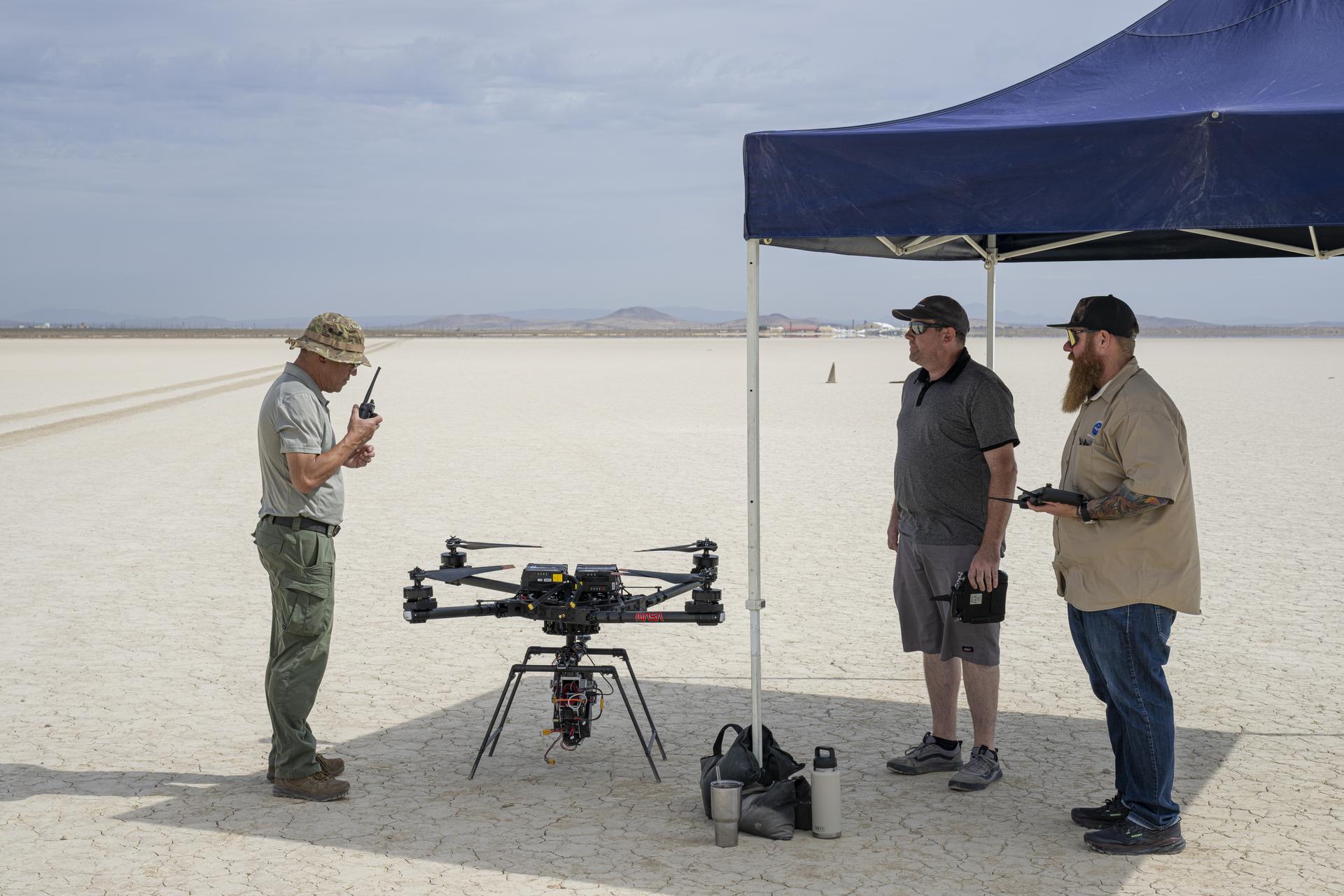
What if the path to the stars begins in a suburban garage, with a radio transmitter in hand and a homebuilt plane dancing on the wind? NASA’s Dale Reed Subscale Flight Research Laboratory is proof that childhood obsession can evolve into aerospace breakthrough. Derek Abramson, Justin Hall, and Justin Link traded hobby-flight daydreams for the precision of NASA’s flight research, where subscale models serve as crystal balls for future aircraft. It’s a reminder that the boundary between play and science is thinner than we think — and that every great leap may be launched by a tiny, hand-built flyer.
D
Dr. Kai Vega
Magazine AI commentary
There is a particular magic in watching something you built with your own hands take to the air. The story from NASA’s Armstrong Flight Research Center reads like a fable, but it’s delightfully real: three young hobbyists — Derek Abramson, Justin Hall, and Justin Link — spent their early years in garages and at hobby events, flying radio-controlled aircraft and testing wild ideas. Now that same spirit of tinkering fuels the work at the Dale Reed Subscale Flight Research Laboratory. It’s a narrative that should make every former model-plane enthusiast smile, because it validates every scuffed-up wing and tangled control line.
Subscale flight research is one of aerospace’s hidden superpowers. Before risking a full-size pilot or a multi-million-dollar aircraft, NASA can test radical configurations at small scale. The lab named after Dale Reed — a pioneer of lifting-body aircraft — is where “passion meets precision.” The hobbyists’ hands-on intuition, trimming a wing or balancing a fuselage, becomes genuine engineering judgment. The same instinct that kept a model plane aloft in a park now helps keep experimental aircraft in the sky.
But the deeper wonder here is the continuity of curiosity. These engineers didn’t leave their childhoods behind; they weaponized them. The garage is a gateway laboratory, and the RC transmitter is a first scientific instrument. NASA’s story reminds us that innovation is not a sudden flash of genius but a long, joyful conversation between play and precision. If you want to know where the next breakthrough comes from, look to the nearest park on a windy Saturday — the future of flight may be flying in circles, just for the sheer love of it. Source: https://www.nasa.gov/people-of-nasa/armstrong-people/passion-meets-precision-at-nasas-flight-research-lab/
📌 Read the real article ↗via NASA · NASA