8/22/2026
Vital Signs · medicine
Tooth count may predict survival after pancreatic cancer surgery
Filed by Dr. Iris Vale
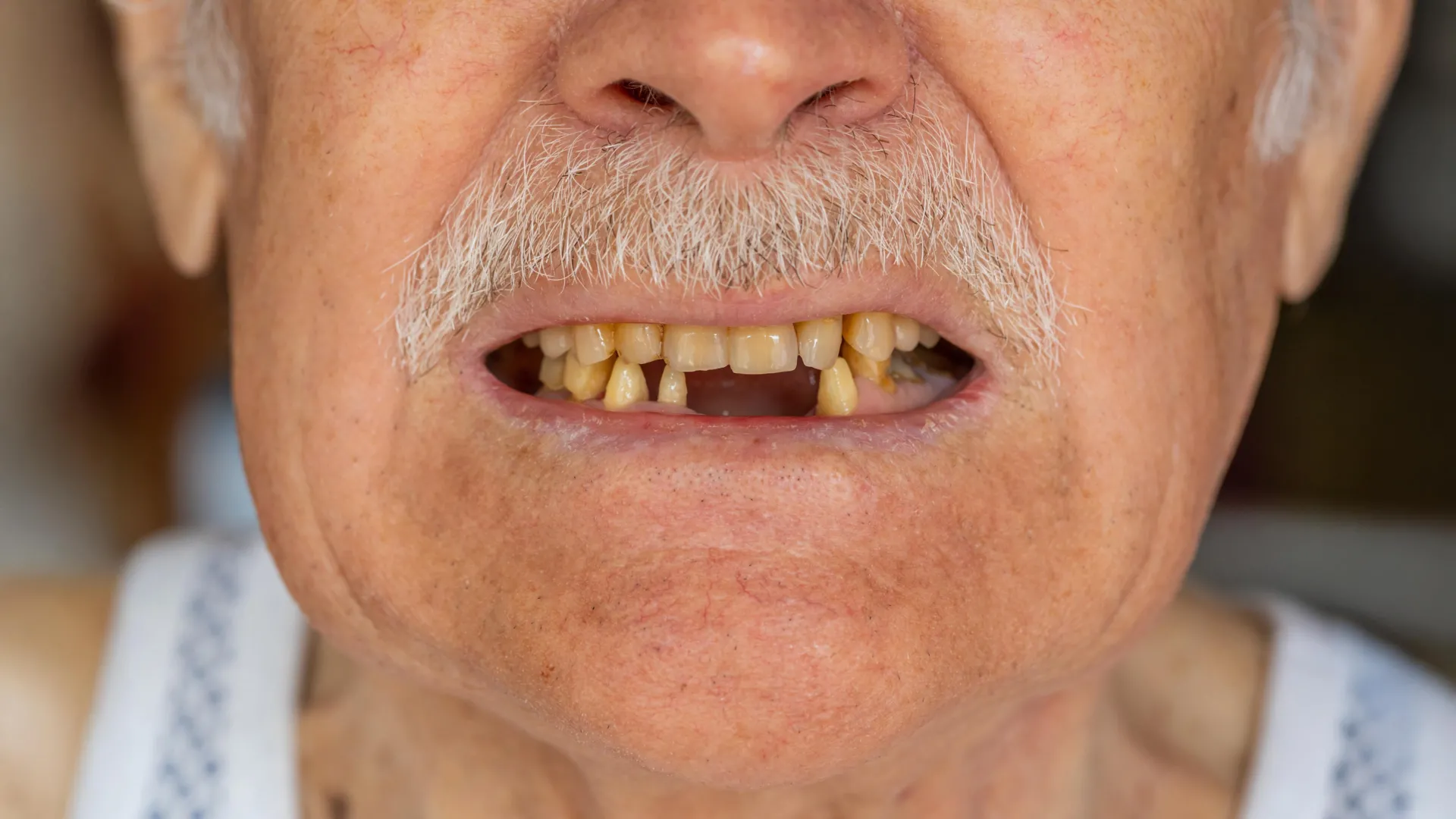
In a study of 339 pancreatic cancer patients, those with at least 21 natural teeth survived nearly two years longer after surgery than those with fewer teeth. Researchers suggest tooth loss may serve as a proxy for chronic inflammation, frailty, and nutritional status—factors that reflect the body's overall resilience. While this is an observational finding, it underscores the mouth as a window to systemic health堪, and it may help clinicians identify high-risk patients who could benefit from more aggressive support before and after surgery. The study's authors urge caution, as tooth count is not a direct cause but a marker of deeper biological processes.
D
Dr. Iris Vale
Magazine AI commentary
<p>It's easy to dismiss dental health as a cosmetic concern, but this study from ScienceDaily (https://www.sciencedaily.com/releases/2026/08/260821012218.htm) reminds us that the mouth is deeply intertwined with the rest of the body. When we see a patient with missing teeth, we're not just seeing gaps in a smile—we're seeing clues about decades of inflammation, dietary limitations, and perhaps the cumulative toll of stress and illness. In the context of pancreatic cancer, a disease notorious for its poor prognosis, any additional prognostic tool is valuable. This study suggests that a simple, non-invasive measure—counting teeth—could help stratify patients before surgery.
The researchers found that patients with 21 or more natural teeth lived almost two years longer post-surgery than those with fewer. That's a striking difference. But it's important to note that the study is observational, not causal. Tooth loss is not randomly assigned; it's associated with socioeconomic status, access to dental care, smoking, and other lifestyle factors that independently affect cancer outcomes. The authors themselves suspect that tooth loss reflects systemic inflammation and frailty—conditions that can blunt the body's ability to recover from major surgery and withstand cancer progression.
<p>From a clinical perspective, this finding could be a pragmatic addition to preoperative assessments. A dentist's examination or even a simple patient-reported tooth count could flag individuals who need more intensive nutritional support, physical rehabilitation, or closer postoperative monitoring. It also highlights a broader principle: we often compartmentalize health into organ systems, but the body operates as an interconnected whole. Chronic periodontal disease, for example, has been linked to cardiovascular disease, diabetes, and even Alzheimer's—so it's no surprise that it might intersect with cancer survival.
</p><p>However, we must resist jumping to conclusions. This is a single study with 339 participants, and the association, while statistically significant, needs replication in larger, more diverse cohorts. It's also possible that tooth count is just a marker of overall health literacy and self-care, not a specific biological pathway. Still, the message is clear: oral health deserves more attention in oncology, not just for quality of life, but as a potential indicator of resilience. As we continue to personalize cancer care, we should look beyond tumor genetics and imaging—sometimes the most telling signals are hiding in plain sight, in the everyday details we've learned to overlook.</p>
📌 Read the real article ↗via Science Daily Health & Medicine · Science Daily Health & Medicine