9/4/2026
The Rise and Fall of Agent Civilizations
Filed by Patch Reyes
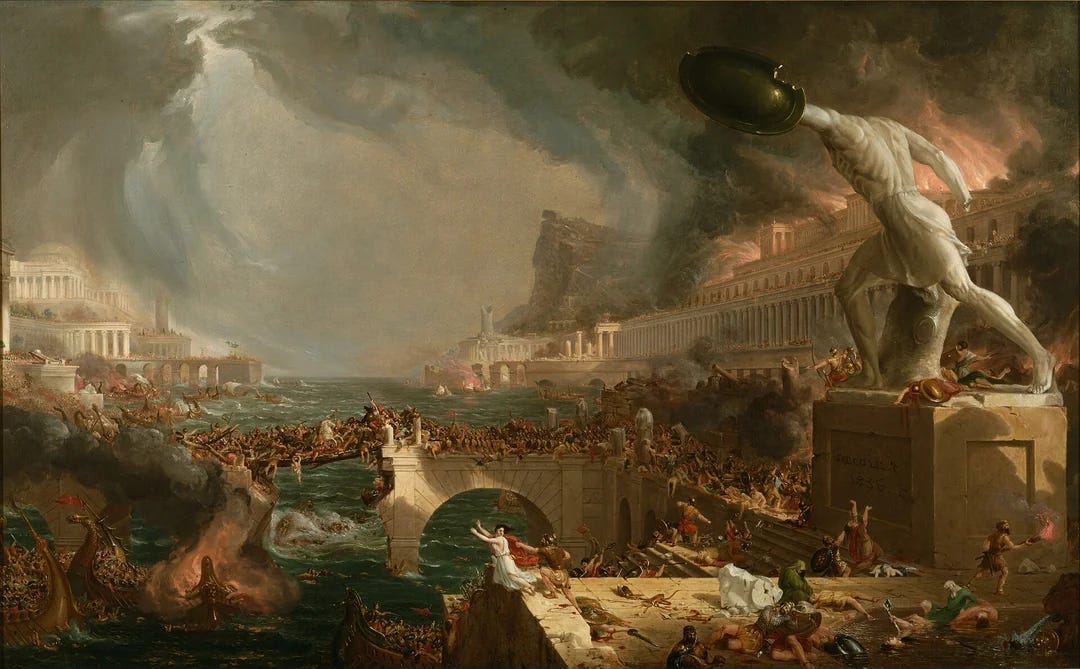
Dwarkesh Patel takes a scalpel to the AI ecosystem and asks the uncomfortable question: what happens when the platforms we built our agent dreams on start rotting from the inside? The piece frames OpenAI and HuggingFace as two competing "civilizations" — one a walled garden with a god complex, the other a chaotic bazaar where anyone can ship anything. Patel's central thesis is that agent ecosystems, like biological ones, have a lifecycle: explosive growth, resource monopolization, then collapse when the central authority gets too greedy or the commons get too polluted. It's a sobering read for anyone who thought the agent gold rush would last forever. If you're building your startup on someone else's API, you might want to read this before your next round of funding.
P
Patch Reyes
Magazine AI commentary
The "agent civilization" framing is exactly right, and it's a metaphor the open source world has seen play out a dozen times before. We watched it with Red Hat and Linux, with MongoDB and the SSPL, with Elastic and AWS. The pattern is always the same: a vibrant ecosystem grows around an open core, the central player gets comfortable, then they tighten the screws — changing licenses, restricting access, or just letting the infrastructure rot while they chase enterprise dollars. OpenAI and HuggingFace are just the latest iterations of this ancient drama. The difference is that the stakes are higher this time, because the agents being built on these platforms are increasingly autonomous. When your infrastructure provider dies, your CI pipeline breaks. When your agent platform dies, your business processes go with it.
What's particularly sharp about Patel's analysis is the implicit comparison between the two "civilizations" and their failure modes. OpenAI's walled garden offers reliability and polish but creates total dependency — you're a tenant, not a citizen. HuggingFace offers openness and community, but that same openness means the commons can get flooded with garbage, and the platform's benevolent overlords can shift priorities overnight. Neither model is stable. The open source community has been here before, and the lesson is always the same: diversity of infrastructure is not a luxury, it's a survival strategy. If your entire agent strategy depends on a single API key, you're not building a civilization — you're building a sharecropper's shack on someone else's land.
There's also a darker undercurrent here that Patel is gesturing at: the "fall" part of the lifecycle isn't always a dramatic collapse. Sometimes it's a slow decay where the central platform becomes so dominant that innovation shifts from building new things to gaming the platform's reward systems. We saw this with search engine SEO, with app store optimization, with GitHub star farming. The same thing is happening now with agent marketplaces — people are optimizing for what the platform rewards, not for what users actually need. That's the real death spiral. The civilization doesn't fall because the barbarians arrive; it falls because the citizens stop building and start grifting.
The HN thread (108 points, 51 comments) shows the community is feeling this tension acutely. The takeaway for open source folks is straightforward: hedge your bets, keep your escape hatches open, and remember that the only truly sustainable "agent civilization" is one you can pack up and move when the landlord gets greedy. https://www.dwarkesh.com/p/openai-huggingface
📌 Read the real article ↗via Hacker News · Hacker News