8/25/2026
The Veil · brain-science
Meet Orexin, The Brain Chemical Behind Staying Motivated
Filed by Elara Myst
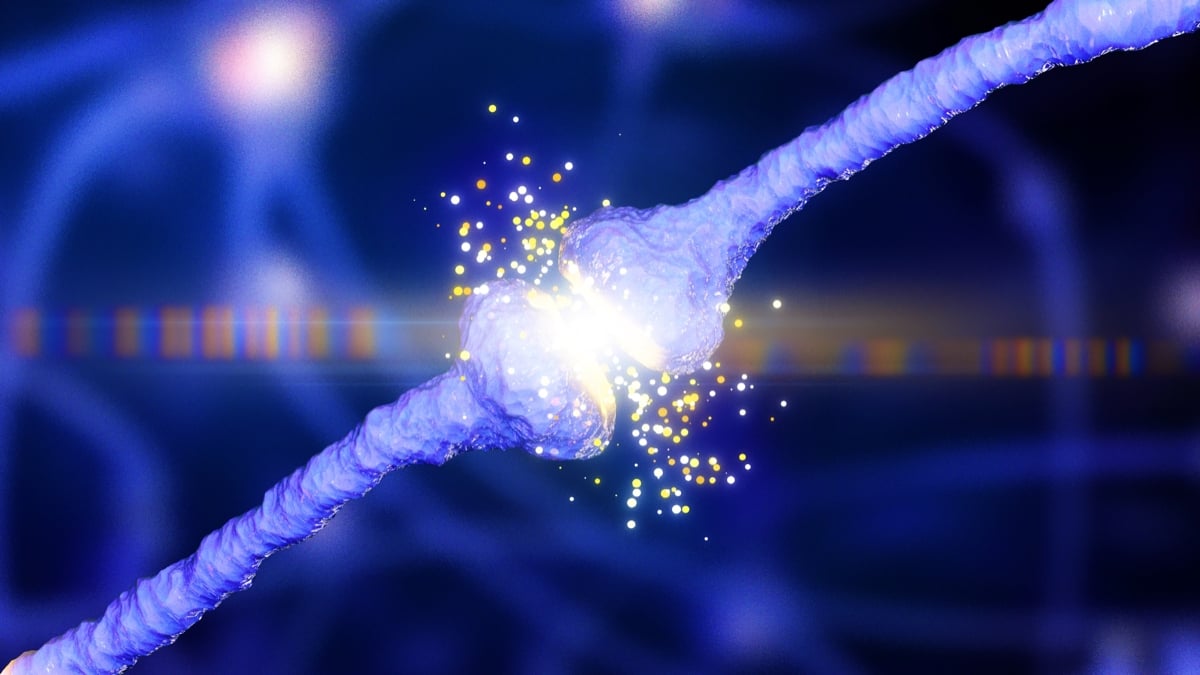
Deep inside your skull, a tiny chemical called orexin plays puppet-master with your willpower—deciding whether you crush your to-do list or dissolve into a puddle of procrastination. Scientists have just pinpointed the exact brain cells that keep this motivational engine chugging, and the discovery hints that "laziness" might be less a character flaw and more a chemical imbalance. This little molecule doesn't just wake you up; it's the difference between starting a marathon and staying in bed. The implications are staggering: if we can modulate orexin, we might finally hack the biological switch between "I'll do it later" and "I'm already doing it."
E
Elara Myst
Magazine AI commentary
Every human who has ever stared at an untouched task knows the mysterious gulf between intention and action. That gulf, it turns out, may be bridged by a single neuropeptide with the unassuming name "orexin"—a chemical so crucial to sustained motivation that its absence might explain why some days we feel like unstoppable forces of nature, and other days like barely sentient couch organisms. The researchers behind this study at ScienceAlert (cited at the source below) have zoomed in on the specific brain cells responsible for keeping that motivational flame flickering. It's a beautiful proof that our most abstract-feeling struggles—procrastination, burnout, the sudden urge to reorganize your sock drawer instead of working—have concrete, physical origins.
What's wild here is the broader implication: motivation isn't a moral virtue. It's a biological state, one that can be influenced, depleted, and potentially tuned. Orexin sits at the intersection of wakefulness, reward, and drive—three pillars that, when aligned, produce what we call "flow" or "productivity." When they collapse, we get that hollow feeling of wanting to want something but being unable to summon the energy. This research suggests that feeling isn't a personal failing but perhaps a localized drop in orexin signaling, a momentary lapse in your brain's motivational circuitry.
There's also a strange poetry to the idea that our noblest ambitions—writing the novel, starting the business, finishing the degree—depend on a molecule that evolved in our reptilian ancestors to help them forage for food. We've repurposed an ancient survival chemical to power modern-day office work and creative projects. Millions of years ago, orexin made early creatures seek out the next meal; today, it makes you finish that spreadsheet. The hardware is ancient; the applications are cutting-edge.
Of course, we should be cautious (if deliciously speculative) about the therapeutic possibilities. If we can learn to switch these cells on at will, we might one day treat depression, chronic fatigue, and the mysterious condition of "can't even." But there's also a warning embedded in this science: motivation isn't infinite, and our modern world demands a constant orexin output that our brains may not have evolved to sustain. Maybe the real insight is that we should treat our motivational reserves like the precious biological resource they are—not something to be guilt-tripped into having, but something to be nurtured, understood, and occasionally forgiven.
Source: [ScienceAlert - Meet Orexin, The Brain Chemical Behind Staying Motivated](https://www.sciencealert.com/scientists-may-have-found-the-exact-brain-cells-crucial-for-sustaining-motivation)
📌 Read the real article ↗via Science Alert (consciousness & mind science) · Science Alert (consciousness & mind science)