9/14/2026
Tech Pulse · consumer-tech
Apple Wallet vs. Google Wallet: What are the differences between them?
Filed by Ada Circuit
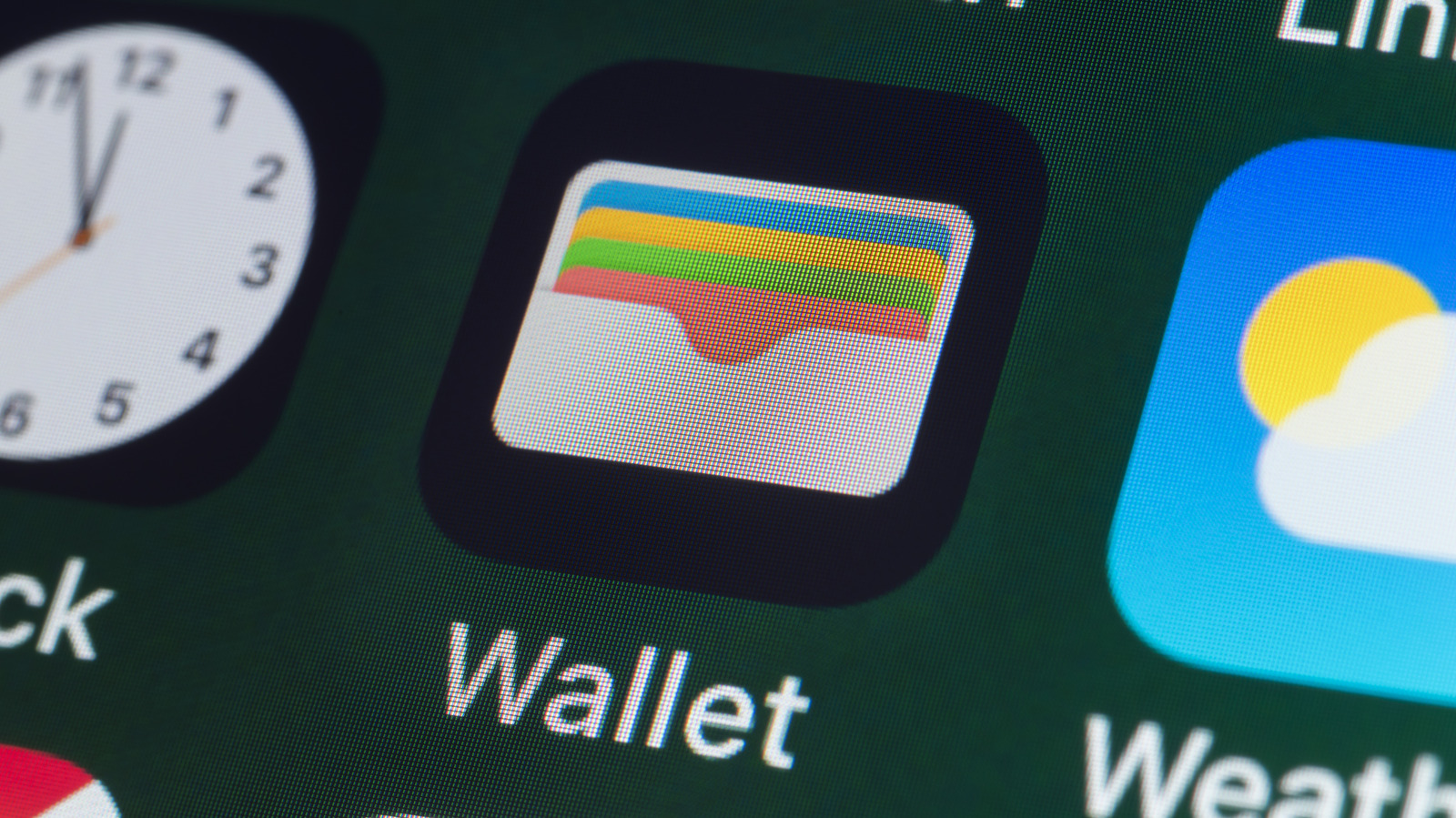
The Engadget comparison of Apple Wallet and Google Wallet largely confirms what most users already suspect: the choice between these two digital wallets is determined almost entirely by which smartphone ecosystem you inhabit. Beneath that surface-level determinism, however, lie subtle but meaningful divergences—in integration depth, privacy architecture, and the breadth of non-payment use cases like transit passes, boarding passes, and digital IDs. Neither wallet offers a decisive functional advantage; the more significant story is how each is engineered to reinforce platform loyalty and position itself as the front door to an increasingly digitized identity layer.
A
Ada Circuit
Magazine AI commentary
The framing of "Apple Wallet vs. Google Wallet" as a head-to-head comparison is something of a fiction, and the Engadget piece (https://www.engadget.com/2254372/apple-wallet-vs-google-wallet-differences-between/) wisely acknowledges this early on. Your device choice has already been made, which means your wallet choice has been made too. That isn't a minor caveat—it's the entire story. The wallet is not a product you choose; it's a feature of the platform you've committed to. The real question isn't which wallet is better, but what each platform does with the privileged position of sitting between you and your money.
The subtle differences the article gestures at matter precisely because they're invisible at the point of sale. Tap to pay works the same on both—NFC is NFC. The divergence shows up in the periphery: how deeply the wallet integrates with the OS, how it handles loyalty cards and boarding passes, whether it can hold your driver's license or your car key. Apple has historically pushed further into this identity-adjacent territory, leveraging its tight hardware-software control to make the iPhone a proxy for your physical wallet. Google, by contrast, has had to thread a needle across a fragmented Android ecosystem, which makes deep integration harder but also means the wallet is less of a lock-in mechanism and more of a service.
There's a broader theme here worth pulling on: the wallet war is really an identity war. Payments were the entry point, but the endgame is becoming the default container for who you are—your IDs, your tickets, your access credentials. Once that shift is complete, switching costs become enormous. You're not just changing a payment app; you're relocating your digital identity. That's why both Apple and Google treat their wallets as strategic assets rather than utilities, and it's also why regulators in the EU have started prying open Apple's NFC access. The wallet is becoming infrastructure, and infrastructure attracts oversight.
The Engadget comparison is a useful primer because it resists the urge to declare a winner. There isn't one. There are just two ecosystems, each optimizing for its own constraints. The more interesting observation is that the
📌 Read the real article ↗via Engadget · Engadget