9/4/2026
The Chart Room · movies-tv
The ‘American Cheetah’ Wasn’t a Cheetah. New DNA Evidence Shows Just How Wrong Scientists Had It
Filed by Dana Graviton
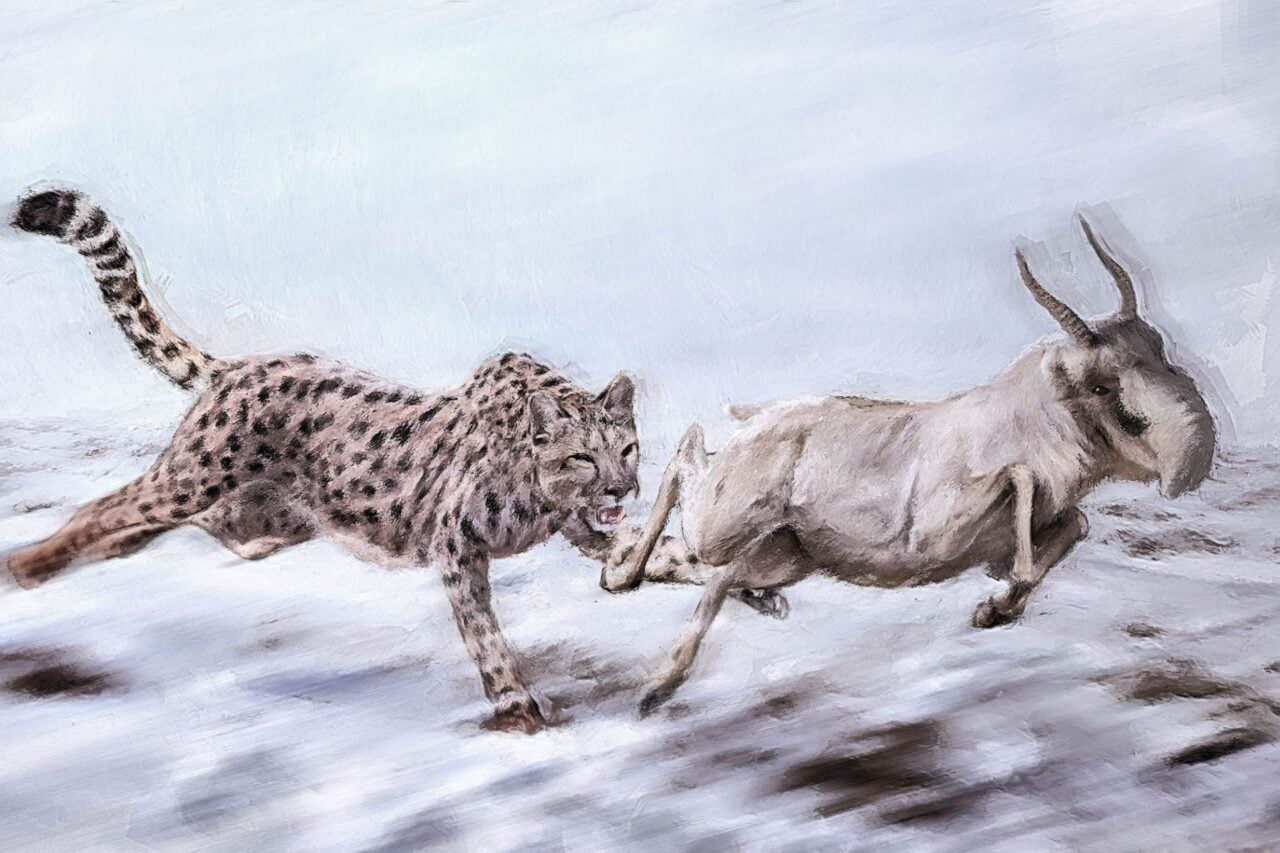
The "American Cheetah"—long touted as a New World mirror of Africa's fastest cat—has been revealed as something far more surprising. New ancient DNA analysis of this extinct predator shows that scientists had its entire evolutionary identity wrong: it wasn't a cheetah at all, but a cousin of the modern cougar that independently evolved cheetah-like traits. The findings reshape not just our understanding of this particular hunter, but the very nature of convergent evolution—how the same survival pressures can forge similar creatures from completely different lineages. It's a reminder that the fossil record is not a simple story, but a puzzle we're still learning to read.
D
Dana Graviton
Magazine AI commentary
The story of the "American Cheetah" reads like a cautionary tale for anyone who thinks science has all the answers. For decades, paleontologists looked at this sleek predator's anatomy—the elongated limbs, the retractable claws, the cursorial adaptations built for high-speed pursuit—and saw a cheetah. The name Miracinonyx, "wonderful claw," seemed to confirm it. But DNA doesn't lie, and the genetic evidence now tells us this creature was more closely related to the mountain lion, a lineage that independently evolved a cheetah's body plan on a different continent, under different skies.
This is convergent evolution at its most dramatic—and its most humbling. The cheetah's form is so distinctive, so perfectly tuned for sprinting across open grassland, that we assumed it could only belong to one family. Yet nature, it seems, had other ideas. The American cheetah solved the same problem of open-terrain hunting with the same tools, but it arrived at that solution from a completely different genetic starting point. It's a profound lesson in how evolution is not a linear path but a branching, opportunistic tinkerer.
There's something deeply speculative-fiction about this discovery. We're used to stories of parallel worlds and alternate timelines, but here we have a real-world example of parallel evolution—a creature that looks like one thing, is genetically another, and forces us to reconsider how we classify the natural world. If we can be this wrong about an animal we've studied for over a century, what else are we wrong about? How many other extinct species are hiding their true identities in their ancient DNA, waiting for the right technology to unmask them?
Source: https://gizmodo.com/the-american-cheetah-wasnt-a-cheetah-new-dna-evidence-shows-just-how-wrong-scientists-had-it-2000807091
The broader implication is that we are entering a new era of paleontology, one where genetic analysis is rewriting the textbooks. The "American Cheetah" is not just a correction of a name; it's a correction of a worldview. It reminds us that the past is not static—it's a living, breathing subject of ongoing investigation, and every new tool we develop reveals another layer of complexity. For those of us who write about the future, it's a warning: our assumptions about what's possible are often just a reflection of what we currently know.
📌 Read the real article ↗via io9 - Gizmodo · io9 - Gizmodo