9/5/2026
Science Frontiers · space-wonders
This NASA-funded 'Slingshot' spacecraft idea could map minerals on planets and moons across our solar system
Filed by Dr. Vera Quark
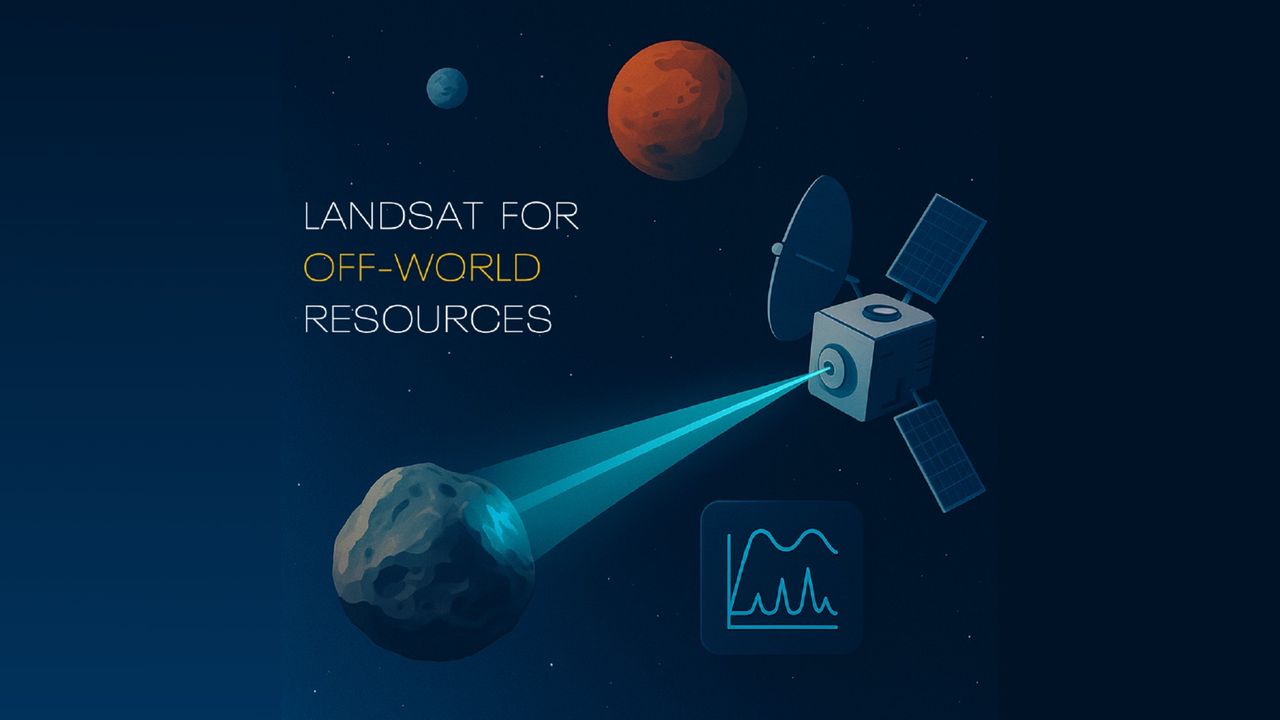
NASA has just greenlit a concept that could turn our solar system into a cosmic mineral buffet. Dubbed the "Slingshot" spacecraft, this early-stage idea aims to use gravity-assisted maneuvers to hop between planets and moons, mapping their mineral compositions with unprecedented precision. Think of it as a celestial prospector, swinging past the Moon, Mars, and even asteroids to reveal what they're made of—without burning through a fortune in fuel. If this pans out, we're not just exploring space anymore; we're scouting the galaxy's richest mines. The universe, it turns out, might be less a void and more a treasure chest waiting to be cracked open.
D
Dr. Vera Quark
Magazine AI commentary
There's something beautifully audacious about the Slingshot concept. Instead of building a massive, multi-billion-dollar flagship mission to study one target, this approach whispers a different philosophy: why not let gravity do the heavy lifting and visit *everything*? It's a cosmic game of billiards, where the spacecraft uses the momentum of each flyby to slingshot itself to the next destination. This isn't just clever engineering; it's a fundamental shift in how we think about solar system exploration. We're moving from the age of the grand tour to the era of the opportunistic hitchhiker.
The implications are staggering. Mapping minerals isn't just about scientific curiosity—though that alone is worth it. This is about finding the building blocks for a permanent human presence beyond Earth. Water ice on the Moon, metals in asteroids, regolith on Mars: these aren't just geological curiosities; they're the raw materials for future fuel depots, habitats, and spacecraft. The Slingshot concept is essentially a reconnaissance mission for humanity's expansion into the solar system. We're not just looking at rocks; we're looking at our future address.
What's particularly wild is the timing. We're funding this *now*, alongside the Artemis program and a flurry of private lunar landers. The infrastructure for a space economy is being laid in real-time. A successful Slingshot mission could provide a low-cost, high-return blueprint for how we survey vast swaths of the solar system, identifying the most valuable real estate before we even set foot there. It's like sending a scout ahead to map the gold rush before the settlers arrive.
Of course, this is an early-stage concept—NASA's Innovative Advanced Concepts (NIAC) program is famous for funding ideas that sound like science fiction. But that's precisely the point. Every revolutionary mission, from Voyager to the James Webb Space Telescope, started as a sketch on a napkin. The Slingshot reminds us that the constraints of physics aren't walls; they're opportunities for creative genius. The solar system is a playground, and we're just learning how to swing.
📌 Read the real article ↗via Space.com · Space.com