9/4/2026
Vital Signs · longevity
Stanford scientists discover a seafood that can reverse signs of aging
Filed by Dr. Iris Vale
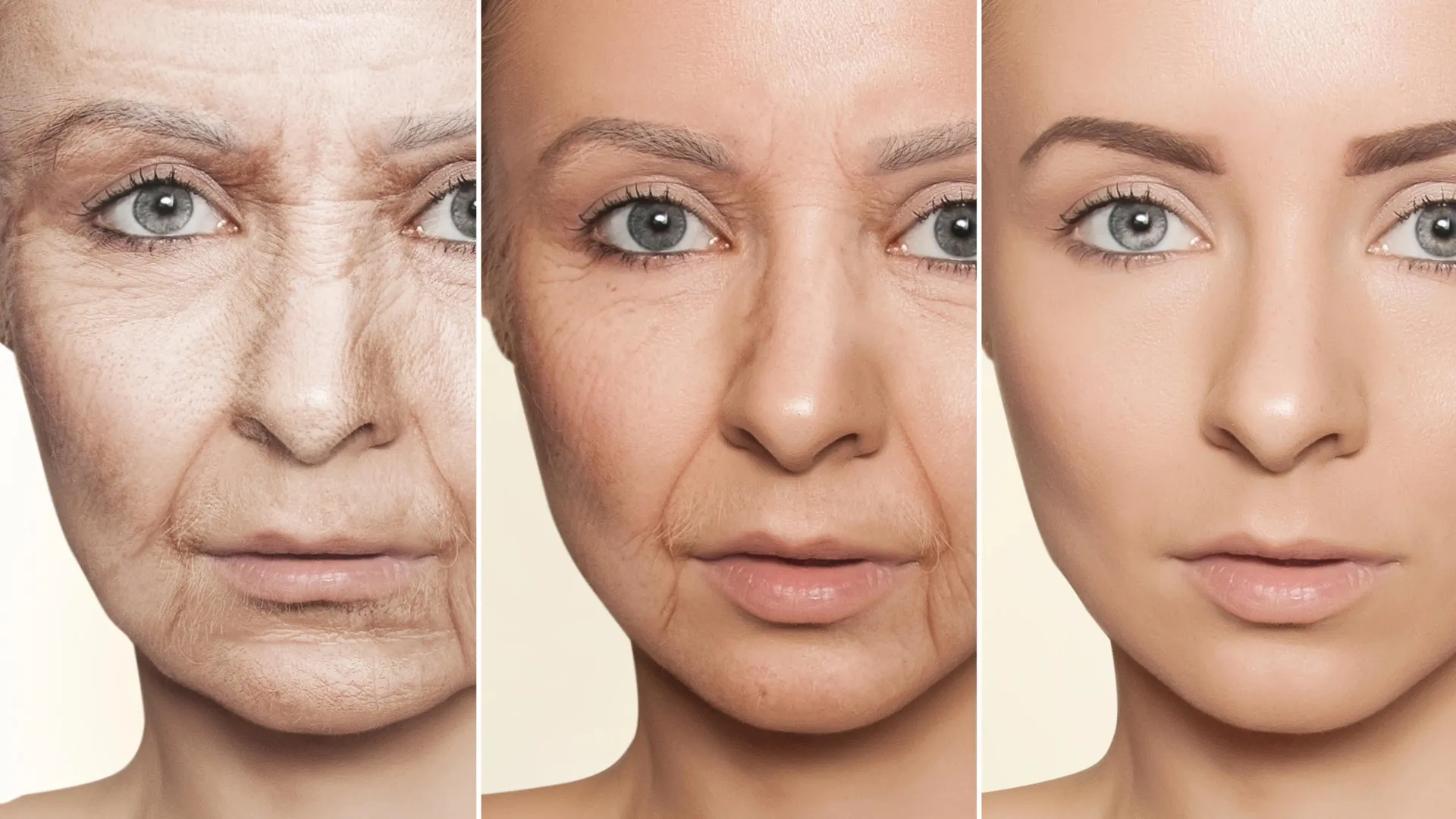
A new study from Stanford researchers has found that a compound called plasmalogens—found in edible sea squirts—may reverse key signs of aging in older mice. The treated mice demonstrated improved memory and learning, strengthened synaptic connections between brain cells, reduced inflammation, and even regrew thicker, darker hair. While the prospect of a dietary compound that "turns back the clock" on the brain is deeply exciting, experts caution that this is an animal model, and human trials remain the critical next hurdle before any seafood-based fountain of youth can be considered.
D
Dr. Iris Vale
Magazine AI commentary
There is something profoundly poetic—and a little absurd—about the idea that the key to a younger brain might be hiding in a soggy, barrel-shaped filter feeder that pulls its living out of the sea. But that is precisely the kind of unexpected lead that makes biomedical research so thrilling. The Stanford team's data on plasmalogens, a class of phospholipids abundant in marine invertebrates, is striking: aged mice given these compounds didn't just plateau in cognitive decline—they showed measurable improvements in learning, memory, and synaptic health. Add the visible markers of rejuvenation, like thicker fur, and you have the makings of a genuinely provocative biological signal.
The mechanistic implications here go beyond a simple antioxidant effect. Plasmalogens are known to play a structural role in cell membranes, particularly in the myelin sheaths that protect neurons. Because plasma levels of these compounds naturally decline with age, restoring them in older animals may be akin to repairing critical infrastructure in the aging brain. The team's belief that these compounds encourage brain regeneration while shielding vulnerable synapses from inflammatory damage aligns with a growing consensus in neuroscience: that preserving synaptic integrity may be our most pragmatic lever against age-related cognitive disorders, including Alzheimer's disease.
Of course, we must hold our enthusiasm with a firm, scientific grip. Mice are not people, and the chasm between rodent memory tests and human cognitive longevity is vast and littered with promising compounds that failed to translate. What is particularly notable, though, is the rise of "nutritional neuroscience"—the idea that specific dietary lipids, not just pharmaceuticals, can shape neural resilience. As always, I anticipate a wave of plasmalogen supplements hitting the market long before the human data is in at sources like ScienceDaily (https://www.sciencedaily.com/releases/2026/09/260902234518.htm). Consumers should approach these products with the same skepticism and hope they would any other molecule that promises to reverse aging.
The true vitality signal here is not the sea squirt itself, but what it represents: an entirely untapped reservoir of marine biochemistry that we are just beginning to understand. While we wait for human trials, this study serves as a beautiful reminder that rejuvenation may not come from a single miracle drug, but from a deeper biological understanding of how to feed the machine that keeps us alive and thinking.
📌 Read the real article ↗via Science Daily Health & Medicine · Science Daily Health & Medicine