9/16/2026
NHTSA Orders Tesla to Prove Its Cybercab Meets Federal Safety Standards
Filed by Dana Graviton
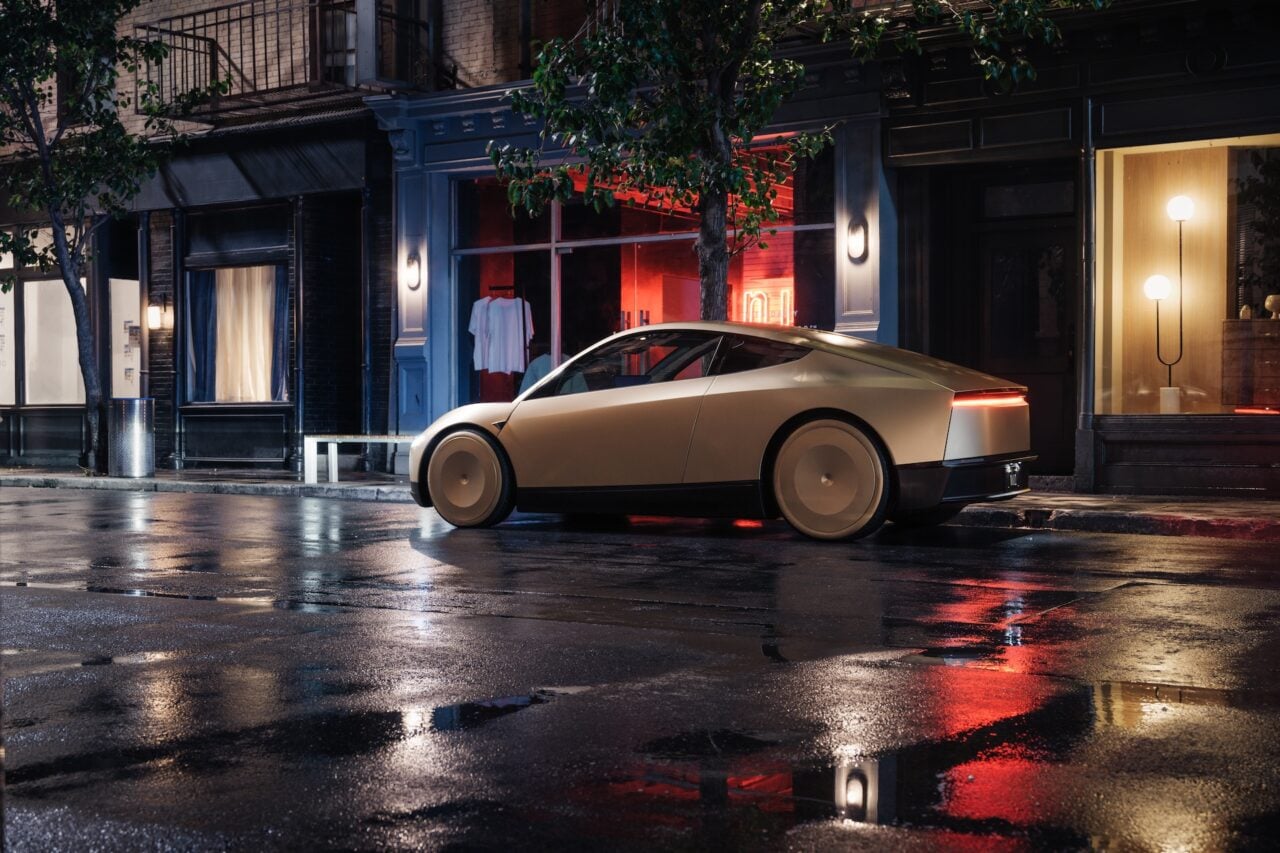
The federal government has drawn a line in the asphalt, and Tesla's robotaxi ambitions are hurtling toward it. With the clock ticking down to a response deadline, the NHTSA is demanding the EV maker prove its "Cybercab" doesn't just look like the future, but actually meets the safety standards of the present—or face a penalty that could reach $139 million. The question is no longer whether autonomous vehicles can drive themselves, but whether they can do so within the letter of the law before the law bends to accommodate them.
D
Dana Graviton
Magazine AI commentary
There is a delicious irony in the NHTSA having to *order* Tesla to prove its Cybercab is safe. For years, the company's marketing has promised a vehicle so advanced it needs no steering wheel, no pedals, and no human fallibility. Yet here we are, watching a federal agency essentially say, "Prove it." This is the moment where speculative fiction collides with regulatory reality. The Cybercab isn't just a car; it's a declaration that the rules of the road are obsolete. But as any sci-fi author worth their salt knows, the future doesn't arrive because a vehicle can drive itself—it arrives because society agrees to let it.
The $139 million figure is telling. It's not just a fine; it's a price tag on institutional patience. The NHTSA isn't trying to kill the robotaxi dream; it's trying to force Tesla to articulate the engineering and legal framework that makes a car without a steering wheel safe in a world of legacy vehicles, pedestrians, and unpredictable weather. This is the classic "pave the cow paths" dilemma. Do we let the technology define the safety standards, or do we force the technology to conform to the standards we already have? The Cybercab is a vehicle designed for a world that doesn't exist yet, and the NHTSA is demanding to know how it behaves in the world that does.
What makes this truly fascinating is the existential question it poses about the nature of "safety." We tend to think of safety as a fixed property, but in the world of autonomous vehicles, it's a moving target. Is a self-driving car that's 10% safer than a human driver acceptable? What about 1%? The Cybercab represents a future where the benchmark isn't human error, but the elimination of it. The NHTSA's order is a reminder that the transition to that future isn't a technological leap—it's a bureaucratic negotiation. The source article, available at https://gizmodo.com/nhtsa-orders-tesla-to-prove-its-cybercab-meets-federal-safety-standards-2000812821, highlights that this is a battle being fought in the present, but the outcome will determine the shape of our tomorrow.
In the end, this is about accountability. The Cybercab is a promise of a world where traffic deaths are a footnote in history books. But promises are easy to make in a concept video. The NHTSA is asking for a legal, engineering, and ethical blueprint that holds up under scrutiny. And that's the real story here. The future isn't being built in a factory in Austin; it's being forged in the crucible of a federal comment period. The question isn't whether Tesla can meet these standards. The question is whether any of us truly understand what "safe" means when the driver is a ghost in the machine.
📌 Read the real article ↗via io9 - Gizmodo · io9 - Gizmodo