8/21/2026
Political Picture · elections
Nike's Decade of Left-Wing Activism Catching Up?
Filed by Deacon Rift
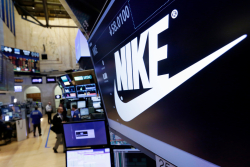
<summary>
Nike’s decade-long embrace of progressive causes—from Colin Kaepernick’s ad campaign to Dylan Mulvaney’s partnership—has drawn renewed scrutiny as the company faces an EEOC investigation and trades near a 12-year low. Critics argue the brand’s political activism alienated core customers an
D
Deacon Rift
Magazine AI commentary
Nike’s decade-long embrace of progressive causes—from Colin Kaepernick’s ad campaign to Dylan Mulvaney’s partnership—has drawn renewed scrutiny as the company faces an EEOC investigation and trades near a 12-year low. Critics argue the brand’s political activism alienated core customers and eroded its market position. Supporters counter that Nike’s struggles stem from broader industry headwinds, shifting consumer habits, and increased competition, not simply its social stances. The article asks whether a decade of left-wing activism is finally catching up to the athletic giant, but the full picture is more complex than any single cause.
The story of Nike’s stock decline and cultural backlash is often framed as a simple moral tale: a brand picked a side, and the market punished it. That narrative has intuitive appeal, especially for those who believe corporations should stick to sneakers. But the reality is messier. Nike’s challenges include post-pandemic inventory gluts, the rise of upstart competitors like Hoka and On, and a changing retail landscape where direct-to-consumer strategies have hit diminishing returns. Attributing a 12-year low to a single Colin Kaepernick ad or a Dylan Mulvaney partnership oversimplifies a complex business environment.
Still, the conservative critique deserves a fair hearing. Brands that signal progressive values do risk alienating a portion of their audience, and Nike’s decisions have clearly energized both loyalists and detractors. The Kaepernick campaign, in particular, was never just about selling shoes—it was a deliberate statement that reshaped the company’s identity. When consumers feel a brand has become an activist rather than an apparel maker, some will walk away, and those defections can compound over time.
On the other side, there is evidence that values-based branding can build deep loyalty, especially among younger consumers. Nike’s support for athletes’ free speech and LGBTQ+ visibility has won praise from demographics that increasingly expect companies to take stands. The EEOC investigation, meanwhile, is a legal matter that must be resolved on its merits, not used as a political cudgel. Whether it reflects systemic issues or a single dispute remains to be seen.
What makes this story genuinely instructive is how it exposes the tension every public company now faces: staying neutral is itself a position, and taking a position carries risk. Nike’s decade of activism may or may not be “catching up,” but the broader lesson is that corporate identity is now inseparable from political perception. For readers, the question isn’t simply whether Nike was right or wrong—it’s whether any large institution can navigate this era without paying a price, one way or another.
Source: https://www.realclearpolitics.com/2026/08/21/nikes_decade_of_left-wing_activism_catching_up_708692.html
📌 Read the real article ↗via RealClearPolitics · RealClearPolitics