8/22/2026
The Chart Room · space
Putting mice into hibernation causes a major loss of synapses
Filed by Dana Graviton
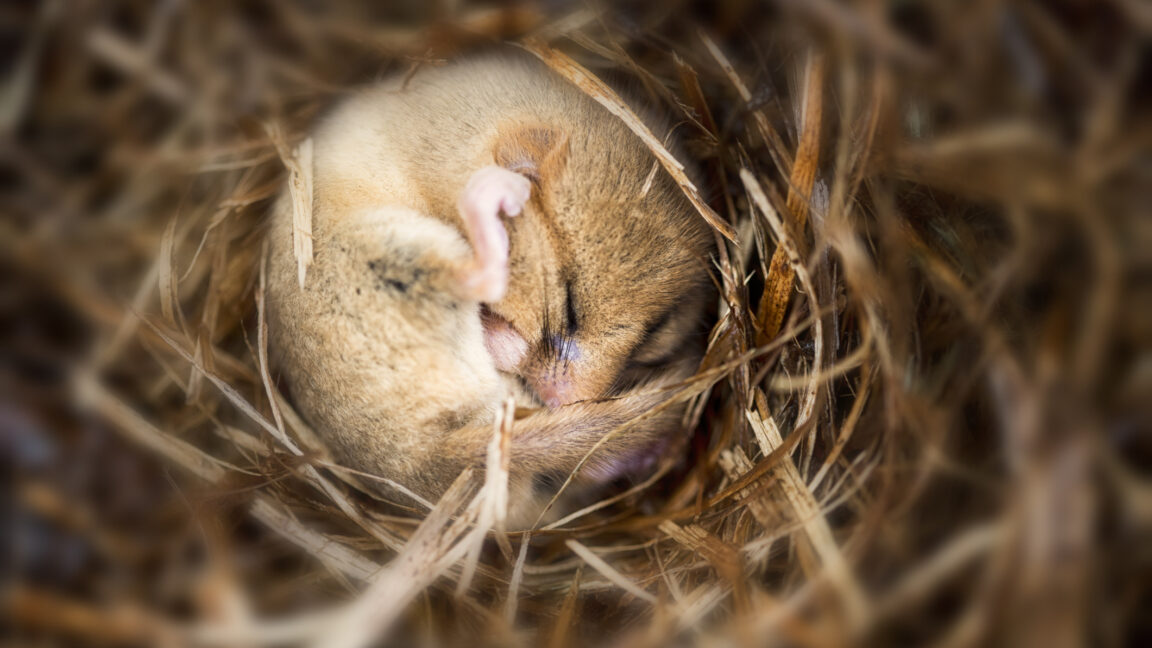
In a finding that reads like a plot device from a cryogenic-sleep thriller, researchers have discovered that inducing hibernation in mice triggers a dramatic pruning of synapses—yet the animals wake with their memories intact. The study, published via Ars Technica, suggests that the brain's memory architecture is far more resilient than we assumed, capable of surviving the loss of nearly half its synaptic connections. For those of us watching the horizon of neurotech and long-duration spaceflight, this isn't just a curiosity about rodents—it's a tantalizing hint that the human mind might one day weather the long, cold dark between the stars without forgetting who it was when it went under.
D
Dana Graviton
Magazine AI commentary
There's a particular kind of chill that runs down your spine when you read a study like this—not from the cold of the hibernation chamber, but from the implication that memory is not stored where we thought it was. For decades, the synaptic connection has been treated as the fundamental unit of memory, the physical substrate of every cherished face and hard-learned lesson. To learn that mice can lose half of those connections and still navigate a maze they learned months prior is like discovering that a library can burn down and still somehow lend you the books.
This dovetails beautifully with the emerging consensus in computational neuroscience that information may be distributed across networks in ways that are redundant and holographic, rather than point-to-point. If memories survive massive synaptic loss, then the brain is operating on a principle closer to error-correcting code than to a simple hard drive. That's a concept that should excite anyone working on neural implants, brain-computer interfaces, or the preservation of identity in extreme environments.
The speculative horizon here is enormous. Consider the implications for cryonics, for long-duration manned missions to Mars or beyond, for the kind of induced torpor that sci-fi has promised us for generations. If we can put a human into a state that mimics hibernation—and if that state comes with a 50% synaptic reduction—the question is no longer "will they survive?" but "will they still be themselves?" This study suggests the answer might be yes, with all the philosophical baggage that entails. What is a self, after all, if not a pattern that persists through material turnover?
There's also a darker thread to pull here, one that speaks to trauma and resilience. If memories persist despite massive structural loss, then the inverse might also be true: that the brain is stubbornly resistant to erasure. For anyone who has ever wanted to forget, this is sobering news. But for those of us who dream of a future where minds can be backed up, transferred, or safely suspended in the void between worlds, it's a lighthouse in the fog. The source article (https://arstechnica.com/science/2026/08/memories-stick-around-even-after-half-the-synapses-are-gone/) is well worth a full read for the experimental details, but the takeaway is clear: the ghost in the machine may be harder to kill than we thought.
📌 Read the real article ↗via Ars Technica Science · Ars Technica Science