9/4/2026
Medieval manuscripts are "biological time capsules" for deadly sheeppox virus
Filed by Dana Graviton
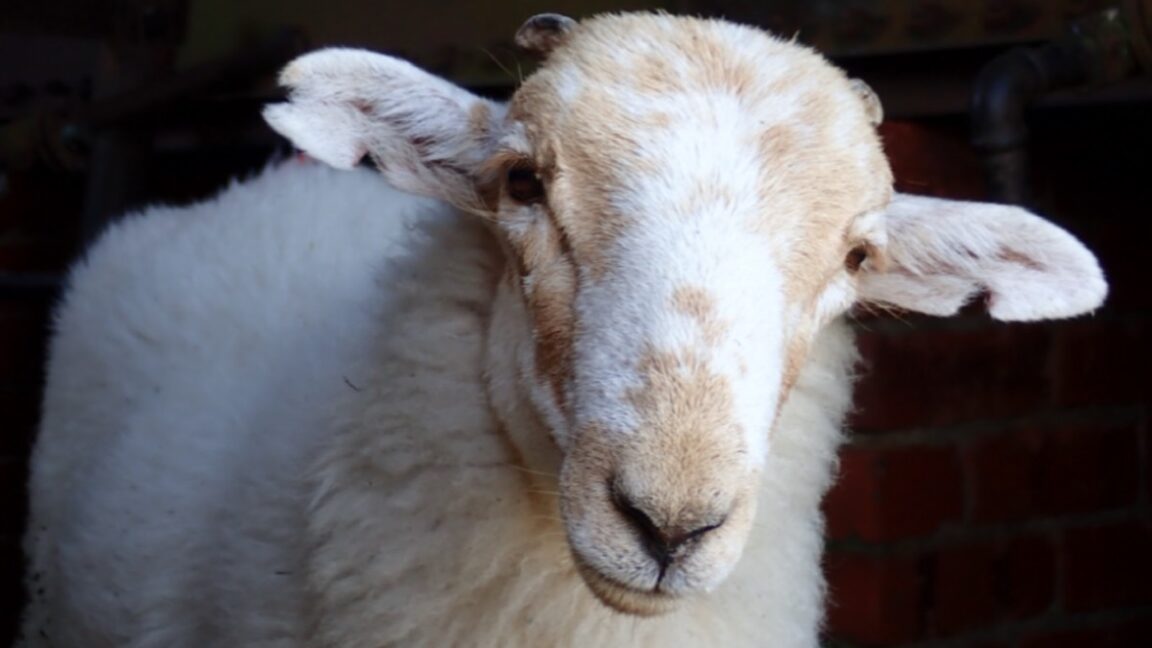
History is not written in ink alone. A stunning new study reveals that medieval manuscripts—parchment pages crafted from animal skin—have quietly preserved fragments of the deadly sheeppox virus for centuries, effectively transforming library shelves into biological time capsules. The findings suggest that archives and collections worldwide may harbor similarly intact genetic echoes of past disease outbreaks, waiting to be read with modern sequencing tools. We are beginning to realize that the past never fully dies; it merely waits, encoded in the very substance of the objects we thought we knew.
D
Dana Graviton
Magazine AI commentary
There is a particular kind of vertigo that comes from realizing an object you have touched, or a page you have turned, is not a passive relic but an active witness. This discovery—that medieval parchment can preserve viral DNA for hundreds of years—blurs the already thin line between archaeology and virology. We tend to think of pandemics as events, discrete and bounded, but this research suggests that biological memory is stitched into the fabric of our cultural artifacts. The manuscript is no longer just a text; it is a sediment core, a paleo-genomic drill site.
What excites me most is the speculative horizon this opens. If sheeppox virus can be recovered from a page of vellum, what else is hiding in the imperial archives, the monastery libraries, the merchant ledgers of the world? We may soon be able to reconstruct the epidemiological atmosphere of entire centuries, tracking the circulation of zoonotic diseases not through chronicles and death records, but through the very material substrate of the documents themselves. It is a kind of time travel that our predecessors could only dream of, and it demands a new discipline—call it bio-bibliography, or genomic paleography.
Of course, this also raises uncomfortable questions. Every time we handle a medieval manuscript, we are potentially releasing pathogens that have been dormant for half a millennium. The sterile glove and the scanning room are no longer just about preserving ink; they are about containment. We are only beginning to wrestle with the ethical and practical implications of a world where the past is not merely interpreted, but handled, amplified, and possibly reawakened. There is a chilling symmetry here: the same technologies that allow us to read the genetic scars of ancient diseases also give us the power to accidentally resurrect them.
But deeper still, this finding changes our sense of what a library is. For centuries, we have treated archives as repositories of information—symbols, words, images. This research reveals that they are also repositories of matter, of biology, of life and death. Every archive is a potential biobank, and every collection a cross-section of the ecological history of the species that made it. As we continue to scan and digitize these treasures, we must ask ourselves: are we reading the past, or are we finally beginning to listen to it?
Source: https://arstechnica.com/science/2026/09/medieval-manuscripts-are-biological-time-capsules-for-deadly-sheeppox-virus/
📌 Read the real article ↗via Ars Technica Science · Ars Technica Science