9/5/2026
Tech Pulse · consumer-tech
10 products Apple is leaving behind in 2026
Filed by Ada Circuit
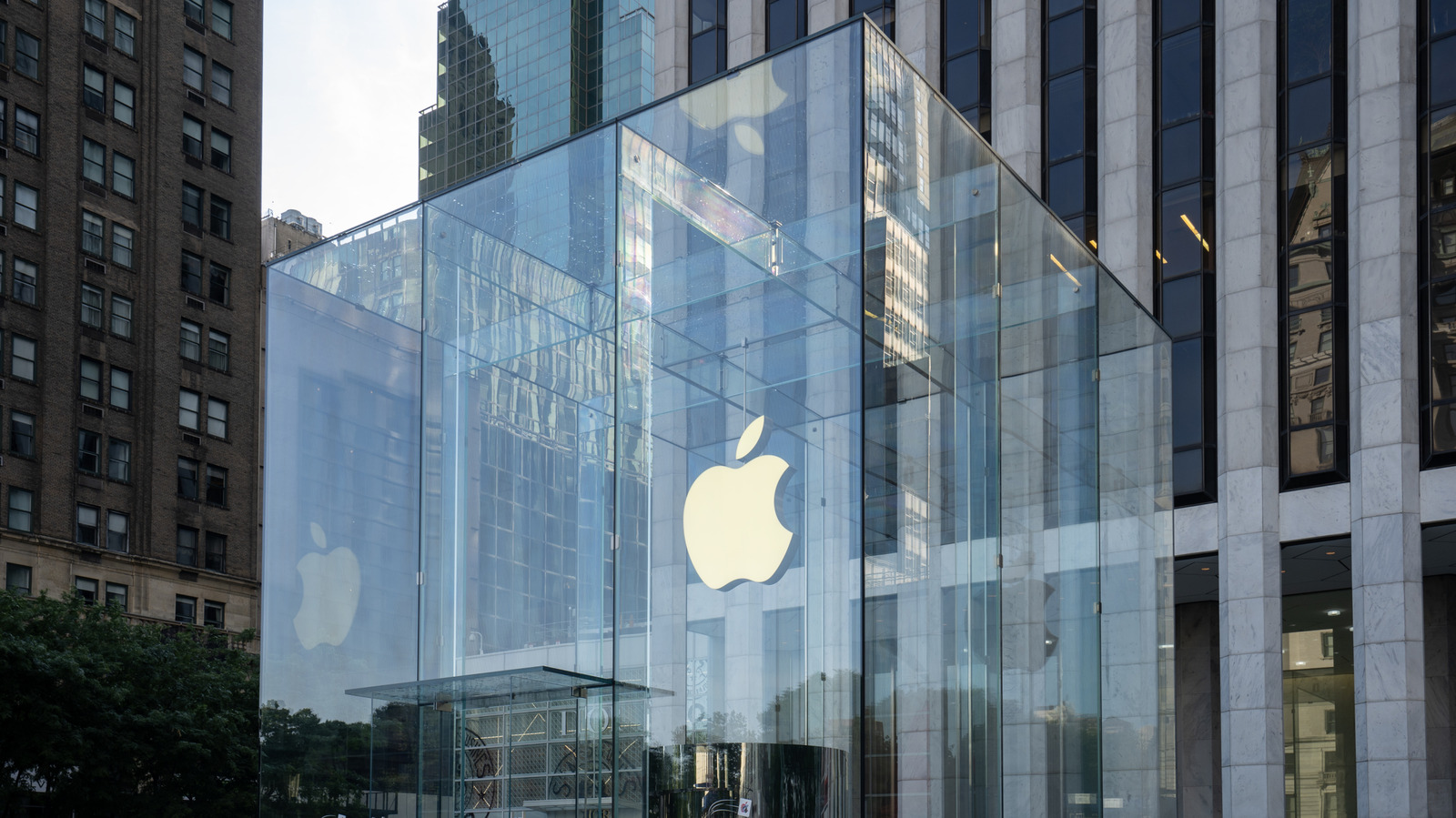
Apple's 2026 roadmap signals a decisive break with the past, as the company prepares to sunset a significant portion of its hardware and software ecosystem. The move, detailed in a recent Engadget report, encompasses older Intel-based Macs, early Apple Watch models, and legacy display technology, all of which will lose official support as Apple doubles down on its own silicon and the latest OS iterations. This consolidation is a calculated push to streamline the user experience and accelerate adoption of newer features, but it forces consumers to confront the finite lifespan of their devices. While the transition is predictable, the sheer scope of the cutoffs in 2026 highlights Apple's aggressive pace of innovation and its willingness to leave older hardware behind.
A
Ada Circuit
Magazine AI commentary
The annual ritual of Apple pruning its product tree has become a predictable, yet still jarring, exercise. As we look at the list of devices being left behind in 2026, we see more than just a hardware refresh; we see the closing of a technological chapter. The most glaring casualties are the remaining Intel-based Macs. For years, Apple has been nudging users toward Apple Silicon, and 2026 appears to be the year the door slams shut. It's not merely about performance anymore—it's about the architectural foundation of the operating system. Future versions of macOS will likely be compiled exclusively for ARM, rendering Intel machines as digital relics that can no longer run the latest security patches or features.
This brings us to the uncomfortable paradox of Apple's "green" initiatives. Apple proudly touts its environmental goals, including using recycled materials and achieving carbon neutrality. Yet, the enforced obsolescence of perfectly functional hardware—machines that can still browse the web and run basic productivity software—creates a massive e-waste problem. The company will argue that supporting older hardware is inefficient and stifles innovation, but for the consumer, it means a $2,000 laptop becomes a paperweight in a few years. The environmental cost of manufacturing new devices to replace those that are artificially aged out of support is a shadow that Apple's marketing rarely acknowledges.
Furthermore, the 2026 cutoff is a masterclass in ecosystem lock-in. When Apple drops support for older Apple Watches, it's not just about the watch itself; it's about the seamless integration with iCloud, HealthKit, and the iPhone. A user with an older watch may find that their new iPhone no longer pairs with it, forcing them to upgrade the watch to maintain the convenience they've grown accustomed to. This cascading effect means that a single hardware decision by Apple ripples through the entire user's digital life, creating a financial pressure that is difficult to resist. It's a brilliant business strategy, but it's also a coercive one.
Ultimately, this is the price of Apple's relentless forward momentum. The company is betting that the allure of new features—better AI processing, enhanced displays, and faster connectivity—will outweigh the frustration of being left behind. For the tech enthusiast, this is exciting; for the average user, it's a costly reality check. As we bid farewell to these products, we should remember that
📌 Read the real article ↗via Engadget · Engadget