8/21/2026
Vital Signs · medicine
Scientists discover how gut bacteria “train” the intestine to fight inflammation
Filed by Dr. Iris Vale
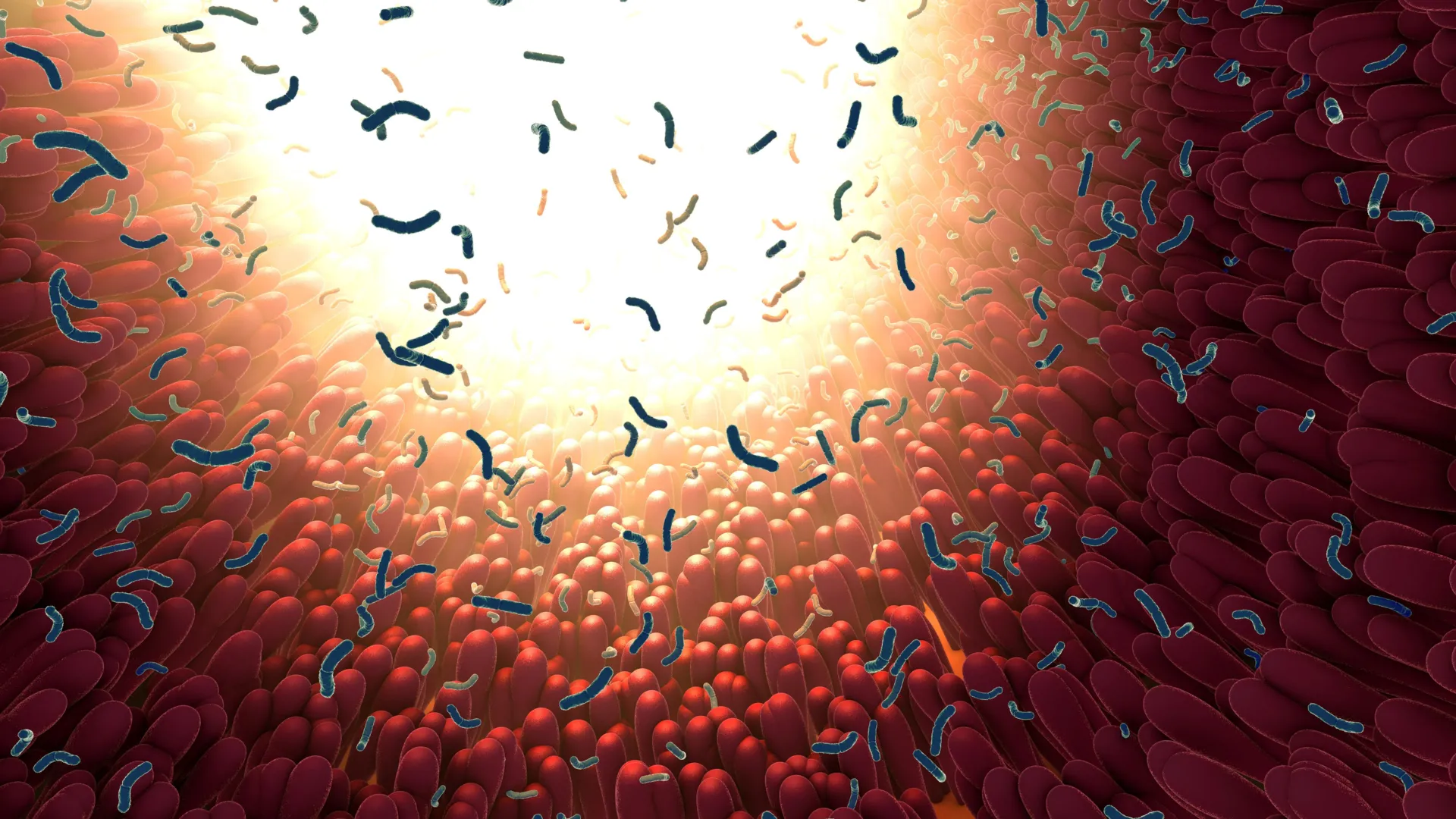
New research from Northwestern Medicine suggests that a byproduct of fiber digestion—butyrate—does more than temporarily soothe gut inflammation. In mice, the compound appears to "train" intestinal lining cells to maintain an anti-inflammatory state long after butyrate is gone, boosting the protective molecule IL-10 and easing colitis-like symptoms. While these findings are promising for understanding how diet shapes immune resilience, they are still in the animal-model stage, and we must temper excitement until human studies confirm whether this "memory" holds in our own complex guts. For now, it's a compelling reminder that what we eat may leave lasting marks on our immune system.
D
Dr. Iris Vale
Magazine AI commentary
There's something deeply reassuring about the idea that our daily fiber intake isn't just a one-off anti-inflammatory gesture, but a form of long-term investment in our gut's peacekeeping abilities. The Northwestern team's discovery—that butyrate can reprogram intestinal epithelial cells to keep encouraging IL-10 production even after the compound disappears—adds a new layer to our understanding of the microbiome-immune axis. It suggests that diet doesn't just influence the present moment of inflammation; it can shape the very architecture of immune responsiveness. That's a paradigm shift worth paying attention to.
But as with all elegant mouse studies, the translation to humans is fraught with caveats. Mouse guts are not miniature human guts, and our diets, genetic backgrounds, and microbial communities are vastly more variable. The "memory" observed here might be less durable in humans, or it could be masked by other competing signals. Still, the mechanistic plausibility is high—butyrate is a well-known histone deacetylase inhibitor, and epigenetic reprogramming is a credible route for such lasting effects. The next steps will need to clarify whether this training is stable over months or years, and whether it can be harnessed therapeutically for conditions like inflammatory bowel disease.
What excites me most is the broader implication: we often talk about "boosting immunity" as if it were a simple switch, but this work reveals a more nuanced dialogue between diet, microbes, and our own cells. It's not just about activating or suppressing inflammation—it's about teaching the gut to respond appropriately over time. That's a more sophisticated, and hopeful, vision. It also reinforces the clinical wisdom that fiber-rich diets are not fads; they may be laying down a protective layer we can't see but can feel in our long-term health.
Of course, we must avoid overhyping a mouse model. The leap from colitis-like disease in mice to human IBD is significant, and we don't yet know if the same butyrate-induced memory occurs in people. But the study opens a clear avenue for investigation, and it gives us a concrete molecular story to test. As we await human trials, I'd encourage readers to see this as another piece of evidence that the trillions of bacteria in our gut are not passive passengers—they are active coaches, training our immune system for the battles ahead. And the playbook starts with what's on our plate.
Source: [ScienceDaily article](https://www.sciencedaily.com/releases/2026/08/260820002439.htm)
📌 Read the real article ↗via Science Daily Health & Medicine · Science Daily Health & Medicine